

Your EV questions, answered by CAA experts
1 Minute Read
Have questions about electric vehicles (EVs)? CAA’s car experts are here to answer your questions about EV charging and more.
''Is there a charge for charging an EV? Also, is the actual process of charging an EV at one of these charging stations a simple exercise? '' —Min Raber
There are more than 1700 publicly available charging stations in Ontario. Many of them are free to use while parking and visiting businesses like grocery stores or shopping malls. However, there are stations that charge a fee to use.
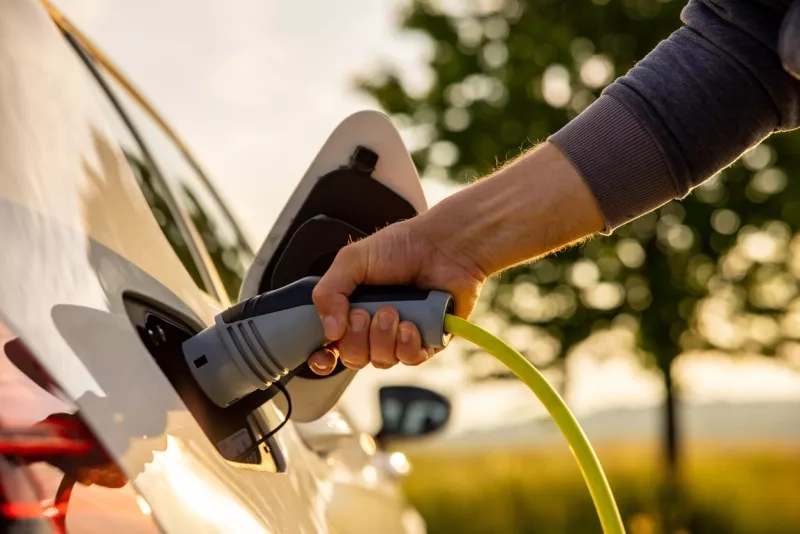
A Level 2 pay-per-use stations generally average about $1.00 per hour or $2.50 per charge. Most Level 3 stations are pay-per-use and bill per minute, with an average cost of $15 per hour, as they can generally charge a vehicle's battery from 0 to 80% in 30-45 minutes. For most EVs, Level 2 and Level 3 chargers are standard across makes and models, and charging them is fairly straightforward.
”I realize that the EV market is fairly new, but I am looking at purchasing an EV in the next two years. Living in Ontario, how do the winters affect the EV battery? Do you see corrosion with salted roads in the winter? Also, does the temperature affect the car's operation? I grew up in a cold climate where I needed to plug my car in at night to keep the engine warm—is this the case with EVs as well? Do they freeze up?” —Helen Hutteri
Apart from the drivetrain, an EV generally operates the same way as other vehicles on the road. When operating an EV in cold weather, it can instantly lose approximately 12% of its battery range. This can increase to 40% when using vehicle features such as cabin heaters, seat heaters, defrosters and other accessories that combat the cold weather. Keeping the vehicle charged when not in use is key to reducing range anxiety during the cold winter months.

