

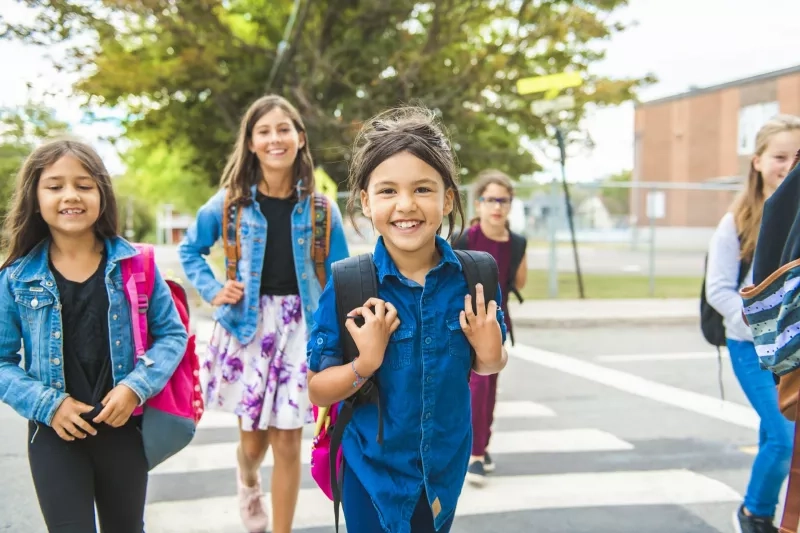
6 Tips to keep students safe on their way to school
3 Minute Read
Walking or cycling to school is a great way for kids to build independence, stay active and enjoy a bit of fresh air before the day begins. For many families, it’s part of the everyday routine.
But getting to school safely isn’t something to take for granted. Busy roads, changing weather and distracted driving can all make a familiar route feel unpredictable. A few simple habits can go a long way in helping children feel more confident and giving parents peace of mind.
Start with a plan
Before children begin travelling on their own, take time to run the route together. A few practice walks or bike rides can help them understand what to expect and where they need to pay closer attention.
As you go, point out crosswalks, stop signs and landmarks they can rely on. Practise stopping at intersections, looking in all directions and making eye contact with drivers before crossing. These small moments help build awareness and confidence over time.
Every child is different. While many experts suggest children under 10 may not yet have the skills to travel alone, it is important to consider your child’s maturity, comfort level and familiarity with the route.
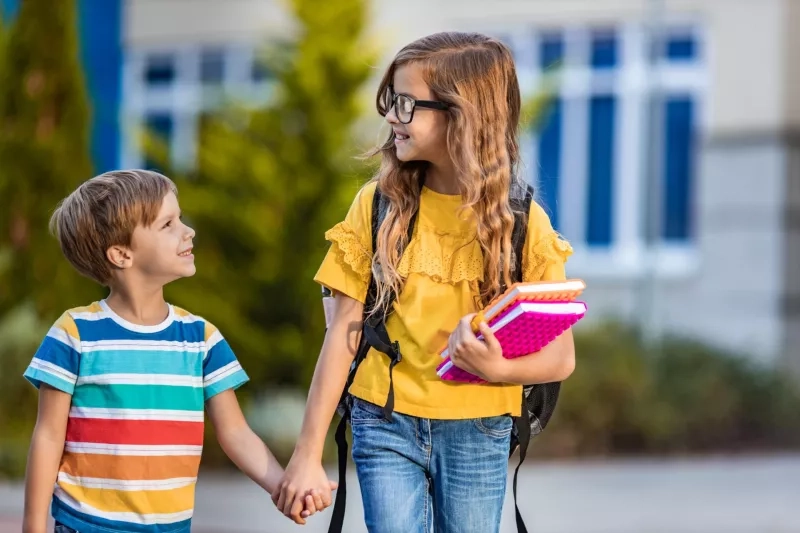
For younger students, walking with a sibling, friend or neighbour can make the trip feel more comfortable and help them stay focused along the way.
Keep distractions to a minimum
A safe trip to school starts with paying attention. Phones, headphones and other devices can make it harder for kids to hear what is happening around them or react quickly when something changes.
Encourage children to put their phones in their backpacks and leave them there until they arrive. That one habit can help them stay aware of traffic, signals and everything else happening around them.
Build strong everyday habits
Habits practiced often become second nature—especially for children. Encourage children to follow the same safety routines every day so these behaviours become automatic as they travel to and from school.
Remind them to always cross at marked intersections and to wait until all vehicles have stopped before stepping onto the road. Staying alert while crossing, rather than hurrying, helps them make safer decisions.
For bus riders, review what safe behaviour looks like: waiting well back from the curb, staying visible to the driver, and listening carefully to instructions while boarding or exiting. Remind them to check for traffic before crossing after getting off the bus.
Help them be seen and protected
Support from school and community
Keeping kids safe on the way to school is a shared effort that involves families, schools, and the community. Programs like the CAA School Safety Patrol, common in many school zones, provide valuable support. Student volunteers in bright vests help younger children stay alert and make safe choices before and after school.
These patrollers serve as role models, demonstrating safe behaviour and encouraging good habits, such as waiting for vehicles to stop and crossing at the appropriate time. While they do not direct traffic, they contribute to a safer, more predictable environment. Patrollers receive training, are supported by schools, and are always supervised by adults during their duties.
Participating in these programs also gives students a chance to build confidence, develop responsibility, and strengthen leadership skills that benefit them beyond the school day.
Talk about safety regularly
Road safety builds over time, and regular conversations help keep those habits in place. Checking in on the route, asking what your child has noticed and talking through different situations can make each trip feel more familiar.
It can also help to keep things simple. Travelling with a buddy, sticking to a regular route and knowing where to go along the way can make kids feel more confident. Whether they walk, bike or take the bus, having a routine makes it easier to stay focused and aware.
It is also worth having a plan. If something does not feel right or plans change, children should know where to go and who to contact. A nearby store, a trusted neighbour, or the school itself is a good option. Even a quick conversation at the end of the day can help reinforce safe habits, one trip at a time.

