

How Ottawa Humane Society helps at both ends of the leash
7 Minute Read
Summary
- The Ottawa Humane Society is shifting toward prevention, helping pet owners keep animals at home through food assistance, education, and wellness clinics.
- A community veterinary clinic planned for 2028 will expand affordable care and reduce cat homelessness through subsidized sterilization.
- The organization’s approach keeps pets and people together, addressing financial strain and promoting responsible ownership.
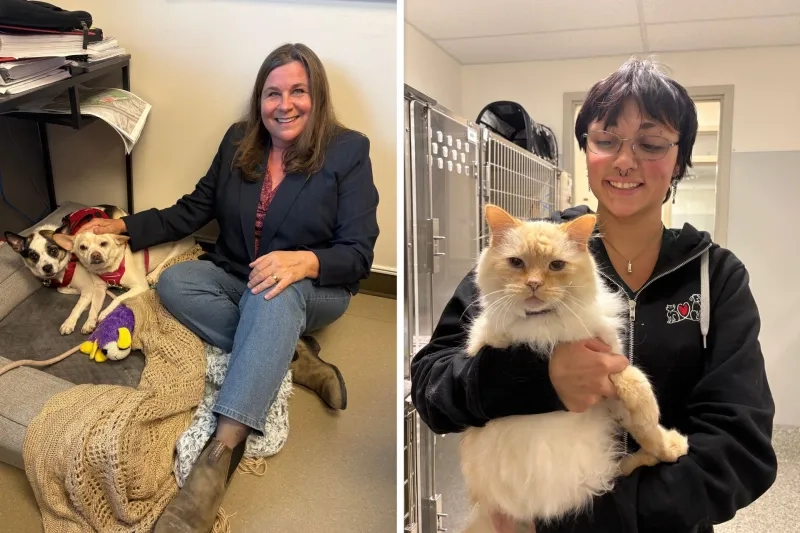
A pair of small dogs have quietly claimed the best spot in Sharon Miko's office.
While the president and CEO of the Ottawa Humane Society (OHS) talks about the future of animal welfare, Vash and Beige are curled together in the corner under her desk, seemingly unbothered by the conversation around them.
The bonded pair are looking for a home together, but finding the right match has been difficult. Until then, Miko has welcomed them into her office, where they spend their days alongside her.
"Shelter life can be stressful for some animals," she says. "Vash and Beige are available for adoption, but they're finding it very stressful being alone in their kennels."
Their story is one of many unfolding at the OHS, where staff see every day how deeply people love their pets and how difficult it has become for some families to afford their care.
"We know a lot of owners are struggling in this economy, and they love their animals," Miko says. "There is no bond like the human-animal bond."
That bond is at the centre of how the OHS is evolving. While humane societies have traditionally focused on caring for animals after they arrive at a shelter, the OHS is increasingly focused on preventing families from reaching that point in the first place.
Through food assistance, education programs, wellness clinics and a planned community veterinary clinic, the organization is working to support both pets and their owners before a temporary hardship becomes a permanent separation.
Miko describes the goal as helping "at both ends of the leash."
How does the Ottawa Humane Society help families keep their pets?
For the Ottawa Humane Society, helping animals doesn't start when they arrive at the shelter. Increasingly, it begins much earlier by giving pet owners the support they need to keep their animals at home.
Every day, the OHS sees the consequences when that support isn't available. About four pets are surrendered daily by owners who can no longer afford their care, Miko explained.
"These individuals are making a really difficult decision to surrender an animal because they love the animal, but they don't have any other option," she says.
One example is the strain of rising pet food costs. For many owners, the first line of support is the OHS's pet food bank, which now distributes about 900 kilograms of food each month, according to Miko. This support is intended for people who are already caring for their pets and simply need some extra help to keep doing so.
Access to veterinary care can also be a major hurdle. To help bridge that gap, the OHS runs wellness clinics for owners who might otherwise be unable to afford care for their pets.
“If they are able to get care for that animal while it's well or before an issue becomes serious, it may make the difference between them having to relinquish the pet at a later date and being able to keep it,” she adds.
Rather than waiting until a pet enters the shelter system, staff are focused on addressing the challenges that put the human-animal bond at risk in the first place.
What will the new veterinary clinic do?
The food bank and wellness clinic help many families get by, but some owners need more than a bag of food or a checkup.
That is where the OHS's next project comes in. The Ottawa Humane Society is launching a non-profit community veterinary clinic in a former post office building in Vanier, with construction expected to begin in early 2027 and doors opening in 2028.
Alongside lower-cost spays and neuter procedures, it will provide services such as dental care, urgent medical treatment, and a centralized pet food bank.
"The community veterinary clinic is going to help thousands of pet owners at risk every year," Miko notes. "Pet owners who might otherwise have to give up their pet will have somewhere to turn for support, helping them care for their animals and keep them at home. "
But keeping a pet at home takes a lot more than affordable care. It also means helping people understand the needs of the animals they bring into their homes.
Teaching the next generation of pet owners
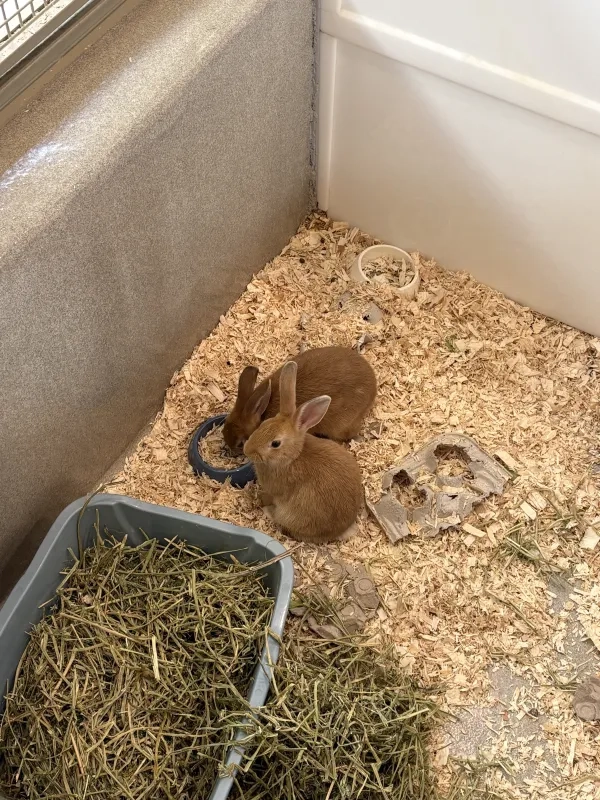
Much of the OHS's work happens far from the kennels, often in classrooms, community spaces and even at paint nights.
Miko emphasizes that “the youth today are the pet owners tomorrow.” Through the youth foster program, kids can take rabbits into their homes and learn what caring for one really involves.
The experience might inspire a future rabbit owner, but Miko says it can also help young people decide whether they're truly ready for the responsibility of having a pet.
Other young volunteers have built winter shelter boxes for Ottawa's feral cats, learning about local animal welfare issues as they work. The Society also runs PD Day programs and summer camps that teach kids about responsible pet ownership.
For people new to Canada, OHS partners with local organization that work with newcomers, offering sessions shaped around what families most want to know.
Often, that starts with the wildlife next door. "They want to know, well, I've got a squirrel getting into my green bin. What do I do?" Miko explains.
The organization also hosts paint nights where owners can paint a portrait of their pet while staff teach them to read animal body language.
"We're seeing an increase in concerns about behaviour in dogs in our community, and we want to help people better understand those behaviours so that they know how to work with their pets to avoid challenges that may lead to relinquishment down the road," she says.
Why are so many cats living outside in Ottawa?
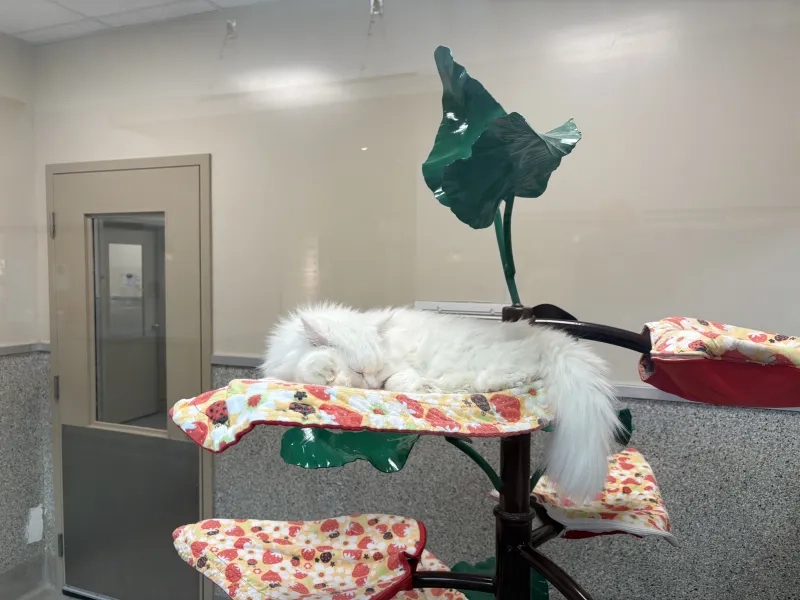
Most people don't realize how many cats are living unseen across Ottawa.
Of every 100 stray cats brought to the Ottawa Humane Society, only about nine are reunited with their owners, says Miko. Many owners never think about checking with the Society, while others stop searching before their cat is found. Even an indoor cat can slip through an open door and disappear.
But the larger challenge lies beyond the cats that make it through the shelter's doors.
"We see the tip of the iceberg here, but we know that there are probably thousands of stray and feral cats outside in our community right now," Miko says. "This is not a climate for cats to be living outside in the winter."
That problem can grow quickly. An unsterilized house cat that gets outside may have kittens, and those kittens can grow up feral without human socialization. Because feral cats are highly elusive, most residents rarely see them, creating the impression that the issue is smaller than it is.
That's where the OHS's planned community veterinary clinic comes in. Along with helping pet owners access affordable care, the clinic will offer subsidized sterilization services designed to reduce the number of cats reproducing outdoors.
"Our mission and goal is to see that we will end cat homelessness, but we can only do that if there are fewer cats in our community reproducing," she says.
Who helps make the Ottawa Humane Society possible?
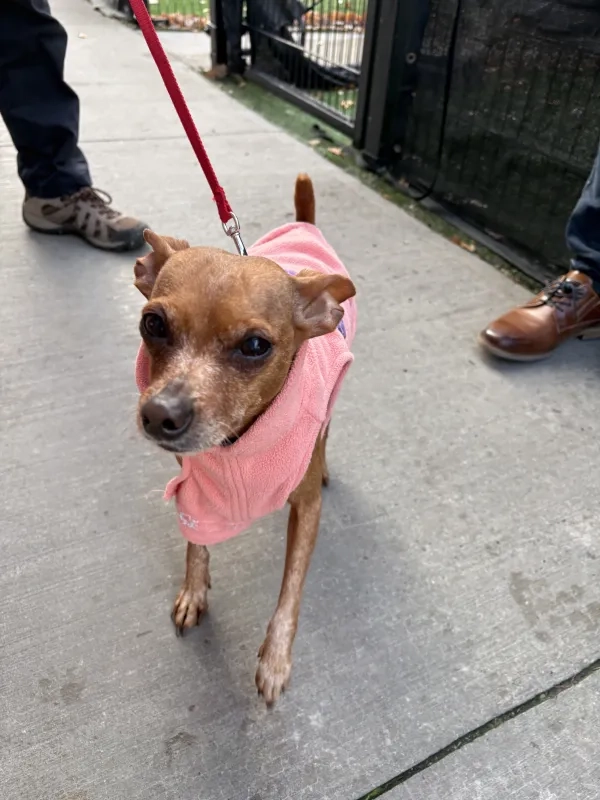
Behind every animal in OHS's care is an army of supporters helping make that work possible. More than 1,000 volunteers help care for animals, foster pets in their homes, and spend time with dogs waiting for their next chance.
"We are nothing without the support of our community," Miko says. "They are a part of everything that we do."
One of OHS's greatest needs right now is foster homes for larger dogs with behavioural challenges, giving them the time, patience and stability they need before finding a permanent family.
"This clinic is our next leap into raising the bar for animal welfare in Ottawa," she adds. "But to do that, we're relying on our community's generosity to bring it to life."
The Ottawa Humane Society hopes that by expanding access to veterinary care, supporting pet owners through difficult times and investing in education, fewer animals will need shelter in the first place. For those that do, the goal remains to find the right match and the right support to help them thrive.
That is the future Miko hopes for Vash and Beige, who are still waiting for a family to call their own.
"We have wonderful animals, like Vash and Beige, who are looking for permanent homes and for somebody to give them a chance," she says.
Want to learn more about Vash and Beige or meet other animals looking for a home? Visit the Ottawa Humane Society.
Did you know your CAA Membership can help support organizations like the Ottawa Humane Society? Through Community Action Month, CAA North & East Ontario gives back to local charities across our region, helping fund programs that keep pets with their families, care for animals in need, and create more happy endings.
