

Considering an electric vehicle? What to think about before making the switch
3 Minute Read
Electric vehicles are no longer a fringe choice in Ontario. More than 75,000 EVs are already registered across the province, and the provincial government expects one in three Ontarians will own an EV by 2030. With that shift well underway, it’s no surprise more drivers are starting to seriously consider whether an electric vehicle fits their life.
Today’s options span everything from fully electric models to plug‑in hybrids, with choices that suit a wide range of budgets, driving habits and household needs. But before making the switch, it’s worth thinking through how an EV would actually work for you, how far you drive each day, whether the car would be a primary or secondary vehicle, and how (and where) you’d charge it. For some, an EV handles everyday driving beautifully, with the option to rent a vehicle for longer road trips or special occasions.
From quiet, zero‑emissions electric cars with ranges of 200 to 600 kilometres, to plug‑in hybrids that pair electric driving with the flexibility of a gas engine, here’s what to consider if an EV is on your radar.
Defining your needs
With so many EV options now available, the best place to start is with your own driving habits. Think about how many passengers you typically carry, how much cargo space you need, and how many kilometres you drive on an average day, both in the city and on the highway.
It’s also worth deciding whether the EV would be your household’s main vehicle or a secondary one. For some families, an electric car is ideal for everyday errands and commuting, while a gas vehicle or even an occasional rental handles longer road trips.
Range and battery life
Driving range is often the first concern for prospective EV owners, but for most people, it’s less limiting than it sounds. Fully electric vehicles today typically offer between 200 and 600 kilometres on a single charge, depending on the model and driving conditions.
Battery lifespan is another common question. EV batteries are designed to last for many years, and manufacturers typically back them with long warranties. While range can gradually decline over time, most drivers will still have more than enough capacity for daily use well into the vehicle’s life.
Price and long‑term costs
Electric vehicles often come with a higher upfront price than comparable gas‑powered cars, which is why cost is one of the biggest factors for shoppers to weigh. Federal and provincial incentives can help reduce that initial expense, making some models more attainable than they first appear.
Over time, however, EVs can cost less to own. Electricity is generally cheaper than gasoline, and fully electric vehicles require less maintenance—there’s no oil to change, and fewer mechanical parts to service. Plug‑in hybrids may cost less upfront than fully electric vehicles, but because they still rely on a gasoline engine, they incur ongoing fuel and maintenance costs similar to those of conventional cars.
When considering price, it’s worth looking beyond the sticker and thinking about how you drive, how long you plan to keep the vehicle, and where the real savings—or trade‑offs will show up.
Charging
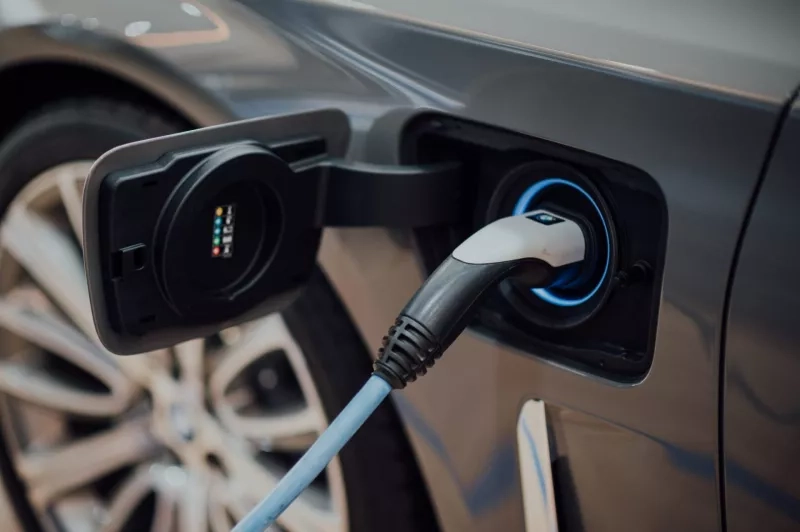
Charging changes how and when you refuel. Many EV owners do most of their charging at home, often overnight, which means waking up to a full battery each morning. Before buying, it’s worth considering whether you can install a home charging station and whether charging is available at your workplace.
Public charging stations continue to expand across Ontario, making longer trips increasingly manageable. Still, convenience depends on your routine, location and comfort level with planning ahead.
EV or plug‑in hybrid
A fully electric vehicle is quiet, produces no tailpipe emissions and offers a smooth, low‑maintenance driving experience. It’s often a good fit for drivers with predictable daily travel and reliable access to charging.
Plug‑in hybrids offer more flexibility. They allow you to drive on electric power for shorter trips, while a gasoline engine takes over when the battery runs low. That added range can be reassuring, though it comes with fuel costs and maintenance similar to a conventional car.
Environmental impact
One of the biggest draws of electric vehicles is their environmental benefit. Fully electric cars produce no tailpipe emissions, helping reduce greenhouse gases and improve local air quality. Even when factoring in electricity generation, EVs generally have a smaller carbon footprint over their lifetime than gas‑powered vehicles.
For drivers looking to reduce their environmental impact without giving up everyday convenience, an EV can be a meaningful step forward.



