

Staying safe on icy roads: An expert weighs in
3 Minute Read
Summary
- 37 per cent of car accidents in Canada occur in winter, often caused by deceptive black ice that forms after rain, flash freezes or partial thaws.
- Black ice is most common in shaded areas and early mornings, and can form even when the air temperature is above freezing
- Drivers should slow down, avoid cruise control and use gentle braking to maintain traction on slick roads.
Winter driving is only dangerous during a blizzard, right?
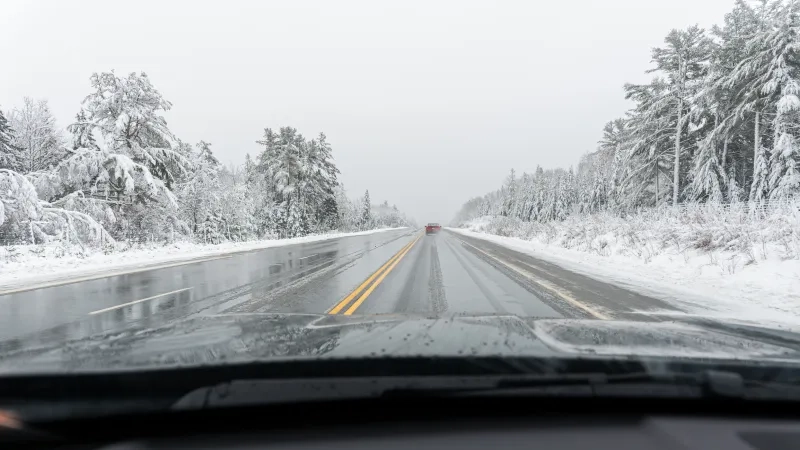
Not quite. According to a recent study, 37 per cent of car accidents in Canada happen in the winter, which means safety should be your number one priority, whether it’s snowing or not. Some of the worst conditions you could encounter in the cold months—slick, icy roads—can occur due to rain, flash freezes and partial thaws.
That’s why we asked Alexander Sala, Dispatch Supervisor with CAA North & East Ontario’s Automotive Services, how drivers can prevent accidents in icy conditions.
Here are our five tips for staying safe on slippery roads.
Know what to look for
“When rain and ice are in the mix, road conditions aren’t just slippery, they’re deceptive. Black ice and sheet ice can both appear quickly with dropping temperatures and rain,” says Sala.
Black ice is often invisible, making it especially dangerous. It can form for several reasons, including rainfall, fog, and snowmelt that refreezes when temperatures drop. Look out for black, shiny patches and pay special attention to shaded areas, such as underpasses, rural roads, and bridges. You're more likely to encounter black ice in the morning, before the sun can heat the pavement.
The temperature doesn’t have to be below zero for ice to form, as long as the pavement is cold enough, water can freeze on its surface.
Before embarking on a winter journey, or even a trip to the grocery store, check the weather. Conditions can change rapidly with little warning.
Take it slow and drive defensively
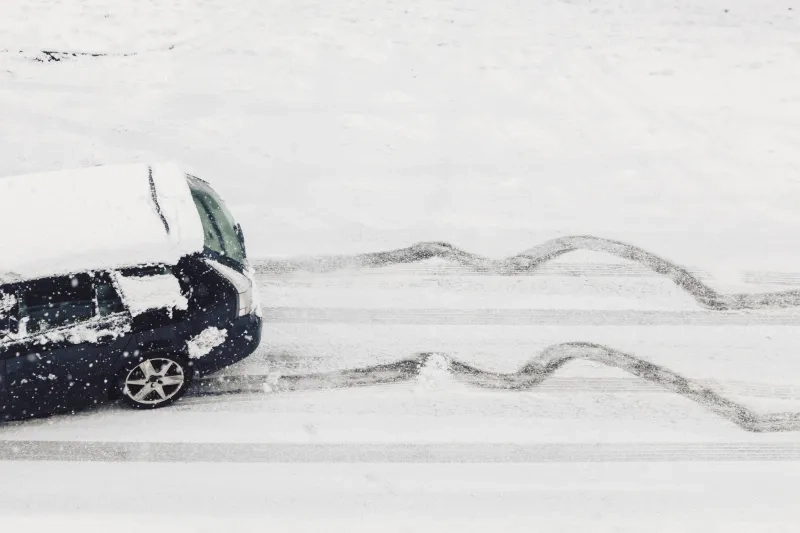
The driving habits you’ve developed over time might be good in the summer, but they can be dangerous in the winter. Be alert and remember that safety comes first.
“Speed limit signs are posted for ideal conditions, so slow down when roads are slippery or covered in snow,” Sala recommends. He also says to avoid using cruise control, as it can cause loss of traction.
Apply steady, gentle pressure when braking to avoid skidding. If you do skid, slowly release your foot from the brake while steering in the direction you want to go. In general, accelerate gradually and avoid sudden braking.
You should allow extra space when stopping and avoid following other vehicles too closely. As it takes longer to stop on a slippery road, that cushion could make a real difference in the safety of other drivers and pedestrians. Avoid passing if you can.
Be extra careful at night
“Use even more caution when driving in the dark, particularly on slick, rainy nights. Pay attention to how your car reacts to the road and any sliding you may experience,” Sala says.
It's crucial to see and be seen, so ensure your headlights are on at all times and are correctly adjusted. Use low beams to reduce glare. If visibility becomes too poor, pull over to a safe location and wait for conditions to improve before getting back on the road.
Keep your vehicle in good shape
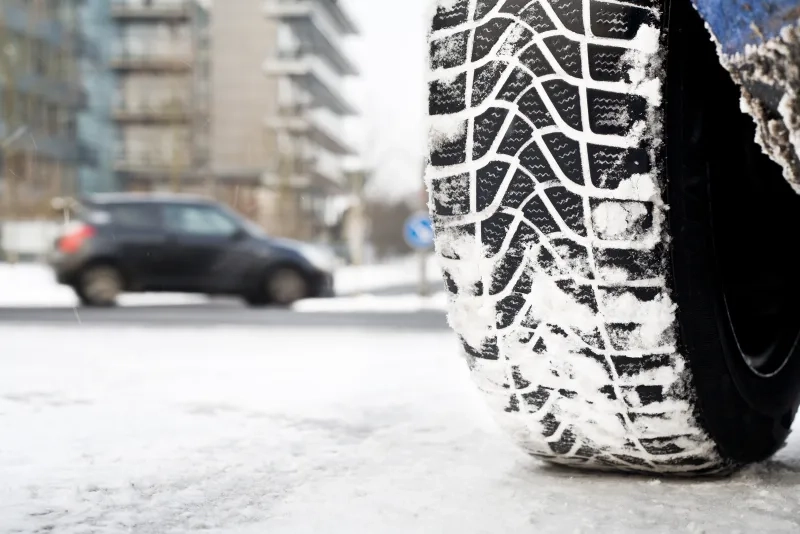
Preparing your car for winter driving is one of the best ways to stay safe on the road.
Sala warns that “One of the biggest issues drivers face in icy, wet conditions is traction, which can be managed by switching to winter tires and keeping them properly inflated.”
You should also top up your fluids and check your washer blades. Windshield washer fluid and coolant are both critical for safe driving when slush, rain and ice are all in play. Store extra washer fluid in your car for emergency top-ups. Washer blades should also be replaced every six months to ensure visibility in poor conditions is optimal.
It’s also a good idea to keep an emergency kit in your vehicle. This should include a small container of cat litter or a salt-and-sand mix for traction. Make sure you also have a fully charged phone and a backup battery in case you get stranded.
Check the CAA App for emergency service updates
When things do go wrong, Sala advises where you can look for help. “When there is a spike in call volume, CAA will update Members through our website and app. Remember that CAA service vehicles can only access streets and driveways that have been plowed and cleared.”
In extreme conditions, check the CAA North & East Ontario website for wait times.



