

Thinking about a Chinese EV? What Canadian drivers should know before buying
4 Minute Read
Summary
- Chinese EVs handle winter driving well, but there are still important things to consider after you buy one.
- Questions around service, data privacy, and brand longevity matter — “ownership experience” is the bigger uncertainty for buyers.
- Cold weather affects range and charging, so buyers should know what to expect in winter.
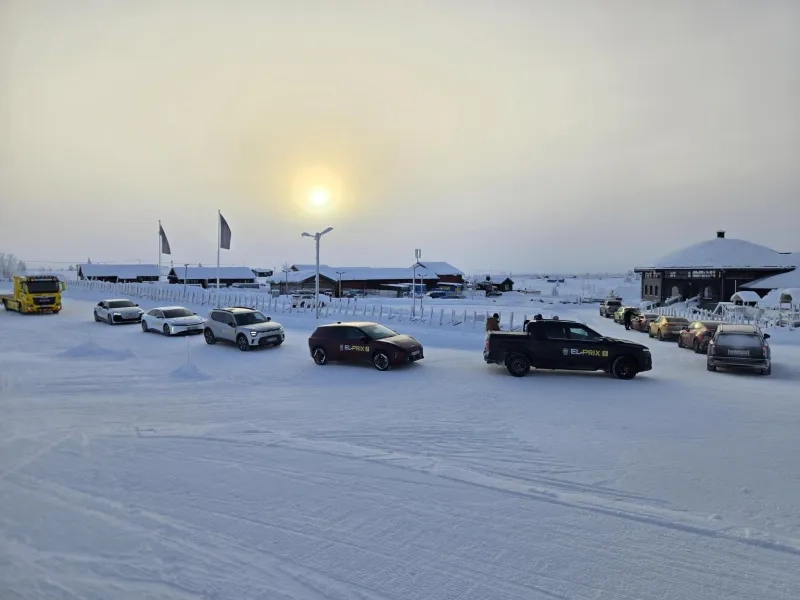
The El Prix EV winter test by Norges Automobil-Forbund (NAF, or the Canadian version of CAA) has delivered a clear message: many Chinese electric vehicles perform exceptionally well in harsh conditions. Fast charging, competitive real‑world range and improving build quality are no longer in question.
What remains less certain for consumers is the ownership experience that comes after the purchase.
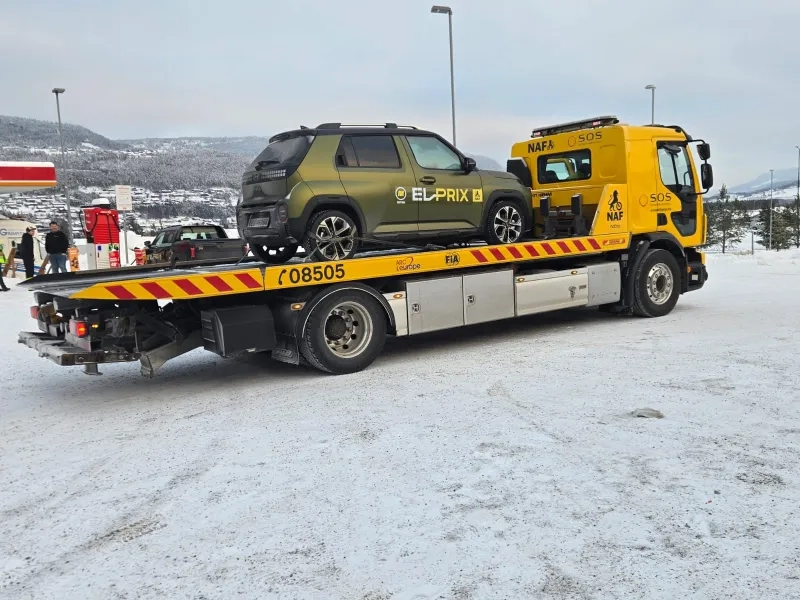
In Norway, where Chinese and Korean EVs hold significant market share, there are still significant concerns about customer service, data security and parts availability. Many Chinese brands entering global markets are still building dealer networks and service infrastructure. If a vehicle requires repairs—particularly to key components such as brakes, suspension or electronics—owners may face longer wait times for parts or specialized service, says Hans Arne Thorsdal, NAF’s Head of Roadside Assistance.
There is also the issue of long‑term brand stability. China is introducing a large number of EV brands to international markets, and not all are likely to survive. For consumers, that raises practical questions about warranty coverage, software updates, resale value and long‑term support, says Eivind Skar, Head of Product and Development at NAF.
“The quality of these Chinese vehicles these days is so good that the skepticism is based on the past. It’s old thinking that everything from China is cheap and bad quality. They don’t have any more issues than German cars. But the issue is that the Chinese are flooding the market with many different brands, so there’s risk of smaller brands disappearing if they don’t compete,” he says.
Data privacy and trust
Data privacy is another concern frequently raised by consumers, says Andreas Haaland-Carlsen, editor at NAF’s Motor Magazine. Modern vehicles collect large amounts of data, from driving behaviour to location information. Some drivers are uneasy about where that data is stored and who can access it.
“China is way ahead in technology compared to EVs produced in the EU or US. The concern is over data in the car – does it go back to China? Another question is who is building the cars – how are the labour relations,” he says. (Tesla currently has a manufacturing plant in Shanghai, while China’s top EV maker BYD has an electric bus plant already in Canada in Newmarket, ON.)
While these concerns are not unique to Chinese vehicles, they tend to be more pronounced given broader geopolitical tensions and limited transparency around data handling practices. For buyers, understanding how vehicle data is managed—and whether it leaves the country—is becoming an increasingly important part of the purchase decision.
What the El Prix teaches about EV range
Beyond brand‑specific issues, the El Prix reinforces key lessons for anyone considering an electric vehicle.
One of the most important is the gap between the advertised range and real‑world performance. Official range testing in Europe is conducted at moderate temperatures, around 23°C. Cold weather, rain, snow, elevation changes and winter tires all increase rolling resistance and energy consumption, reducing range—sometimes significantly.
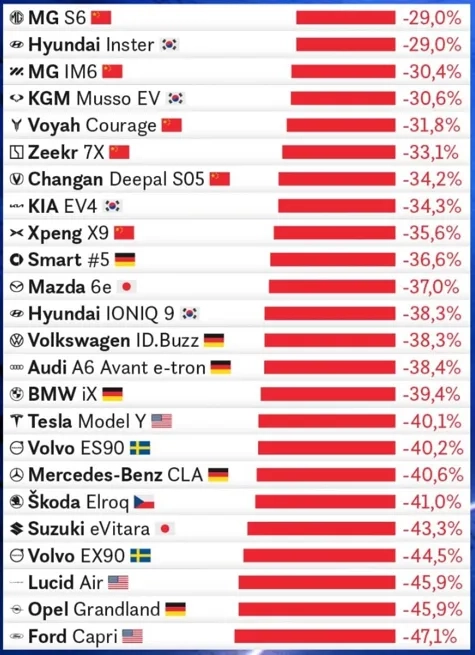
The El Prix does not attempt to “beat” advertised range figures. Instead, it provides realistic benchmarks that help consumers understand what to expect during everyday winter driving, notes John Holager, NAF’s Head of Customer Journeys and Membership Experience.
“Why do we do the El Prix? There’s a difference between posted range and real-world range. The official range by EU standards is done in 23°C conditions, so it’s not really reflecting real-world winter. Plus, rain and winter really impact the EVs rolling resistance,” he says.
Charging: why winter changes everything
Charging performance is another area where expectations often clash with reality.
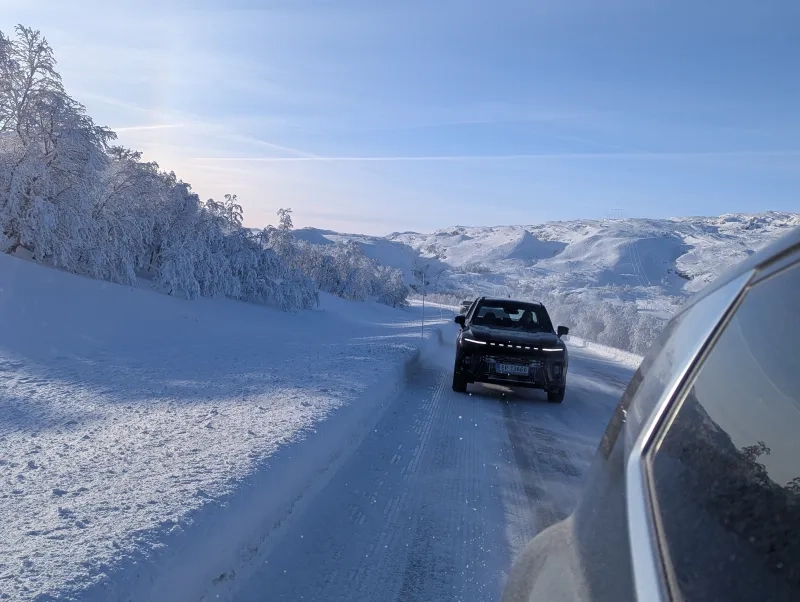
Fast‑charging speed depends not only on the charger itself, but on battery temperature. In cold conditions, batteries must warm up before they can accept high charging speeds. Some vehicles manage this better than others through battery pre‑conditioning systems, says Holager.
“Another question is how fast does a car charge from 10 per cent to 80 per cent? It’s less about what the vehicle can handle and more about that the vehicle must be warm enough to optimize the charge. If it’s -5°C in the mountains and you have an efficient vehicle that cools the battery, you won’t charge at the optimum capacity.”
While some vehicles reach impressive peak speeds, charging can slow dramatically if batteries are cold or thermal management systems are less effective.
For consumers, this means asking better questions—about heat management technology, how a vehicle charges in winter and not just what it can do under ideal conditions.
What Canadian buyers should consider
For Canadians considering a Chinese electric vehicle, Norway’s experience offers both reassurance and caution.
On one hand, these vehicles are no longer experimental. They deliver strong performance, even in extreme cold, and increasingly rival established brands on technology and efficiency. On the other hand, buyers need to think beyond the test drive.
Key considerations include service networks, parts availability, data privacy policies and the long‑term viability of the brand. A well‑performing vehicle is only as good as the support behind it.
Norway’s EV transition shows that widespread adoption depends not just on technology, but on informed consumers. The El Prix exists to close that knowledge gap—helping drivers understand what electric vehicles can do, and what questions they should ask before buying.
As Chinese EVs move closer to Canadian roads, one thing is clear: winter performance is no longer the biggest unknown. Ownership experience may be.



