

Top car wash tips to save money and protect your paint this spring
4 Minute Read
Summary
- Spring car washing helps remove winter salt buildup that can cause rust and paint damage.
- Guidance compares drive-through, touchless and hand-washing options with cost and risk considerations.
- Timing, soap choice and drying conditions affect results and long-term vehicle protection.
After a long Canadian winter, you’re probably looking for the best way to get grime and buildup off your vehicle.
Dirt and salt can accumulate on your paint, in your wheel wells and on your vehicle’s underbody. It’s a good idea to inspect these areas for any damage post-winter, and it’s an even better idea to wash your car when the weather begins to warm up. But with so many different options at so many different price points, how do you know which one is best for you and your car?
From drive-thru washes to DIY soap-and-bucket sponge baths, our automotive experts share tips for keeping your vehicle squeaky clean this spring.
How often should you wash your car?
Generally, you should wash your car every two to four weeks. Aside from making your vehicle look great, regular washes are your best defence against rust and corrosion. If your car is salty, covered in pollen or dusty from outdoor adventures, wash it more frequently.
Since Canadian spring temperatures swing between hot and cold, it's best to wash your car on days when the temperature rises and to hand-wash it in a warm spot that lets it dry fully—like your garage—before taking it into the cold.
Avoid sudsing your car when it’s too hot, as sunlight or extreme heat will dry out your soap, leaving streaks.
Different types of washes
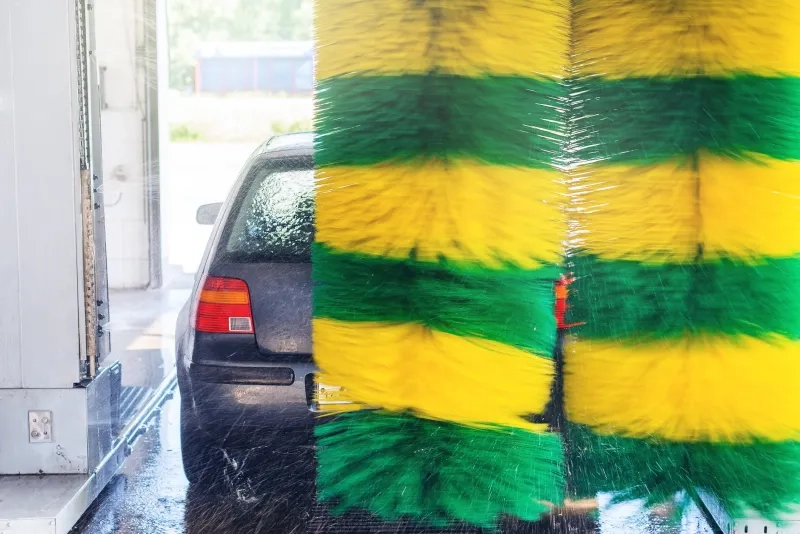
Car washes can be categorized by machinery (manual versus automatic), structure (in-bay versus tunnel) and washing method (touchless versus friction).
An at-home bucket wash, for example, is both manual and friction-based because it’s done by hand and through physical scrubbing of the car. Another option is a manual bay car wash, where you pay for the use of provided tools, such as sponges and brushes. These can be either self-served or done by a professional.
If you choose an automatic car wash, the machinery handles everything. In a bay, the machinery moves around the car while the car stays stationary. In a tunnel, the car moves through the machinery. If it’s a friction wash, cloth strips and brushes clean your car, offering a more thorough clean but risking minor damage to the vehicle.
You might opt for a touchless car wash if you’re worried about delicate antennas or mirrors. The main downside is the need to use stronger detergents, which may be harsher on your paint.
Soaps, sprays, waxes and detergents
There are four main types of car cleaners. Salt-removal formulas neutralize your car’s worst enemy—corrosive road salt. These products come in different forms, including shampoos, sprays and concentrates.
Next are pH-balanced shampoos and degreasers. These are special detergents that will protect your paint, prevent wax stripping, and prevent streaks. Most brands are similar, but you’ll want one with lubricant, so your cloth glides easily.
Underbody sprays protect the dirtiest part of your vehicle. Rubberized or hard-coat products create a solid physical barrier. Oil-based undercoating is a “self-healing” option that seeps into the crevices where rust can form.
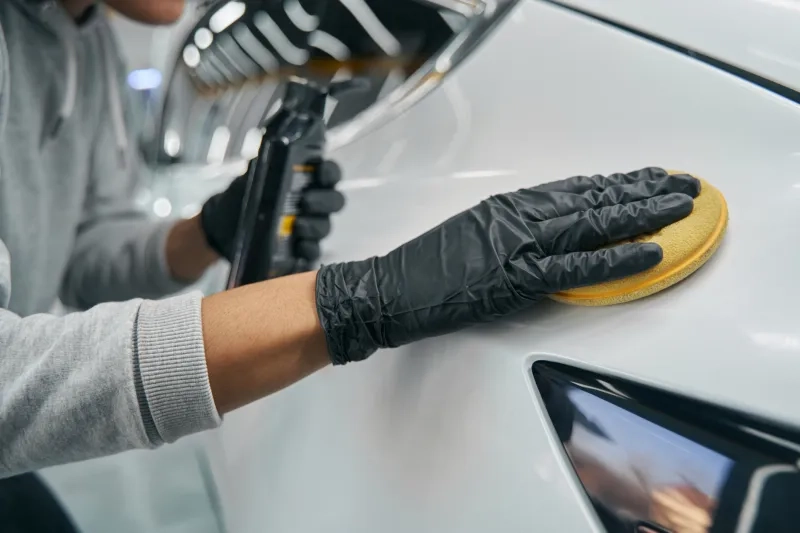
The final step is a protective sealant, or wax. Natural or carnauba wax has a high shine, a high price tag and a short lifespan. Synthetic waxes are less shiny, but they’re cheaper, last longer and are easier to apply. Waxes are sold in many forms; paste is the most labour-intensive, liquid is the most affordable, and sprays are best for touch-ups.
Some shampoos include wax, but despite their convenience, they don’t offer as much protection as a full wax.
To DIY or not to DIY?
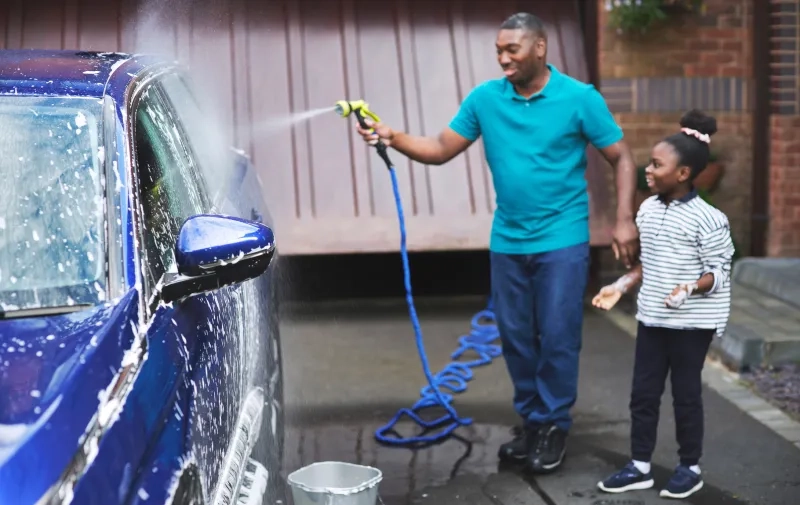
An at-home car wash has pros and cons. Although it can be much more thorough, it will also cost in both time and materials. Incorrect technique can also risk damage to the paint.
Take extra care with the products you use; car-specific detergents are always the best option. Beware of DIY hacks, and if you opt for at-home solutions, make sure to test them on a small, discreet area of your car first and rinse the area thoroughly afterwards.
Washing your car at home
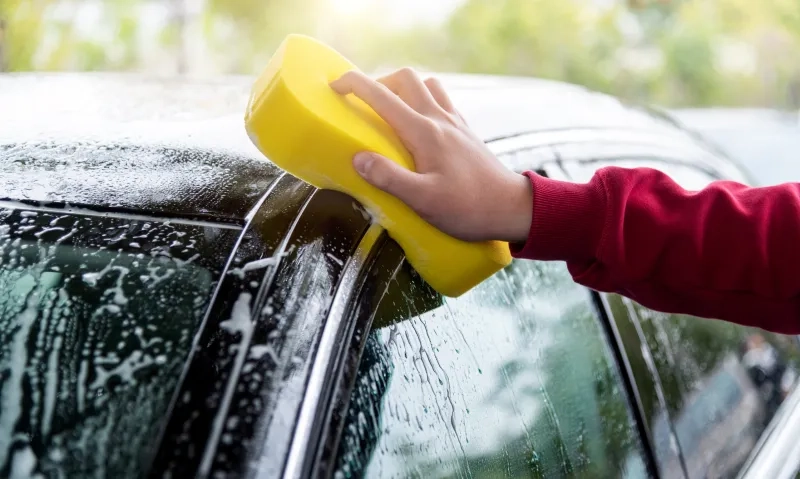
When washing your car at home, your main consideration should be your paint job. CNN recommend you rinse your car thoroughly, then fill two buckets: one with soapy water and one with plain water.
Start from the top and work your way down. Using a microfiber cloth, sponge or mitt, wash the car with the detergent mix, then rinse the cloth in the second bucket before repeating. This prevents dirt on the cloth from scratching your paint. Go section by section, drying your car as you go to prevent water spots.
Wax your car once it’s clean. Many people skip this step, but it provides vital protection for your car’s lustre and helps it withstand the environment.
Wash your wheels separately—this is the dirtiest part of the car, and you want to avoid spreading that grime onto the rest of the car.
How can I save money?
If the idea of a frequent car wash has you feeling exhausted or clutching your wallet, CAA can help. CAA Members save 10 per cent on Shell car washes, making it a convenient and cost-effective choice for automatic and touchless washes.
Members also save 10 per cent on retail at participating Shell stores and three cents per litre through the app.
