

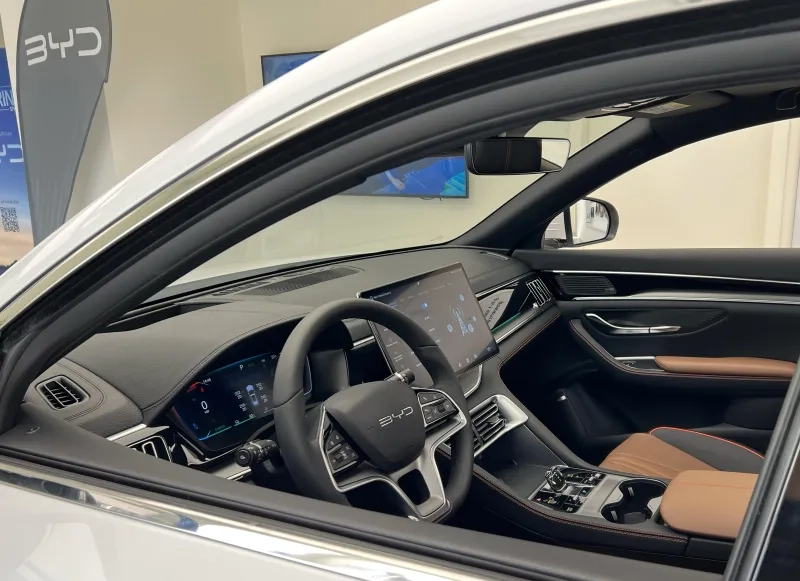
Why 2026 might finally be the year to invest in an EV
3 Minute Read
Summary
- New federal policies in 2026 expand EV availability through a major Chinese import deal.
- An updated national rebate program is designed to make EV purchases more affordable.
- A $1.5‑billion charging‑network investment is set to improve access and daily usability across Canada.
Big things are happening in the world of electric vehicles.
Once considered low-performance, unreliable and unsuitable for Canadian winters, electric vehicles, otherwise known as EVs, have shot to the top of trade headlines and government mandates in recent months. From the federal government’s negotiation of a massive EV import deal with China, to the announcement of an updated rebate program and a one and a half billion-dollar commitment to expanding charging networks under the Canadian Infrastructure Program – the tide has turned. Together, these developments mark a shift in how many EVs Canadians can expect to see both on the road and in the market.
The federal government has made its priorities clear, and if you’re reading the road signs, one thing stands out: 2026 may finally be the year to invest in an EV.
High-performing Chinese EVs are hitting the Canadian market
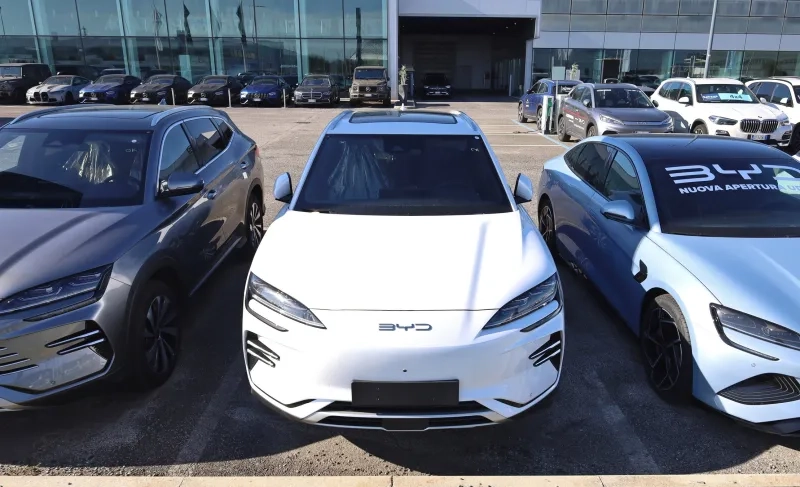
As any car enthusiast will tell you, excitement around Chinese EVs has surged in recent years. From the affordable mass-market offerings of BYD to the rapid technological advances of newer brands, Chinese automakers, once dismissed for underwhelming commuter vehicles, have captured the attention of both EV devotees and traditional car lovers alike with their fast-charging, high-performance catalogue. Already prevalent across Asia, Latin America and Europe, Chinese EVs now stand to make a major North American debut thanks to the Government of Canada’s recent brokerage of an EV trade deal with China, encompassing as many as forty-nine thousand vehicles.
For Canadians, however, affordability and performance are only half the story. In opening the door to competitive foreign EVs, the Government of Canada aims to foster collaboration, competition and innovation within the domestic automotive sector.
While promising in many respects, the new trade agreement is not without criticism or downsides. An influx of Chinese EVs could put pressure on Canadian manufacturers, damaging the domestic industry. It may also prove difficult and time-consuming to source parts for Chinese EVs, especially if Sino-Canadian trade relations cool off again in the coming years. Be that as it may, the deal has been struck, and Canadian consumers stand on the cusp of an unprecedented expansion in choice, value and performance when shopping for their next EV.
Relaunched EV rebates

As trade deals expand consumer choice, Canadians can also expect financial assistance when purchasing EVs through the newly updated Electric Vehicle Affordability Program. Launched this February, the program is designed to reduce the burden of still-premium EV pricing, offering rebates of $2,500 for hybrid vehicles and $5,000 for fully electric ones.
The initiative aims to encourage the purchase of “affordable” vehicles - price capped at a final sale value of $50,000 for vehicles manufactured in countries with a free-trade agreement with Canada, and no price ceiling for domestic vehicles. While not exhaustive, the federal government has also released a list of eligible vehicles falling within the program’s scope. Although Chinese-made EVs are not eligible under the program, it still offers a wealth of options for Canadian consumers. It provides a major discount for anyone in the EV market.
Big investments in EV infrastructure
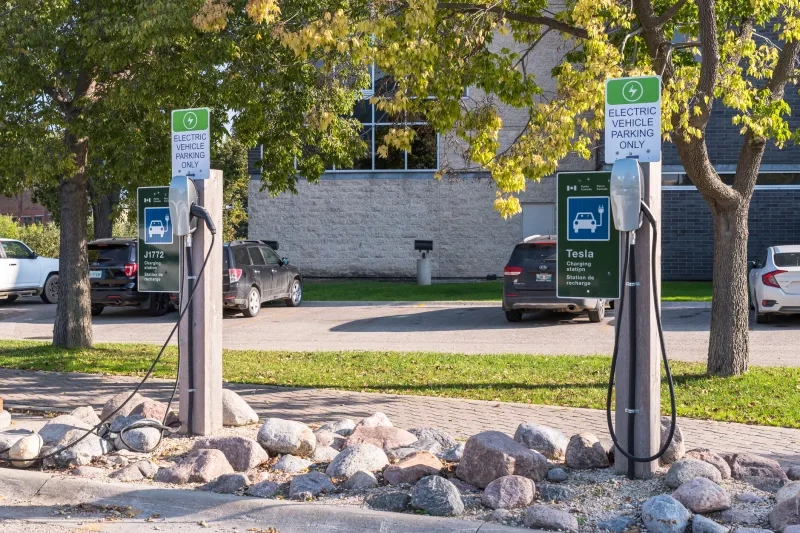
Rounding out Canada’s new electric vehicle strategy, the federal government has committed to investing one and a half billion dollars into EV infrastructure in the coming years. The investment is expected to fund a major expansion of the national charging network alongside grid upgrades and increased power capacity to support growing demand and related industries. Full details are yet to be released, though the government has already announced that $97 million will be put towards clean transportation projects, including $84.4 million for installing over 8,000 charging stations across the country and $7.2 million for public awareness campaigns aimed at boosting confidence in EV capabilities.
These are promising developments; however, the truth remains that much of Canada still faces significant gaps in its EV infrastructure, especially in rural and northern communities. Although plans are in place to address these shortcomings, Canadians who own or plan to purchase an EV must still think twice before taking long-distance trips beyond their usual routes.
A turning point for Canadian consumers
Electric mobility is in the midst of a major shift in Canada. With expanding consumer options, new financial incentives and long-term infrastructure plans in the works, many of the barriers that once kept EVs as an underdog on Canadians roadways are beginning to melt away. The direction of travel is clear, and for Canadians weighing the switch, 2026 may well be the moment that going electric finally starts making sense.



