

An easy fall gardening checklist for busy homeowners
3 Minute Read
Summary
- Fall garden cleanup can be lighter, leaving seed heads and stems for birds and insects.
- Leaf control, plant removal and soil prep keep lawns and beds healthy.
- A short checklist reduces spring work while protecting yards through winter.
As the air turns crisp and leaves begin to crunch underfoot, many homeowners assume the gardening season is over. In reality, fall offers one last opportunity to prepare your yard for winter while making spring far less work‑heavy. With shorter days and cooler temperatures, a lighter, more intentional approach is often all that is needed.
Across Ontario, gardeners are increasingly moving away from the traditional full clean‑up in favour of a more environmentally conscious routine. Leaving some leaves, seed heads and plant material in place helps insects, birds and soil organisms survive the winter. At the same time, a few well‑timed tasks can protect your plants from freeze damage and prevent issues once the snow melts.
Letting perennials work for wildlife

Many perennials can be left standing through winter, especially those that have gone to seed. In Ontario’s climate, seed heads provide an important food source for birds once natural forage becomes scarce, and hollow stems offer shelter for beneficial insects.
Most perennials are best cut back in mid‑spring rather than fall, once overwintering insects have emerged. Leaving them intact through winter also adds structure and visual interest to the garden during snowy months.
Managing leaves without overdoing it
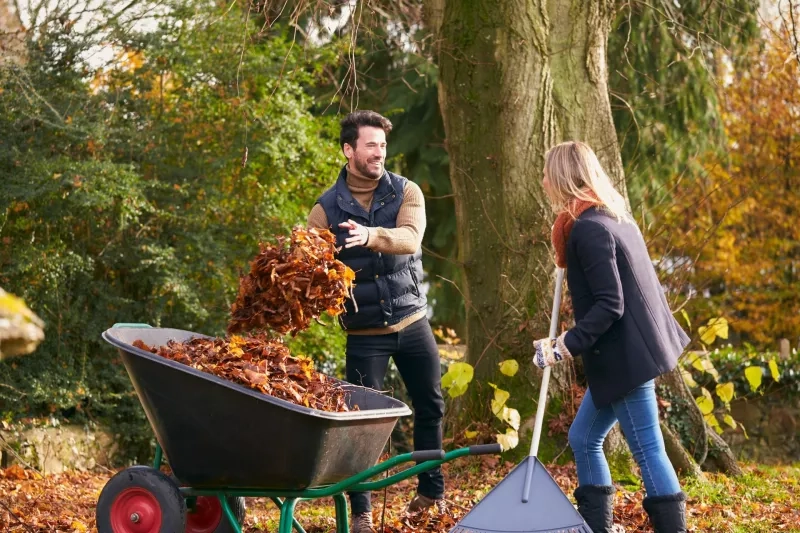
Fallen leaves are one of fall’s greatest garden resources, but they need to be managed carefully. Thick layers left on lawns can trap moisture and block sunlight, leading to mould or dead patches once the snow melts.
Instead of bagging leaves, rake excess amounts into garden beds or compost piles. In Ontario, leaf mulch helps insulate soil, reduces erosion during freeze‑thaw cycles and breaks down into valuable organic matter by spring.
Clearing annuals and vegetable beds
Annual plants and vegetable gardens benefit from a seasonal reset before hard frost arrives. Pull spent annuals such as petunias and impatiens, and remove rotting fruit or vegetables that could attract pests or spread disease under snow cover.
Lightly turning the soil helps prevent compaction and prepares beds for next year. This is also a good time to note which crops performed well in Ontario’s growing conditions and which struggled during heat waves or heavy rainfall.
Fall planting that pays off in spring
Autumn is one of the best times in Ontario to plant garlic, onions and shallots. These crops establish roots before winter dormancy and begin growing early once soil temperatures rise.
Spring‑flowering bulbs such as tulips, daffodils and snowdrops should also be planted in fall, before the ground freezes. Planting now allows bulbs to develop strong root systems and results in earlier, more reliable blooms once winter fades.
Preparing your garden for Ontario winters
Ontario winters can be hard on both plants and equipment, so a bit of preparation goes a long way. Terracotta, clay and ceramic pots should be emptied and stored to prevent cracking during freeze‑thaw cycles. Tomato cages, stakes and plant supports can be cleaned and stored once beds are cleared.
Trees and hedges benefit from pruning to remove dead or damaged branches that could break under snow or ice. Shrubs vulnerable to wind or ice damage may need burlap protection, particularly in exposed areas. Garden tools should be cleaned and dried before storage, and hoses fully drained and disconnected from outdoor taps to prevent freezing.
Preparing your garden for Ontario winters
Ontario winters can be hard on both plants and equipment, so a bit of preparation goes a long way. Terracotta, clay and ceramic pots should be emptied and stored to prevent cracking during freeze‑thaw cycles. Tomato cages, stakes and plant supports can be cleaned and stored once beds are cleared.
Trees and hedges benefit from pruning to remove dead or damaged branches that could break under snow or ice. Shrubs vulnerable to wind or ice damage may need burlap protection, particularly in exposed areas. Garden tools should be cleaned and dried before storage, and hoses fully drained and disconnected from outdoor taps to prevent freezing.



