

Insider tips for a safe (and tasty) BBQ season
4 Minute Read
Summary
-
BBQ safety starts with gas hose inspections, grease tray cleaning, and burner heat testing.
-
Average BBQs last 5–8 years, while premium North American grills perform reliably for 10–20 years.
-
Use internal thermometers; cook chicken to 165 internally, prevent cross-contamination, and improve flavour through overnight seasoning.
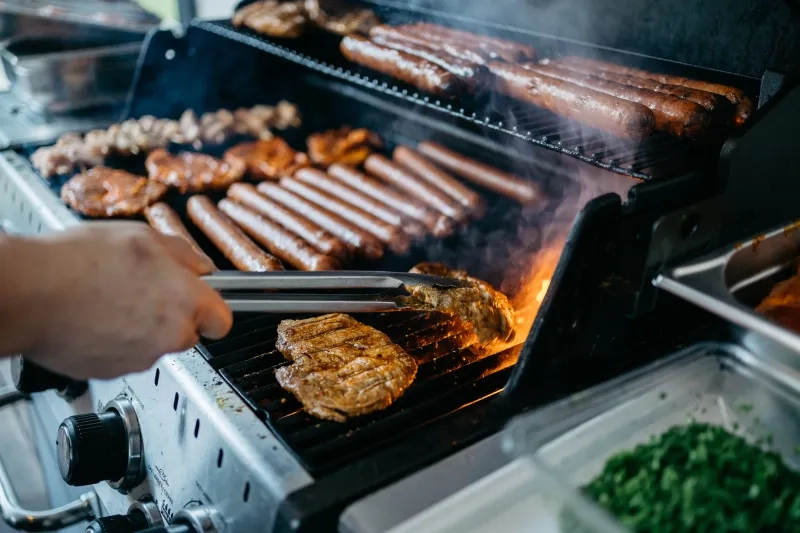
If you’re like most Ontarians, you can hardly wait for the start of BBQ season. After enduring a long, cold winter and the fickle, ever-changing weather of spring, it’s high time to throw some meat on the grill.
In the excitement of tasting that first meal of the BBQ season, however, it can be easy to put safety concerns on the back burner. We sat down with ‘Ribeye Joe’ Whitfield, co-owner of Capital BBQ, to get some expert safety advice. With experience as a judge for major BBQ events across the U.S., Whitfield has also judged offerings at the Ottawa Kosher BBQ Cook-off and Festival. He shared some surprisingly simple tips for preparing the best-tasting proteins this BBQ season.
What are your top safety tips for prepping a BBQ for the season?
Number one is the gas, whether it’s hooked up to propane or natural gas. Look at the hoses underneath; check for any visual signs of cracking or similar issues. Put a little soap and water on your hose assembly, then clean it out.
Next, it’s important to clean out the barbecue. There's always a drip tray, so make sure the grease is out of it. You might have debris in the bottom; you’ll want to vacuum it out or scrape it out, just make sure that there's nothing in there. The last step is to light it up; test to make sure all burners are working properly and that you have some nice heat coming off.
At Capital BBQ, we have cleaning supplies for your BBQ’s exterior and interior. If you’re not comfortable doing it yourself, you can go right to our website to book an appointment; we’ll send a professional to your house for a full cleaning and test.
How long do BBQs last, and what are the warning signs that an old unit needs replacing?
The lifespan will vary, depending on what kind of BBQ you have. For an average barbecue, something relatively inexpensive from your mass merchant, those usually last from five to eight years. After a couple of years, you may already notice things aren't working as well as they used to. You may have a lot of uneven heats; you're always moving food around.
Premium quality BBQs have a lifespan of 10 to 20 years. Those are mostly North American-made units, and you pay a little bit more for them. But like everything else, you get what you pay for. There's nothing better than turning on the barbecue and having it perform the same way every time.
What’s the best way to set up a brand-new BBQ safely?
If you’re buying it in a box and you're going to build it yourself, following the assembly guide is key. In terms of positioning, move it away from the house; you want a propane BBQ to be about four feet away from the house. Next, fire it up and let it run on its own for 20 minutes to burn off any packing and manufacturing oils from the parts, so you won’t have ugly stuff on your food or an awful smell.
Some of the premium grills are now available on an app you can download; it walks you through building the grill. But if you don't feel comfortable, we've got a professional team that assembles them for you.
How can you ensure proteins are safely cooked on the BBQ?
Get a high-quality internal thermometer; it’s one of the most important tools when you're grilling. Typically, a thermometer is an accessory purchased separately from the BBQ, but some premium grills come with probes and digital readouts on the front control panel. The thermometer connects to your phone via an app; when the internal temperature is reached, it'll notify you.
Whether they're barbecuing chicken, pork or another protein, many people don't use a thermometer; they poke at it and aren't sure of the best internal temperature, so they end up cooking it until there's nothing left! If you can cook chicken to 165°F internal temperature, it will be perfect every time. Be very consistent with your cooking, and everyone will enjoy your food.
The other important thing is to keep everything clean; avoid sharing plates with different proteins. If you had raw chicken on a plate, don’t use it for another protein, as you risk cross-contamination.
What are your pro tips for achieving optimal flavour for grilled meats?
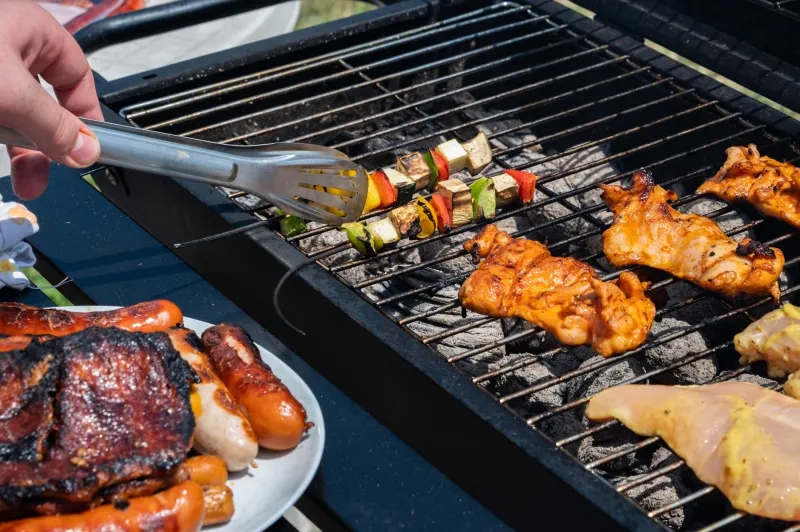
Whether it’s chicken, pork or any other protein, the biggest thing is to season it and leave it in the fridge overnight. Many people just sprinkle seasoning on and throw it on the grill, but then the seasoning doesn't permeate the food, so you can't get the best taste from that rub.
To finish it off, in the last few minutes of grilling, try a bit of butter and some rosemary, or your favourite barbecue sauce. Put a nice little glaze over the top in the last 10 to 15 minutes; that really gives you a full-rounded flavouring of that protein. The more you do it, the more you just hone the flavour profile that you like.
Ready to make it a great BBQ season?
CAA Members save 10% on BBQ and grill accessories at Capital BBQ in Ottawa! Find everything you need to level up this BBQ season at BBQing.com.



