

Prepare for extreme weather with top handyman tips
4 Minute Read
Summary
- Practical tips highlight securing homes before severe storms, flooding, or heatwaves.
- Advice includes reinforcing windows, clearing gutters, and inspecting roofing for weaknesses.
- Proactive maintenance reduces repair costs and improves safety during unpredictable weather.
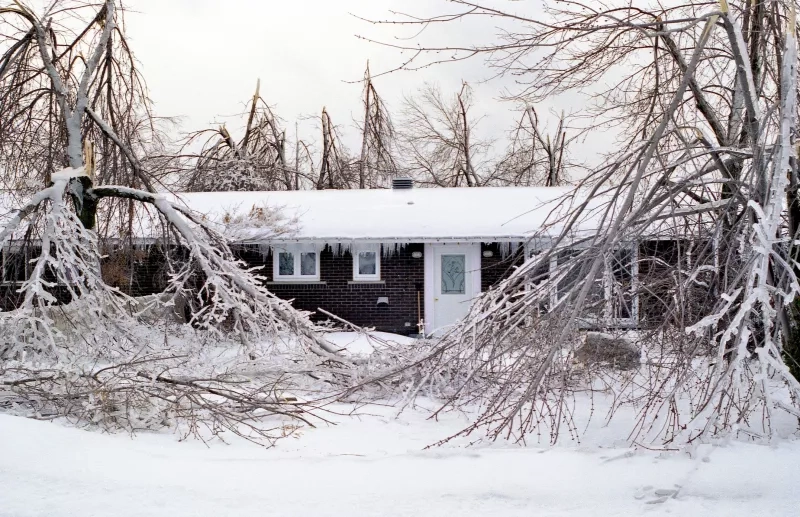
Batten down the hatches, Canada! With extreme weather events becoming increasingly common, it's more important than ever to take proactive steps to safeguard our homes against unexpected conditions.
While the threats of extreme weather can seem overwhelming, remember that there are actionable steps you can take to protect your property against damage.
To provide you with expert advice on how to safeguard your home, we interviewed Fixvi, an Ottawa-based handyman app that connects homeowners with contractors. They shared tips for protecting your property from severe weather.
Keeping your roof sturdy and eavestroughs clean
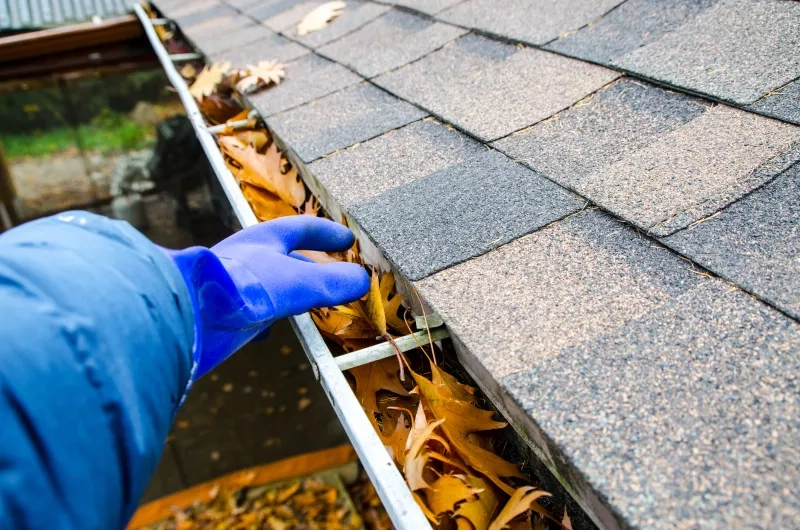
"Roofs are one of the things people worry about the most, but are also one of the most important home maintenance things to be thinking about," says Kurt Haller, Fixvi contractor from Roof Defenders Ottawa. "The roof is the most fragile part of the building. Other parts of the house are made of concrete and rebar, while the roof is this skinny little layer that's supposed to keep the building intact."
It's no surprise that roofing takes up so much space in the discussion of home maintenance. A damaged roof can cause leaks or even blow away entirely in high-altitude winds if not fastened securely. "If you only do one thing for your roof, have it sprayed with a high-quality acrylic. It's essentially a glue that fastens and holds the whole structure in place," Haller suggests. "If you do the right maintenance and spray every ten years, your roof can last a lot longer."
Holding a roof together isn't only about structure and shingles; keeping our gutters clean is essential to avoiding disaster. "Gutters are a lot smaller than you think, and it doesn't take more than a couple of soggy leaves to plug the orifice. It won't drain properly, and your gutters have to carry that weight all winter."
To avoid danger to your roof, cut away overhanging branches - though never without considering the correct safety precautions. "The key to cutting branches is to look at safety first, which involves a professional. If you are going to do it, make sure you have help and a ladder, and you lop it off a bit at a time."
Securing your doors and windows
"Even if something is going on outside, as long as your door is closed and locked, you're safer inside than out," Haller notes.
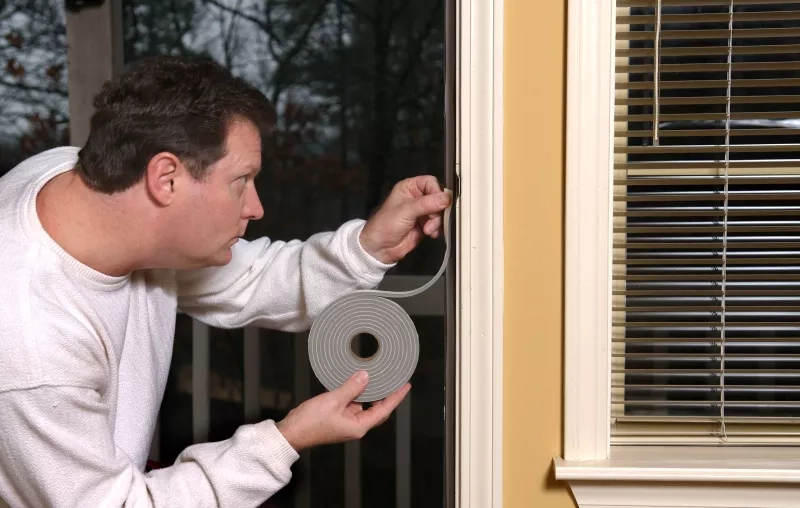
Doors and windows are the gateways to the interior and, consequently, are essential projects when weatherproofing your home. A great first step is to seal any gaps you may find. Consider replacing the door sweep and weather stripping or using caulk to firm up the frame.
Haller suggests upgrading to tempered glass on your windows as the next step. "If there's a risk of a projectile, it's great if you have tempered glass. People often get it for privacy, but it's great for protection, too."
If you're particularly concerned about your windows, installing storm shutters to give them extra protection against wind and rain is a great idea.
Basement readiness
"In terms of extreme weather, the basement is the safest place in the house," says Haller. "But you know, the greatest risk there is water."
As secure as they may be, water and flooding pose an ever-present risk to basements. As the bottom part of the house is where water swelling accumulates, it is essential to invest in a functioning sump pump. "If you're flooded, there's not much you can do. But if you're a homeowner, you need a sump pump that works," says Peter Foster, Fixvi contractor from Handyman of Ottawa.
Mould poses another major safety issue, underscoring the importance of inspecting for cracks or gaps and coating interior walls with a waterproof sealant before moisture enters.
Ready to be proactive? Sump pumps and drainage are essential to keeping your basement safe, so it can be worthwhile to install an energy backup to keep the sump pump working when it's needed most.
Pools, sheds and other external structures
"An extreme storm passed through Ottawa a few years ago," Foster recalls. "There was all kinds of Gazebo damage. We did a lot of cleanups."
When thinking of home improvements and weather preparedness, our minds naturally go to the house's main structure - though outlying structures like pools and sheds can often be the most vulnerable.
Like with everything, the first consideration should be securing the structure. Swimming pool fastenings, firm locks for doors and window shuttering are some simple first steps. "Taking some plastic recycling boxes and fastening them with bungee cords over the base of orifices is a good idea," Haller suggests.
Considering these structures' exposure, it may be necessary to elevate electrical systems in outlying sheds and gazebos. They are more likely to be exposed to water during torrential rains, which could cause severe damage if they are overflown.
If you have the ambition for a bigger project, consider switching the siding of your house and sheds from standard vinyl to something sturdier, like aluminum. "Vinyl siding breaks very easily. Even bumping it with your elbow when the temperatures are cooler can cause it to shatter." Haller warns.
Plan your next home improvement project with CAA
Ready to start your next home improvement project? Book with Fixvi today; CAA Members save up to $100 on home services and repairs booked online or through the Fixvi mobile app.
To use the service, simply download the app, upload a video explaining the issue and choose from a selection of professionals.


