

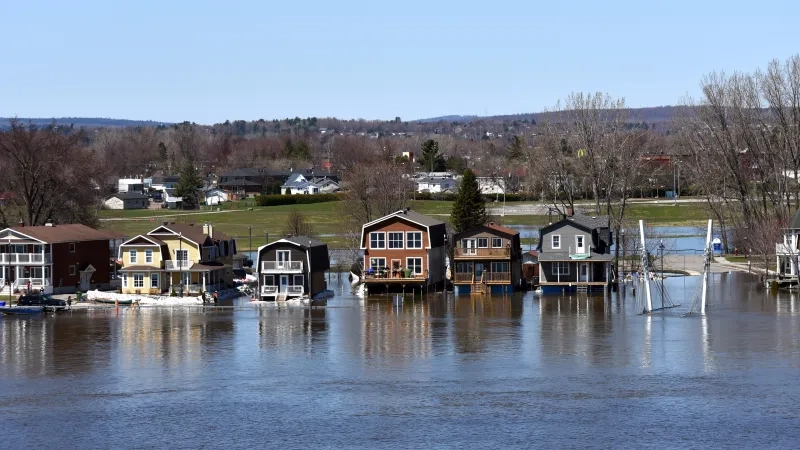
80% of Canadian cities are in flood zones: Here's how to prepare
4 Minute Read
Summary
- 80% of major Canadian cities lie partly in flood zones due to rain and snowmelt.
- Ottawa flooding risk peaks in spring; 77 millimetres of rain caused widespread damage in 2023.
- Flood readiness includes risk maps, foundation upgrades, insurance coverage, and a 72‑hour emergency kit.
According to the Government of Canada, 80 per cent of major Canadian cities are at least in part within flood zones.
Rapidly melting snow, ice dams, high water levels, heavy rains and storm surges can all lead to flooding across Ontario. The Rideau Valley Conservation Authority explains that areas around the Ottawa River often see a risk of flooding peak in the spring, when significant rainfall events combine with rapid snowmelt.
But flooding can happen at any time of the year. In August 2023, Ottawa faced severe flooding when 77 mm of rain fell in a single day. Streets quickly turned into rivers, leaving many households without power. The City of Ottawa expects that by 2050, precipitation will increase in the fall, winter and spring, with 15 per cent more rain per day.
So, what does that mean for your neighbourhood, and what can you do to stay safe when the waters rise?
How to prepare before the water rises
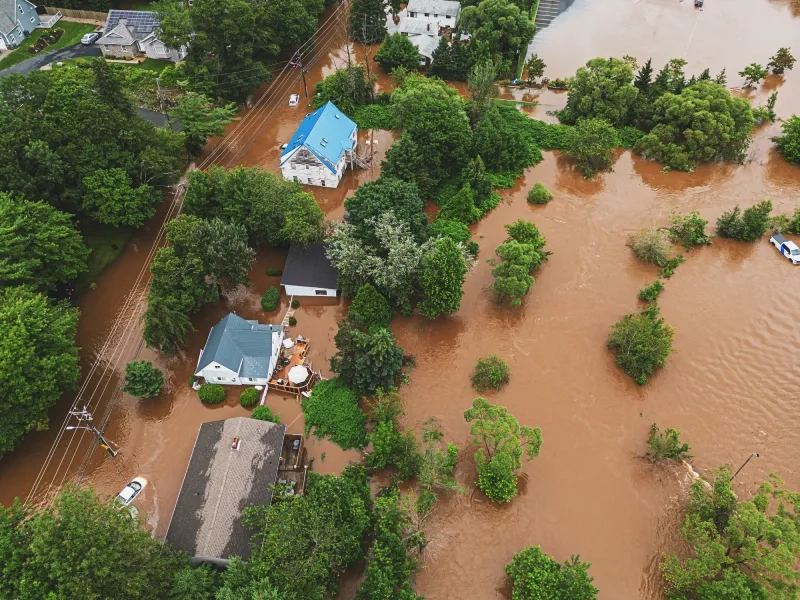
Taking preventative measures can reduce the likelihood of damage, help you save on repair costs, and give you peace of mind. But where should you start?
Check local maps and alerts
Canada has a national colour-coded alert system to help everyone understand and respond to severe weather risks, including flooding. These alerts are issued on platforms like WeatherCan and The Weather Network.
A yellow alert signals weather that may cause short-term, localized or moderate impacts, such as property damage or mild disruptions. Orange alerts are less common and warn of severe weather likely to cause significant and widespread damage, disruptions, or impact health, with effects that may last several days. The most serious, a red alert, indicates very dangerous, potentially life-threatening weather is expected, with extensive and prolonged impacts across a wider area.
You'll also want to understand your neighbourhood’s unique risks. Check local flood maps to see if your property is in a high-risk area.
For flood-specific warnings, Ontario also has a flood forecasting and warning program that provides maps detailing the potential for flooding across the province.
Inspect your home
Check your basement floor and foundation for cracks, as they can allow water to seep in. Many small cracks can be sealed from the inside, but for larger issues, it is best to call a professional for outside repairs.
Your home’s gutter and downspout system is another key line of defence. Clogged gutters or short downspouts can cause water to pool near your foundation, increasing the risk of leaks and basement mould. Keep gutters clear and ensure downspouts extend at least 2 metres from your house, directing water into your yard or garden. Just make sure it is not directed onto a neighbour’s property or a hard surface where it could freeze.
Landscaping also plays a role. The ground around your home should slope away from the foundation. Ideally, there should be a drop of about 2.5 centimetres every 30 centimetres. If you notice water pooling near your walls, consider regrading with stable material like clay or installing a rain garden to soak up runoff.
Small fixes, such as adding window well covers and filling the base with gravel and sand, can help prevent water from pooling and seeping in after heavy rain.
When to call a professional
A certified plumber can identify weak spots in your plumbing and recommend upgrades, including weeping tile to drain water from your foundation, a backwater valve to prevent sewer backups, and a sump pump to remove water from your basement.
Contact your insurance provider to make sure your policy covers water damage. Many standard plans don’t include overland flood coverage, so confirm your protection before the next big melt.
Have an emergency kit and plan
Familiarize yourself with your municipality’s emergency preparedness plans, including evacuation routes and emergency shelter locations. Find out if your community offers a sandbag program for flood events. These can help protect your home during a flood.
Every household should have an emergency plan and a kit to sustain the family for at least 72 hours, ideally, a week. Keep it accessible, with medications, a first-aid kit, non-perishable food, bottled water, flashlights and batteries, blankets, and extra clothing. Store important documents, such as insurance policies and ID, in a waterproof container.
Taking action during a flood
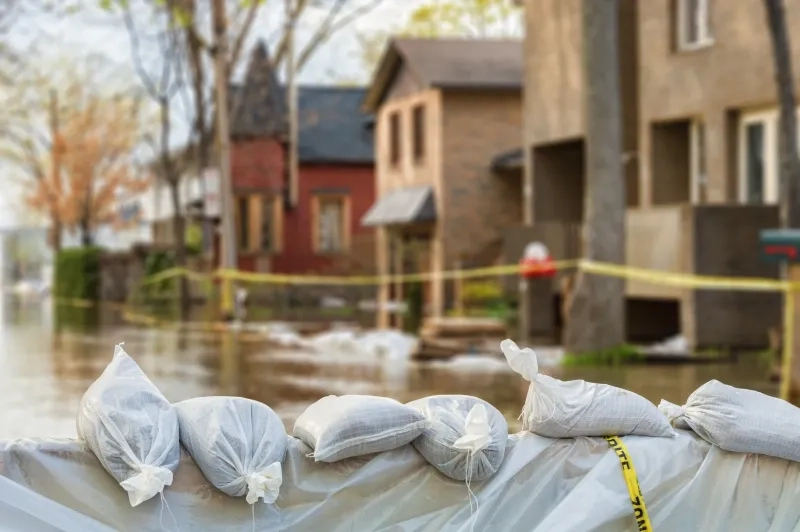
During a flood, personal and family safety come first. Monitor local news, radio, or weather sites for updates and follow evacuation orders. If you stay home, avoid walking, driving, or standing in moving water, which can be deeper and faster than it appears.
If it's safe to do so, move hazardous materials like pesticides, paints, and chemicals to higher ground to prevent spills and environmental contamination. Be mindful of electrical safety and never touch electrical equipment if you're wet or in water. Disconnect appliances before water reaches them to reduce the risk of shock or fire.
The Government of Ontario advises moving small appliances and furniture to higher areas less likely to flood and avoiding consuming food that may have been exposed to floodwater. If your septic system is underwater, do not use taps, showers, or toilets.
For more flood information and resources, visit our flood website.



