

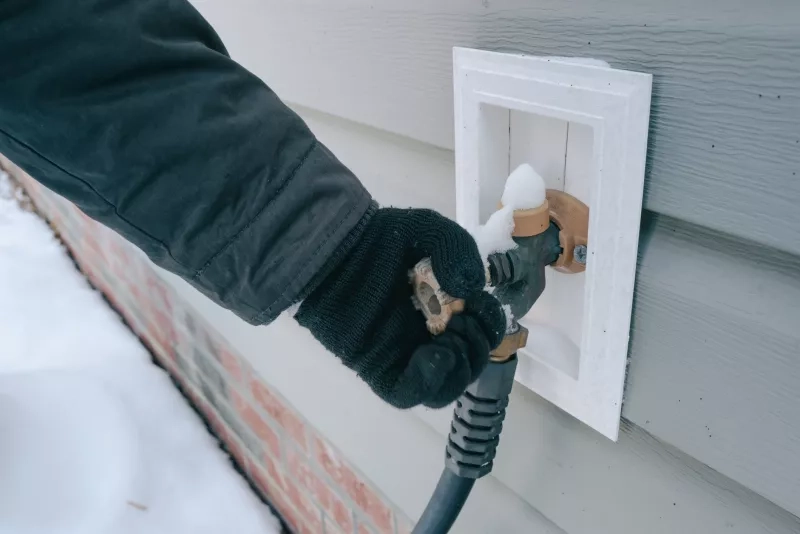
Avoid frozen pipes this winter with these tips
2 Minute Read
Summary
- Frozen pipes can cause significant water damage because ice expansion can lead to blockages or bursts.
- Shut off and drain outdoor water lines, disconnect hoses, and insulate exposed pipes in unheated spaces.
- Keep indoor heating at a steady 15°C, open cabinets to warm pipes, and safely thaw frozen sections if needed.
Did you know that frozen pipes can cause thousands of dollars in water damage? Winter weather brings unique challenges for homeowners, and frozen pipes are one of the most common and costly issues. When water inside a pipe freezes, it expands, potentially causing blockages or even bursts.
The good news? A little preparation can go a long way in protecting your home.
Turn off outdoor water sources
One of the first steps to winterizing your home is to shut off outdoor water faucets. Locate the shut-off valve inside your home and turn it off to stop the water supply to exterior faucets.
Once turned off, drain any remaining water from the pipes by opening the faucet outside—this helps prevent freezing and potential pipe damage during colder months. Don’t forget to disconnect garden hoses, drain them thoroughly, and store them in a dry place until springtime. Additionally, you may want to cover outdoor faucets with insulated covers for extra protection against freezing temperatures.
Inspect and insulate pipes
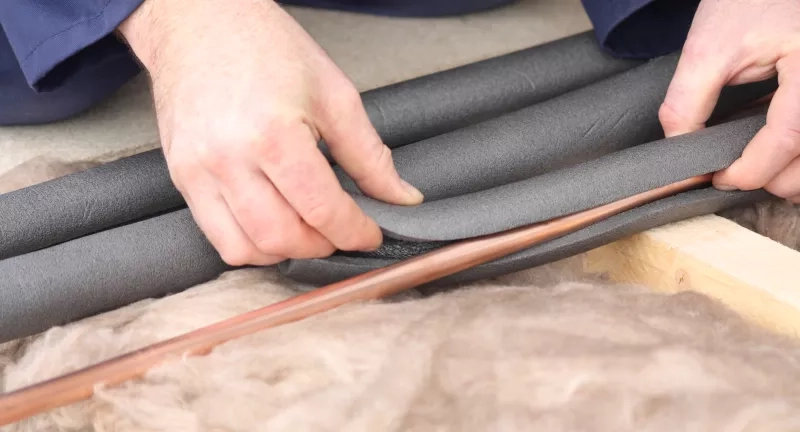
Examine pipes in unheated spaces, such as basements, garages, crawl spaces, or attics, as these areas are more vulnerable to cold temperatures. Unprotected pipes in these spots are at a higher risk of freezing during colder months, which can lead to costly damage.
To prevent this, wrap these pipes with proper insulation to reduce their exposure to cold air and maintain a stable temperature. Foam sleeves, or specialized pipe insulation, are excellent options.
Leave cabinet doors open
Leaving cabinet doors open can help circulate warm air around pipes under sinks, especially during freezing spells. This simple step allows the heat from your home to reach the pipes more effectively, reducing the risk of freezing.
Maintain indoor heating

It’s essential to keep your home’s indoor temperature consistent, even when you're away, to avoid damage from freezing temperatures. Set your thermostat to at least 15°C to help keep your pipes warm and prevent freezing and bursting.
What to do if the pipes freeze
If you encounter a frozen pipe, act quickly to prevent additional damage. Open the faucet to relieve any pressure in the pipe. Then, use a safe heating source, such as a hairdryer, heating pad, or space heater, to carefully warm the frozen section of the pipe. Start from the faucet and work your way down.
Avoid using tools such as propane torches, as they can be hazardous. If the pipe is inaccessible or shows signs of damage, it may be best to call a professional.
Signs of a burst pipe
If you notice water pooling in unusual areas of your home, hear strange noises from your plumbing or see a sudden drop in water pressure, these may be indicators of a burst pipe. Turn off your home’s main water supply immediately to mitigate flooding until repairs are made.
Prevention is key
A little effort today can save you from significant hassle and expense during the colder months. By weatherproofing your home and taking practical steps to protect your plumbing, you can avoid the stress and damage caused by frozen or burst pipes this winter.
This advice is intended to provide general information only and is not intended to provide legal or professional advice, or to be relied on in any dispute, claim, action, demand or proceeding. CAA Insurance Company or ICLR do not accept liability for any damage or injury resulting from reliance on this information.



