

How to prepare your home for extreme weather in Ontario
2 Minute Read
When it comes to extreme weather, are you ready to protect your home and loved ones? From hurricanes and tornadoes to floods and snowstorms, Mother Nature's unpredictable nature means it's important to take proactive steps to safeguard your property.
To help you prepare your home, we spoke with Elliott Silverstein, Director of Government Relations (Insurance) at CAA. He shared valuable insights on what you need to know before the next ice storm or summer derecho. From checking the trees on your property to knowing what to look for in your insurance policy, we’ll give you easy fixes and tips to ensure your home is ready for whatever Mother Nature throws your way.
Extreme weather events like last summer's derecho are occurring more frequently and causing significant damage to homes. Any advice on how to be prepared?
Last May, the derecho storm that hit Ontario and Quebec caused nearly $1 billion in insured damage and was the sixth-most-costly disaster in Canadian history. Predictions indicate that severe weather is becoming more common, so the first step is to accept that it’s not a matter of if but when.
Many municipalities have emergency preparedness plans readily available on their websites or by calling. They’re a great place to start because they tackle a wide range of issues and what individuals can do about them.
Get an assessment done on what needs to be upgraded or replaced. It could include roofing, fencing, guttering, and windows. The more you know, the better you can plan which projects to prioritize.
We recently had a major ice storm that took out hundreds of big trees right across the city. How important is it to anticipate what could happen in your own backyard?
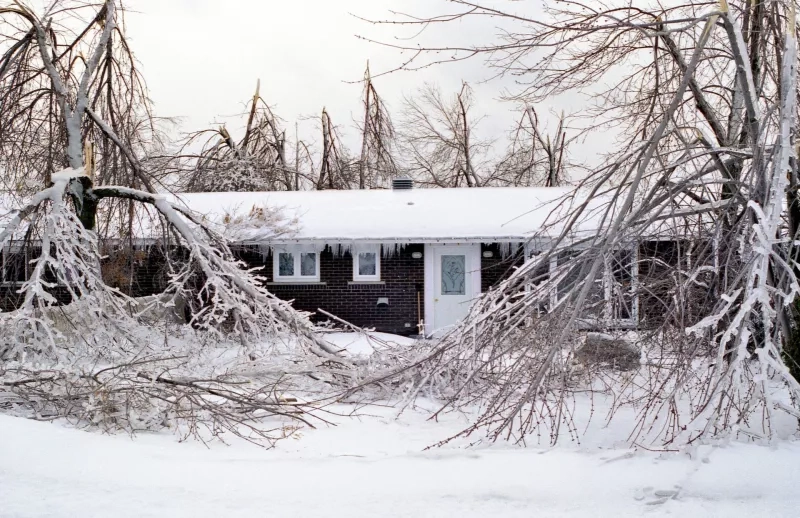
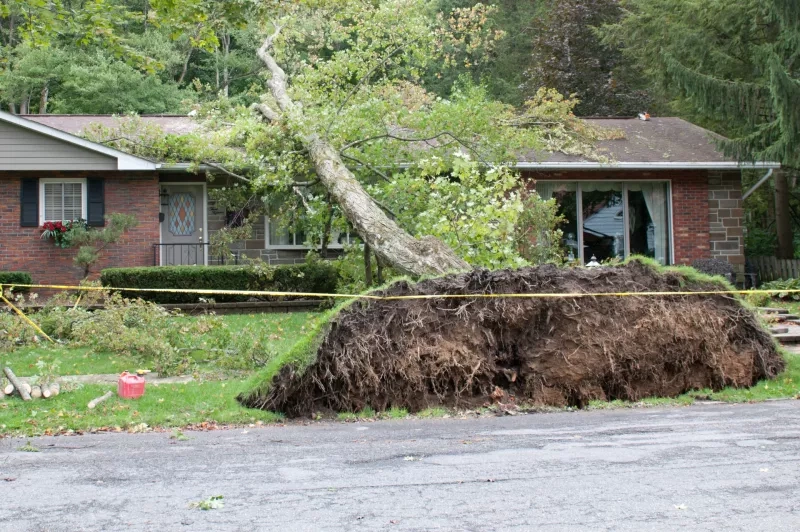
Mature trees are often the worst hit in violent storms, and they can take out hydro lines, damage cars, and destroy roofs. So, throughout the year, examine the trees surrounding your home and even consider hiring an arborist to assess and trim trees that could put your property at risk.
Also, inspect your garage, exterior windows, doors, and fencing. You want to ensure nothing is likely to come loose during high winds.
Next, take a close look at your driveway and garden. Are your driveway and patio properly graded away from the house? Does water have a clear path to flow with no blockages from drainpipes? And a good sump pump has saved many homeowners from costly basement and foundation repairs.
What other easy fixes can people think about?
The first step in preparing your home for extreme weather is to call your insurance company to review your policy. You should check to see what is covered before the storm season starts. If you need to adjust your coverage, it’s essential to do that before a storm hits your home.
Some things to consider include coverage for food ruined by electrical outages in the freezer or fridge, trees or shrubs being uprooted and needing to be replaced, and damage to detached buildings. And while you’re at it, review your auto insurance policy. Damage to your vehicle from hail or falling trees can be costly.
While CAA insurance agents can’t forecast the weather, they can answer questions and review your policy for free. Plus, CAA Members save 10% on CAA Home Insurance policies.



