

How to stay safe in extreme heat and wildfires
3 Minute Read
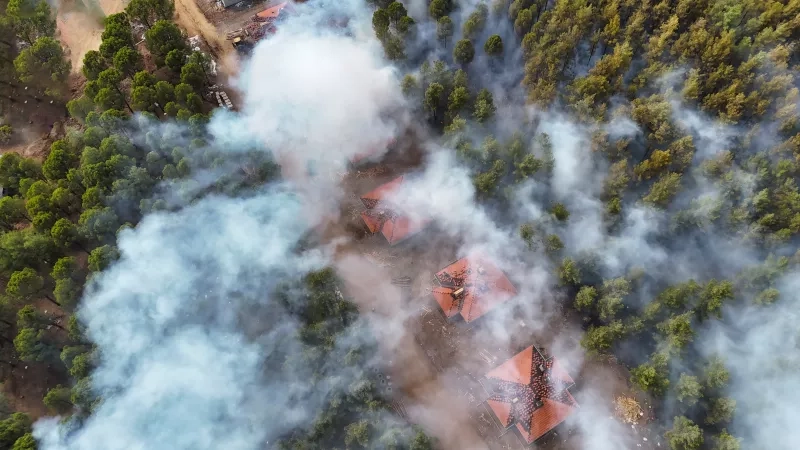
Fuelled by drought and rising temperatures, fast-spreading wildfires have forced thousands to evacuate communities across several Canadian provinces. The resulting smoke is deteriorating air quality and heightening health risks throughout Canada.
Wildfire season, which spans May to September in Canada, reached a record high in 2023. Dry conditions and extreme heat, exacerbated by climate change, underscore the importance of recognizing wildfire risks. While in Eastern Ontario, rising temperatures and changing weather patterns are increasing wildfire risk, complicating climate resilience efforts.
Protecting vulnerable populations—especially children and the elderly—has never been more urgent as extreme heat events are becoming more frequent and intense due to climate change.
Protecting the most vulnerable
Children and the elderly are at higher risk during heat waves because their bodies have a reduced ability to regulate temperature. Experts recommend wearing a fitted N95 mask if exposed to wildfire smoke and using a portable air filtration system indoors.
To keep them safe:
-
Stay hydrated: Ensure they drink plenty of water.
-
Cool environments: Keep them in cool, shaded areas.
-
Monitor health: Regularly check for signs of heat-related illnesses, such as dizziness, nausea and excessive sweating.
-
Community support: Utilize community resources such as cooling centres and wading pools, and check on neighbours who may need assistance.
Simple strategies to cool your home without AC
Not everyone has air conditioning, but there are ways to keep your home cool:
-
Use fans and natural ventilation: Create cross-ventilation. Open windows during cooler parts of the day.
-
Create shade: by using curtains, blinds, or reflective window films. Plant trees or install awnings.
-
DIY cooling techniques: Use cold packs, damp cloths, or take cool showers.
-
Energy-efficient landscaping: Vegetation is fuel for fire. Implement landscaping techniques that reduce heat absorption, such as using light-coloured materials and planting drought-resistant plants.
Protecting your home from wildfires
Regular home maintenance can minimize your fire risk—about 90 per cent of homes damaged by fire are caused by embers and sparks igniting material around the home. CAA Insurance says to remove all flammable materials from around your home. Be aware of the home ignition zone (HIZ), divided into the following three zones:
-
Red or immediate zone: Includes your home and the area extending 1.5 metres from it. Regularly clean gutters and roof corners. Install mesh screens to minimize debris accumulation and keep grass cut short. Use non-combustible surfaces such as stones or pea gravel instead of wood chips and mulch.
-
Orange or intermediate zone: Located 1.5 to 10 metres from your home. Maintain your yard and remove dry debris. Choose fire-resistant plants and plant them at least 1.5 metres apart to minimize fire spread.
-
Yellow or extended zone: Extends from 10 to 30 metres around your home. Space trees at least three metres apart. Regularly prune trees and thin vegetation. Extra precautions are necessary if you live on a hill, as fire moves faster up the slope.
For more information about what else you can do, check out the National Fire Protection Association’s Preparing Homes for Wildfire. Revisit your emergency plans regularly and ensure you are prepared for fire safety.
Ottawa’s climate resiliency strategy
As extreme heat becomes more pressing, it’s crucial to protect the vulnerable and stay cool. By implementing home cooling strategies, leveraging community resources and supporting climate resiliency initiatives, the City of Ottawa aims to build a safer future. Ottawa’s climate resiliency strategy targets managing heat risks by 2050 through:
-
Urban greening: Increasing green spaces and tree canopy coverage.
-
Infrastructure upgrades: Enhancing cooling infrastructure in public buildings and transportation systems.
-
Community engagement: Encouraging participation in climate action plans and providing resources for personal preparedness.
By taking these steps, we can ensure a safer environment for ourselves and future generations.
This advice is intended to provide general information only. It isn’t intended to provide legal or professional advice or to be relied on in any dispute, claim, action, demand or proceeding. CAA Insurance Company doesn’t accept liability for any damage or injury resulting from reliance on this information.



