

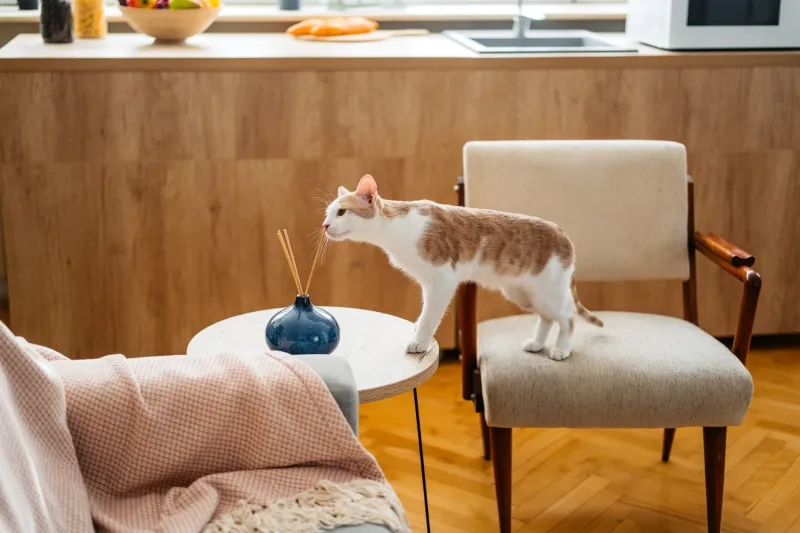
Love scented products? Here’s why your pets might not agree
5 Minute Read
Summary
- Pets have highly sensitive noses, making strong scents and harsh chemicals uncomfortable or harmful.
- Scented products, essential oils and artificial fragrances can trigger pain, toxicity or long‑term health issues; vets warn.
- Experts say to avoid harsh cleaners, ensure ventilation and choose pet‑safe, neutralizing products instead.
We love our pets, but let’s be honest—sometimes they stink. If your furry, feathered or scaly friends have made your home smell funky, you’re probably seeking some solutions. However, you might not know how scented products can affect your pet’s health.
Products containing strong scents, harsh chemicals or toxic essential oils can be highly harmful to animals. Pets, especially cats and dogs, have more sensitive noses than humans do, so a smell that’s pleasant for you can be uncomfortable or even painful for them. Exposure can also cause long-term health issues.
Do your research to ensure any spray, candle or oil is safe. Information online can be confusing and conflicting, so you should always contact your vet before using scented products around your pet.
When in doubt, remember that less is more when it comes to using scents in a pet-friendly home.
Eliminate pet odour safely
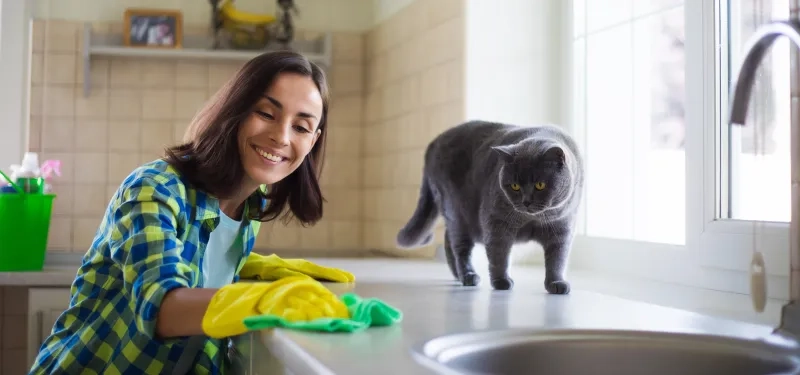
While it might be tempting to just cover smelly pet areas with fresh scents, the best way to eliminate odours is to keep those spots clean. But if you’ve scrubbed everything and you can’t get rid of that lingering smell, here’s what you can do.
Pet-safe, water-based cleaners from trusted brands can also be a good option for stubborn smells. Look for one that neutralizes rather than masks odours. Avoid harsh chemicals like bleach, parabens, phthalates, artificial fragrances or strong alcohols. For accidents on carpets, couches, or car seats, look for an enzyme cleaner that breaks down the mess.
Be careful, though, whether you’re using a harsh or gentle cleaner, the product can transfer to pets’ fur or paws. To avoid this, ventilate the room and keep pets out until the product has fully dried.
Baking soda is also great for eliminating smells, though you might not notice an effect straight away. Don't apply directly to pet areas—it can be toxic to pets and even cause respiratory issues if ingested or inhaled. Instead, put a bowl out of reach and let it work its magic, soaking up airborne smells over a few days.
If your home is clean but you need a scent boost, you could try a pet-safe air freshener. Air purifiers can also reduce odours and improve the air quality in your home, allowing you—and your pet—to breathe easier.
Dos and don’ts of candles, simmer pots and essential oils
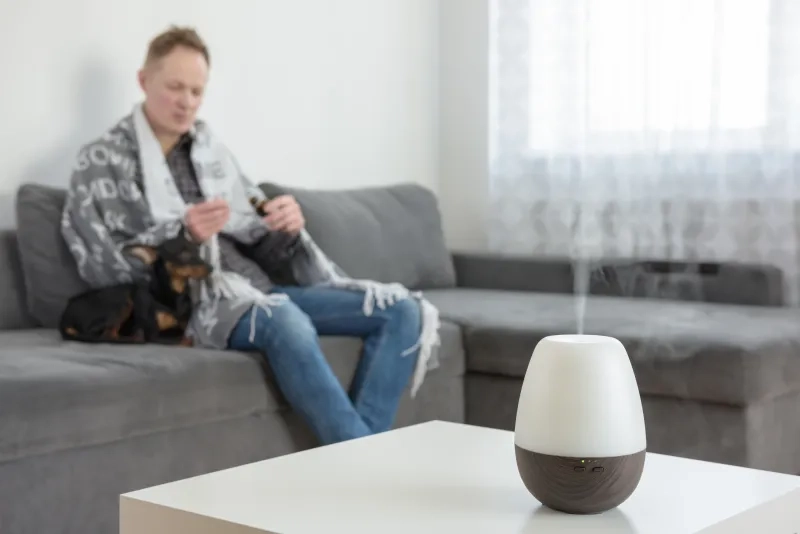
Although essential oils may create a pleasant aroma in your home, they can be seriously dangerous for pets. The oils are so concentrated that most are toxic to animals, especially in high doses—so be very cautious.
Want to create a cozy ambience in your home without the risk? Opt for simmer pots or candles with natural ingredients instead. Simmer pots can be made with natural household ingredients, but check which ones are safe for pets first. Candles containing 100 per cent soy, beeswax, or coconut wax, with cotton wicks, are best. Avoid paraffin wax, synthetic dyes, and strong chemical fragrances.
When burning a candle or running a diffuser, do so in a well-ventilated room that your pet can’t enter and let the scent disperse completely before allowing them back into the space. Dilute essential oils and use a machine with a timer to control the release. Whether you’re burning a candle or running a diffuser, keep it out of reach, so your pet doesn’t knock it over.
If you’re using scented products on yourself, wait until they fully absorb into your skin before interacting with your pet. You might accidentally transfer the product to their fur, or they could ingest it by licking you, causing severe respiratory or digestive harm.
What scents to avoid around pets
Generally, opt for naturally scented products, but don’t assume something is safe just because it’s derived from plants, fruits, or flowers. What is considered “safe” for your pet depends on the kind of animal and any unique health conditions your pet might have.
Some natural products can be extremely toxic to animals, even though they may not contain synthetic chemicals. Common scents to avoid include eucalyptus, lavender, citrus (orange, lemon, lime, bergamot, and even lemongrass), mint (peppermint, wintergreen, spearmint), cinnamon, pine (spruce, juniper, yew), and tea tree.
Certain herbs and spices like clary sage, clove, mustard, oregano, hyssop and rosemary, while common in your kitchen, can be harmful to pets. You should also avoid plant-derived oils such as bitter almond, calamus, geranium, horseradish, pennyroyal, rose, sandalwood, sassafras, sweet birch, wormseed and ylang-ylang.
Signs your pet may be having a reaction
When using scented products in your home—whether that’s cleaners, candles, oils or creams—always monitor your pet’s behaviour. Skip strong-smelling foods altogether if your pet has asthma, allergies, or other respiratory conditions.
Remember not to use most products, especially essential oils, around cats or caged pets. Cats self-clean, meaning they can ingest oils present on their fur that could either transfer from your skin or be absorbed from the air. As they don’t have the right liver enzymes to break down these oils, they can accumulate and cause a buildup of toxicity.
Signs that a scented product is causing distress include fatigue, weakness, drooling, sneezing, scratching, difficulty breathing, wheezing, change in appetite, tremors and vomiting. You may notice pets avoiding scented areas. Products like essential oils can also cause chemical burns if they come into contact with or are ingested by your pets.
Misuse of scented products can poison your pet, causing long-term respiratory, liver and even nerve damage. If you notice any signs of discomfort or distress in any pet, stop using the product immediately, remove them from the source of the scent, and consult your vet.
Does pet insurance cover that?
Even with the safest home scent choices, accidents can happen.
Pet insurance can help cover the cost of unexpected vet bills. Did you know CAA Members save 13.5% on Pet Insurance plans*? Call 1-833-323-2456 or get a quote online to get started.
* Members receive a discount of 13.5% off. Non-members receive a discount of 9% off.
All pet insurance plans have limitations and exclusions. Specific products, features, rates, and discounts may vary by province and territory, eligibility, and are subject to change. Medical Conditions that are noted, symptomatic or diagnosed prior to enrollment, or during a waiting period are pre-existing to Coverage and not eligible for reimbursement. Waiting periods, annual deductible, co-insurance, benefit limits and exclusions may apply. This advertisement is an outline only; policy terms and conditions 'User Guide' will prevail. For all terms and conditions visit: https://www.petsplusus.com/service-claims/brochures-guides
Pets Plus Us Pet Insurance policies are underwritten by Northbridge Insurance, distributed by PTZ Insurance Services Ltd. & Société d'Assurances Collectives (Sodaco) Inc. in Quebec.Sodaco is registered with Autorité des marches financiers as a Damage insurance broker firm, in the following disciplines: Insurance Damage (Broker) and Personal Insurance (Reg#603622) https://lautorite.qc.ca/en/general-public/registers/register-of-firms-and-individuals-authorized-to-practice Pets Plus Us Pet Insurance is available in all provinces and territories. Pets Plus Us®, Pets Plus Us & Design and related words and logos are trademarks and the property of PTZ Insurance Services Ltd.
® CAA trademarks are owned by, and use is authorized by, the Canadian Automobile Association.
