

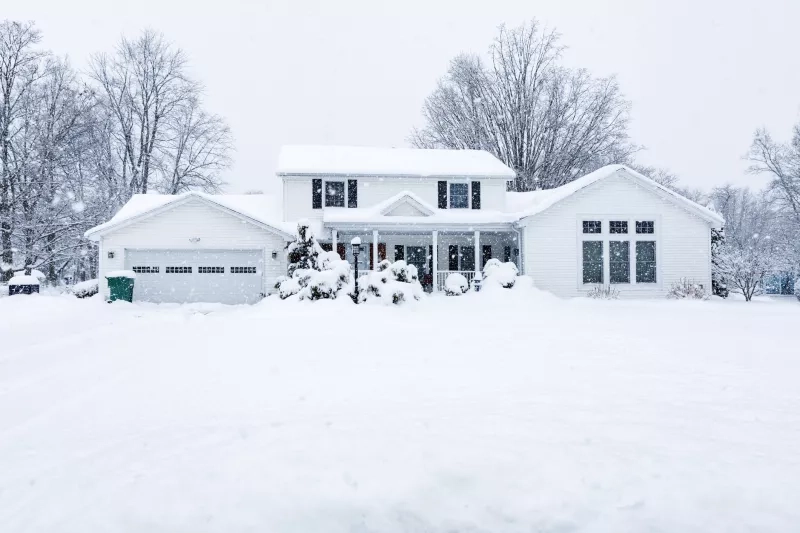
Snow or ice piling up? Protect your roof from winter damage
3 Minute Read
Summary
- Accumulating snow, ice and freezing rain can overload a roof, threaten its structural integrity and cause costly damage.
- Excess weight from uneven snow, ice dams and clogged gutters increases stress on roof systems and can lead to leaks or collapse.
- Warning signs—such as leaks, door-frame pressure, new wall cracks or a sagging ridge line—signal that snow and ice should be removed promptly.
Snow might look beautiful as it blankets your neighbourhood, but it can spell trouble for your roof. While those soft, delicate flakes seem harmless, the weight of accumulated snow, ice, and freezing rain can quickly threaten your roof’s structural integrity.
Without proper preparation, winter’s harsh elements could lead to costly damage. Regular inspections, proactive maintenance, and preventative measures are key to keeping your roof sturdy and your home protected all season long. Here's how to ensure your roof is ready to withstand winter’s worst.
Understanding the causes of roof collapse
Your roof is your home's first line of defence against winter weather, so keeping it in good condition is essential. One common problem is too much snow piling up, which can make your roof carry more weight than it should. Wind can make the snow pile unevenly, adding extra stress. If rain freezes on top of the snow, the weight increases even more.
Ice dams can also form along the roof's edges, blocking water from draining correctly, causing water to pool, and damaging the roof.
Clogged gutters make things worse by allowing more ice to build up, adding more strain.
Recognizing signs of roof stress
Spotting early warning signs of roof stress can help you tackle minor issues before they become significant problems. After heavy snowfall or ice storms, keep an eye out for these indicators:
-
Leaking water: Look for moisture, dripping, or mould in the attic or on ceilings.
-
Door frame pressure: Difficulty opening interior doors could signal structural strain from heavy ice or snow load.
-
New cracks in walls: Cracks in drywall or plaster can be a red flag for excessive roof stress.
-
Sagging ridge line: A dip along the peak of a sloped roof could indicate that it is bearing too much weight.
If you observe any signs, reducing accumulated snow and ice can help protect your roof from long-term damage.
Steps to prevent roof collapse
Preventing roof collapse starts with understanding your home’s specific risks. The Institute for Catastrophic Loss Reduction explains that flat and low-sloped roofs are more prone to snow and ice buildup than sloped roofs, which naturally shed snow. Even steep roofs can gather snow in flatter areas or around features such as skylights and chimneys.
Another key factor is your roof’s weight capacity. Most Canadian roofs are designed to support at least 97 kilograms per square metre, but snow and ice weights can vary significantly. Light, fresh snow may weigh about 112 kilograms per cubic metre, while compacted snow or ice weighs much more. Snow soaked by freezing rain can add substantially to the load. Monitoring conditions and reducing the load when necessary is crucial for roof safety.
Keeping your roof in shape
A well-maintained roof is better equipped to handle the challenges of winter. Regular maintenance helps prevent problems before they arise. Before winter, inspect your roof for signs of wear or weakness.
Ensure gutters and downspouts are clear of blockages to allow proper drainage and prevent ice dams.
Safely removing snow and ice
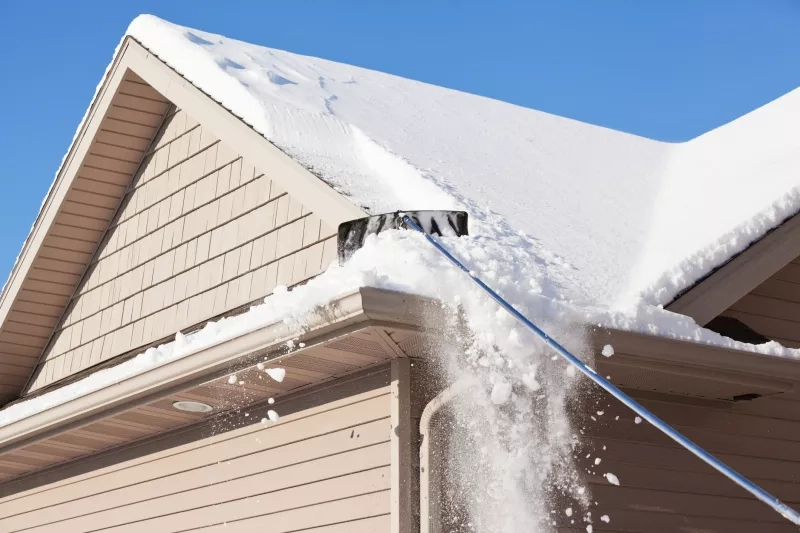
Heavy snow or freezing rain can add significant weight to your roof, making timely removal crucial. A snow rake with an extendable handle is a safe and effective tool for sloped roofs. Clear snow in sections to distribute the load evenly, leaving about 5–7.5 centimetres behind to maintain proper drainage and avoid damaging the roof surface.
To prevent ice buildup, consider installing electric heating cables to minimize ice formation on suitable roof types. These systems should be professionally installed to ensure compatibility and safety. Chemical de-icers are another option to improve drainage, but use them carefully and follow safety guidelines.
Remember that clearing snow and ice yourself can be dangerous. Hiring a licensed and insured contractor ensures the task is handled safely and efficiently.
With regular maintenance, thoughtful snow and ice removal, and attention to potential issues, you can protect your roof from damage and enjoy a worry-free winter.
This advice is intended to provide general information only and is not intended to provide legal or professional advice, or to be relied on in any dispute, claim, action, demand or proceeding. CAA Insurance Company or ICLR do not accept liability for any damage or injury resulting from reliance on this information.



