

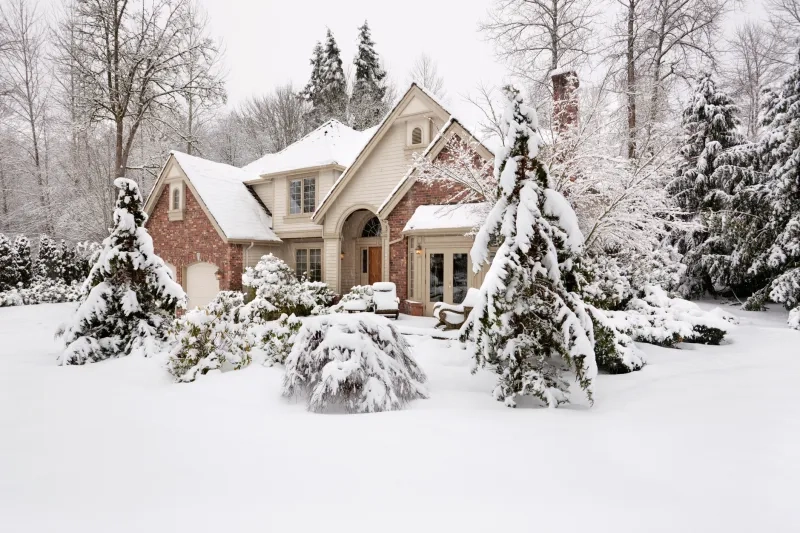
From snowfall to snow melt, here’s how to protect your home after a winter storm
3 Minute Read
Summary
- Ice dams, water damage, and structural strain often emerge after storms as snow melts.
- Frozen pipes, mould growth, and uneven snow loads can create hidden and costly hazards.
- Post‑storm inspections, ice clearing, and driveway checks help prevent further damage over time.
When the storm clears, you may think your home is safe so long as there’s no immediate damage. But the last thing you want is for the long-term effects of that storm to continue impacting your property days or weeks after the clouds part.
It’s easy to believe that preparing your home for a storm and creating an emergency plan is enough, and that you’re in the clear so long as there are no immediate problems. However, even if the damage isn’t visible, like shingles on your lawn or tree branches on your roof, post-storm impacts can cause costly issues for your property once the snow settles.
What to look out for
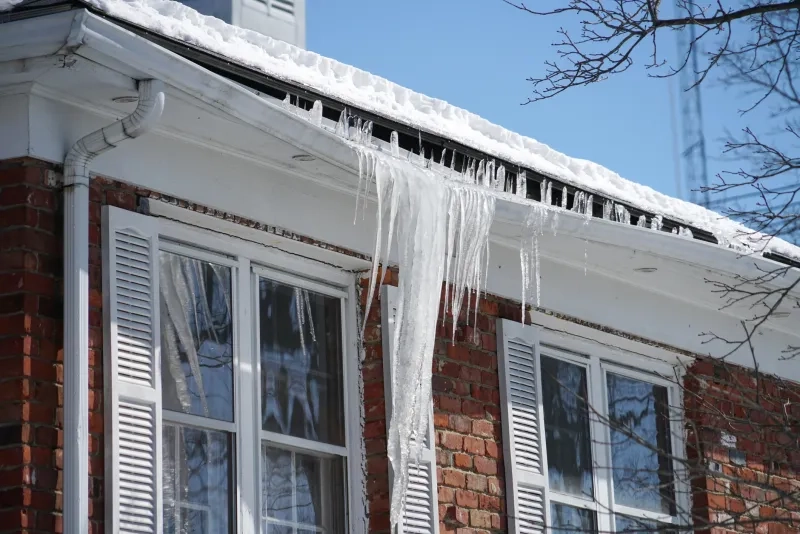
Ice dams, water damage and structural issues can all manifest after a blizzard or ice storm.
When snowmelt creates blocks of ice along the edge of your roof that prevent proper drainage, this is called an ice dam. Water accumulates and forms a reservoir that will continue growing as it refreezes. With nowhere to go, the water can also seep beneath your roofing tiles, causing leaks and an expensive fix come spring.
Several factors, including ice dams, can cause water damage. Frozen pipes can also be a culprit if they back up, crack, or burst, especially in areas that can reach subzero temperatures, such as basements and garages. And where there’s water left unchecked, there’s mould, which can be detrimental to your health and the integrity of your home.
Heavy snow buildup, also called snow load, may strain structural components like roof beams. Be wary of uneven snow accumulation from wind and snowdrifts, especially if your home is surrounded by taller buildings that could deposit snow on your roof. You should also pay particular attention if your roof has unique features like gables, which can store snow in valleys and hold stress unevenly.
In general, you’ll want to look out for the freeze-thaw cycle, where water in small cracks expands when frozen, worsening the damage as it melts and refreezes. This can impact driveways, patios, pipes, gutters and more.
How to prevent damage
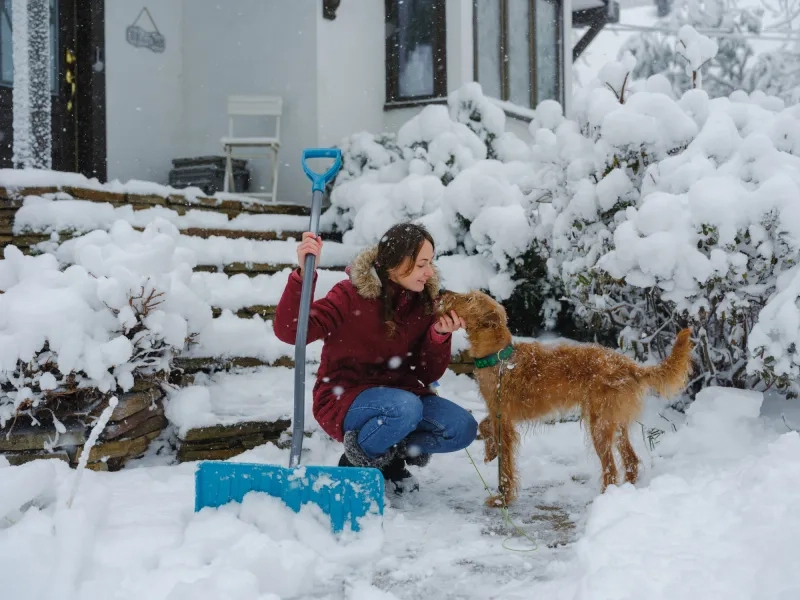
After a storm, you should conduct a home inspection as soon as it’s safe to do so. That way, you can catch minor issues before they become major problems. The longer you wait, the more likely it is that costly damage will occur—and the worse the damage will get.
Start by shovelling driveways and walkways, looking closely for cracks. Throw down some salt to prevent slips, and chip away ice buildup to avoid having to patch the pavement in spring. Be careful not to overexert yourself when shovelling. Next, do a lap around the exterior of your home, checking for cracks in the foundation or water seepage. You can usually spot this by looking for damp spots and discolouration.
Take a good look at your roof, too. From the ground, carefully clear snow with a roof rake to prevent stress and ice buildup. Make sure your gutters are free of snow and ice to ensure proper drainage as water accumulates, and to prevent them from detaching altogether. Icicles can be indicators of ice dams, so pay extra attention when you see them forming.
If you notice an ice dam, you should enlist the help of a professional, as at-home solutions like chipping ice away manually will damage your shingles. In the future, the best way to prevent these blockages altogether is to insulate your attic so heat rising from within the home doesn’t unevenly melt snow on the roof.
You'll also want to have a look at the trees on your property. Clear away fallen branches and examine the tree itself to make sure it’ll be stable enough to get through the winter. Check for cracks in the trunk, dead boughs and holes made by insects or birds as indicators that the tree may cause damage to your home next time it storms. Just like your roof, snow load can hurt trees too, so shaking snow off trees and hedges with a broom can prevent branches from snapping.
Transition inside to look for leaks, water stains and frozen pipes. You should also check utilities like gas and power to ensure they’re intact.
Keep an eye on these areas throughout the winter—problems might not appear until the spring thaw.
This advice is intended to provide general information only and is not intended to provide legal or professional advice, or to be relied on in any dispute, claim, action, demand or proceeding. CAA Insurance Company does not accept liability for any damage or injury resulting from reliance on this information.



