

What to do if your house floods in Ontario
3 Minute Read
Summary
- Floods threaten 20 per cent of Canadian homes annually, driven by storms and rapid snowmelt.
- Prioritize your safety: Follow evacuation orders, shut off utilities, and avoid hazards.
- Document damage, clean safely, and consult professionals for recovery and prevention.
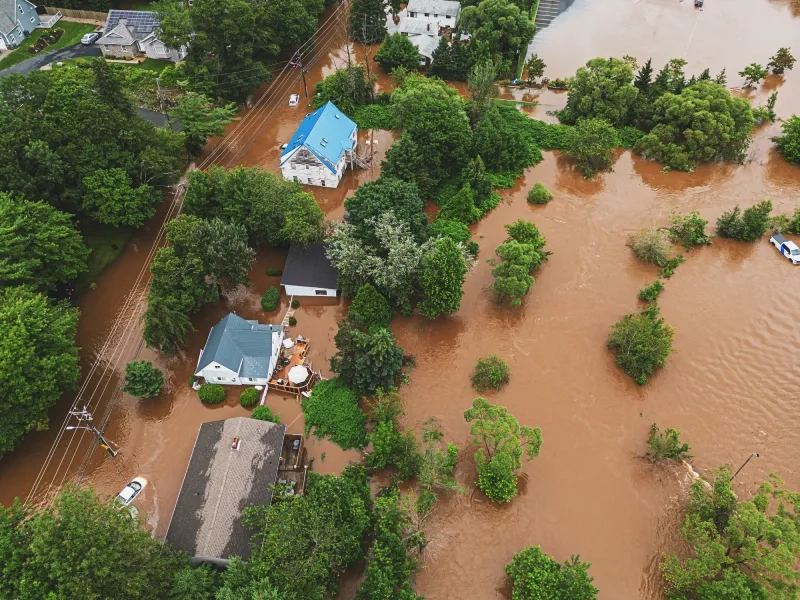
Floods are the most frequent natural disaster affecting Canadian homeowners, with the Government of Canada reporting that 20 per cent of homes are at risk.
Each year, heavy rainfall, rapid snowmelt, and severe storms put homes at risk of flooding. Learning about flood risks in your neighbourhood and the proactive steps you can take can help protect your home and loved ones.
Immediate steps: safety first
Your safety is a top priority during floods. Be sure to listen to updates from local municipalities and conservation authorities. Have your emergency kit ready and be prepared to follow evacuation orders promptly. For travel information and to plan your safest route, check the Ontario 511 online map or inquire by phone.
Before leaving your home, familiarize yourself with the steps to take, such as how to turn off water mains, electricity and gas. Only turn off the power if you can access the breaker panel safely.
After the flood, follow your local municipality's instructions on when it is safe to return. Confirm with local authorities or professionals that your home is structurally sound and free of hazards. Do not enter any areas affected by flooding until they have been inspected and declared safe by a qualified professional.
After you have received clearance to re-enter your home, check for the source of flooding. Address urgent plumbing problems by shutting off your main water valve if you haven’t already. For electrical safety, do not enter areas where water may have reached outlets or appliances if the electricity is still active. If water blocks safe access, stay clear and contact your hydro supplier to disconnect power at the meter.
If you notice a gas smell or suspect a leak, leave the building immediately and call your utility provider from a safe location. Do not try to repair a gas leak yourself. If your home uses a private well, wait until a qualified contractor has tested and disinfected the water and the water levels are back to normal before using it for drinking, cooking, or bathing.
The cleanup
Cleaning up after a flood can be overwhelming, but an organized approach helps. Your first step is to document all damage with clear photos or videos and a detailed inventory of affected items. If possible, leave belongings in place for your insurer to assess. Contact your insurance provider before starting any cleanup or repairs to support your claim. Keep receipts for any services you hire (plumbers, electricians, or cleanup crews) and file your claim promptly.
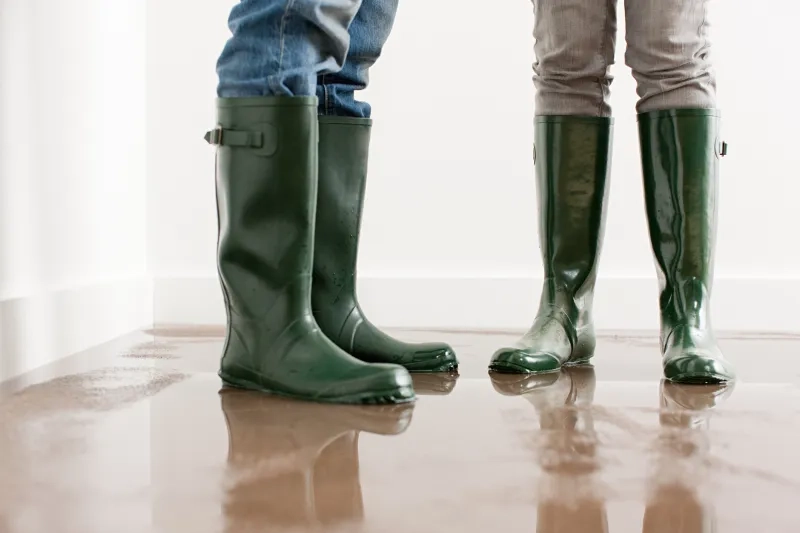
Make safety a priority. Flood water may contain chemicals, sharp debris, or harmful bacteria. Wear tall rubber boots, gloves, and eye protection. Prepare cleaning supplies, including mops, sponges, garbage bags, buckets, and soap and water, for furniture, walls, and floors.
Remove standing water next. Use submersible pumps or wet/dry vacuums if the job is safe and manageable. For large amounts of water, contaminated areas, or if you lack the right equipment, hire a professional restoration service. When in doubt, consult an expert. After water removal, use fans and dehumidifiers to help dry your home and prevent mould. Only use gas-powered equipment in well-ventilated areas with a working carbon monoxide alarm—open doors and windows to increase airflow and speed drying.
After the area is dry, begin cleanup. Clear away debris and remove items that are soaked or heavily soiled. Decide which furniture and belongings can be salvaged, and dispose of contaminated or non-dryable items in accordance with local guidelines. Throw away any food that has come into contact with flood water, even if it is sealed. Remove water-damaged flooring, and if flooding was deep or slow to drain, consider removing affected sections of finished walls.
Long-term recovery
When cleanup is complete, shift your attention to repairs and rebuilding. For extensive damage or to ensure thorough cleaning and restoration, hire a professional flood restoration company. Your insurance adjuster can recommend reputable contractors to help with the process.
Never use electronics, switches, or appliances that have come into contact with water. The Ontario Government advises that only a licensed professional should inspect and approve these items before use.
Before launching into major repairs, consult your insurance company and local municipality to arrange home inspections and obtain any necessary building permits. Local officials can advise you on submitting plans and scheduling inspections, ensuring your rebuilding process meets all legal requirements.
Additional resources
Recovering from a flood is emotional and can take a toll on your well-being. Feeling stressed or overwhelmed is a normal response to disaster. If you need support, talk to someone you trust or connect with a professional. The Ontario Government provides mental health resources to help you and your family navigate the recovery process.
You may also be eligible for provincial disaster recovery assistance. Visit Ontario's disaster recovery assistance page to see if you qualify.
Take steps to safeguard your home against future flooding, and explore our flood resource page for more expert tips and support.



