

What to do in a natural disaster
3 Minute Read
Summary
- Knowing what to do before, during, and after a natural disaster helps reduce injury, confusion, and property damage.
- Having an emergency plan, a 72‑hour kit, and a clear meeting place supports faster, safer decision‑making in a crisis.
- Staying informed through local alerts and following guidance specific to hazards like floods, tornadoes, or wildfires improves overall safety.
Though Canada may not have volcanic eruptions or monsoon rains, federal data shows that our country still averages about a dozen natural disasters a year, including tornadoes and floods. Here's how to ensure you're ready when bad weather hits.
Experts say the number of natural disasters will increase as climate change prompts more extreme weather—and it’s important for Canadians to be prepared. “Disasters are more common, and when they do happen, they’re bigger,” says Joshua Bezanson, a physician and the host of the podcast Emergency Preparedness in Canada (EPIC). “Just playing the odds, it’s increasingly likely that you will be directly affected.”
There are four types of extreme weather you may encounter in Canada.
Floods
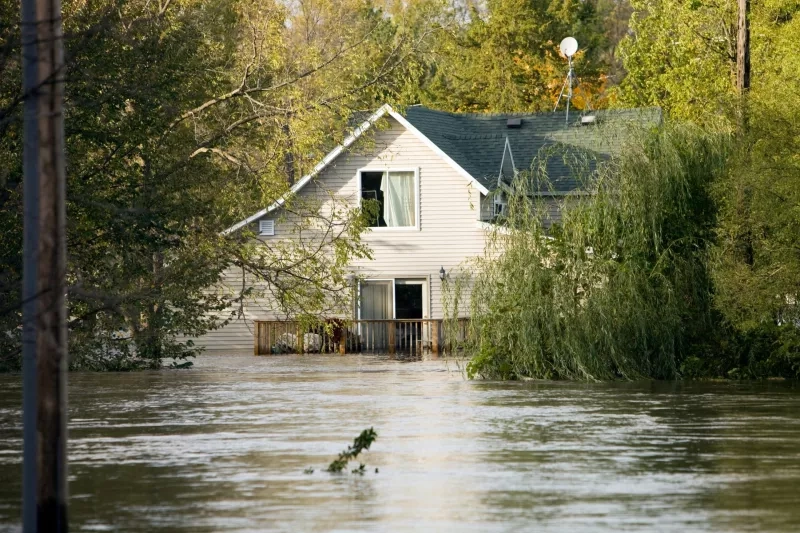
As flooding is the most common natural disaster in the country, Jim Montgomery of the non-profit group Community Disaster Response Ontario recommends putting well guards around your basement windows. He also suggests installing both a sump pump, which prevents water from pooling in your basement, and a backflow valve, which blocks sewage from entering your house. If flooding is imminent, move your furniture, valuables and family keepsakes above ground level. Do not attempt to turn off your home's electricity if the water is rising, as this could result in a fatal shock.
Tornadoes
The prairies and southwestern Ontario are especially fertile ground for twisters. If you live in a high-risk area, tune in to your local radio station during severe thunderstorms and pay attention to emergency alerts on your mobile device. If one hits and you're at home, take refuge in the basement, or if you don't have one, a small ground-floor room, like a bathroom. If you're in an apartment or office building, seek shelter in an inner hallway or a low-floor room. If you're driving, look for the nearest sturdy shelter. If there isn't one, leave your car and hide in a low-lying area, like a ditch.
Wildfires
Devastating blazes are expected to become more common as Canada’s climate changes. If you live in a rural area, remove fallen branches, dried leaves and other potential fire hazards from around your home to avoid sparking a fire.
If a wildfire is approaching, close all doors and windows and cover your air vents. Turn on any sprinklers installed on your roof, shut off the natural gas if you have it, and move propane barbecues away from your house.
Park your car facing away from your home in case it rolls, and turn your wheels to the right. Follow any evacuation orders, too. For an up-to-date map of wildfires, visit the Canadian Interagency Forest Fire Centre website.
Ice storms
Freezing rain is detrimental to the power grid. Too much, and it can topple trees and power lines, leading to blackouts that can last days or even weeks. If a severe storm is in the forecast, the Red Cross recommends preparing your emergency kit, and your chimney, generator, or battery pack, if you have one. Venture outside only if you have to. If you do, be on the lookout for downed power lines and wobbly tree branches.
Be proactive
Research hazards in your immediate area and conduct a risk assessment. The government has emergency preparedness websites that outline which neighbourhoods are prone to flooding, forest fires and other extreme weather conditions (getprepared.gc.ca). Develop an emergency plan tailored to your home and family. Refresh the plan twice a year, once in early winter and again in early summer, so you know what to do in every season.
Ensure your home insurance policy covers damage caused by natural disasters. CAA Insurance1 provides complimentary policy reviews, regardless of your insurer. Call 1-888-545-7254 and speak to a Licensed CAA Insurance Agent for a complimentary policy review, or visit GetCAAInsurance.ca for more information.
1 Property Insurance is underwritten by CAA Insurance Company. Certain conditions, limitations and underwriting guidelines apply.
®CAA trademarks are owned by, and use is authorized by, the Canadian Automobile Association.



