


Your ultimate apartment move-out checklist
5 Minute Read
Summary
- Ontario tenants must provide a written N9 notice, typically 60 days before move‑out, and keep a copy for their records.
- Declutter early, measure furniture for the new space and donate or sell unwanted items to avoid moving unnecessary clutter.
- Pack strategically by labelling boxes clearly, preparing an overnight essentials bag and completing a deep clean to help secure your deposit.
For many of us, a move-out is an adventure—equal parts excitement and total chaos. Maybe you’ve misplaced your car keys in a box labelled “kitchen,” or can't find the rolls of toilet paper among mountains of stuff. But whether you’re upgrading to a starter house, getting your first solo place or looking for a change in location, moving out of your apartment is also a fresh start.
With a bit of foresight, you can start your new beginning the right way—clutter-free and with a security deposit in your pocket. To ensure a smooth move, here's what to think about as you pack up your place.
Kick things off by giving proper notice
Once you’ve decided that you’re officially leaving your place, step one is notifying your landlord that you’ll be vacating the unit. In Ontario, tenants are required to give official written notice using the N9: Tenant’s Notice to End the Tenancy.
The Government of Ontario says you generally need to provide 60 days’ notice, but always double-check your lease to be sure. Clearly state your intended move-out date in your notice and keep a copy for your records.
Declutter and double-check your furniture
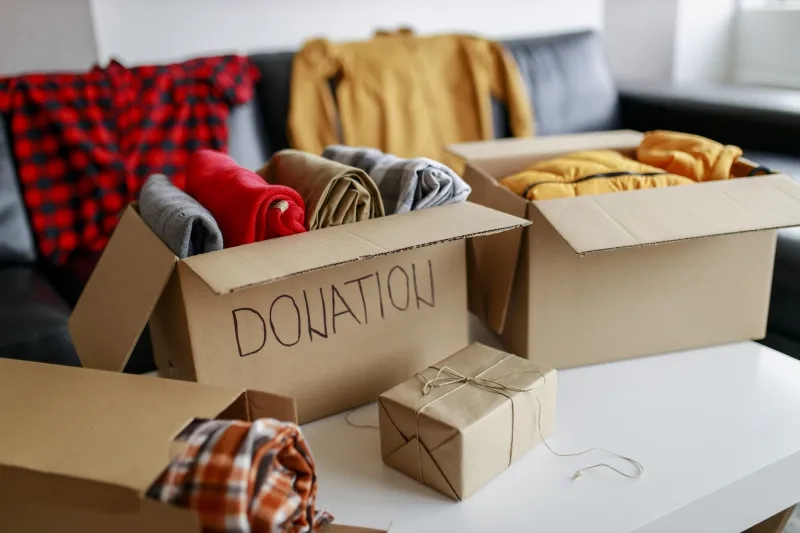
Before you begin packing, start by decluttering each room. Create piles to keep, sell, donate or toss—this will prevent you from bringing unnecessary junk into your new home. You’ll likely have to reevaluate your furniture as well. Measure any large items to ensure they work in your new space and avoid lugging a couch across town only to find it doesn’t fit!
Donate usable items through organizations like Matthew House or Habitat for Humanity ReStores and sell what you can on apps such as Facebook Marketplace or Kijiji.
Pack smart and avoid stress

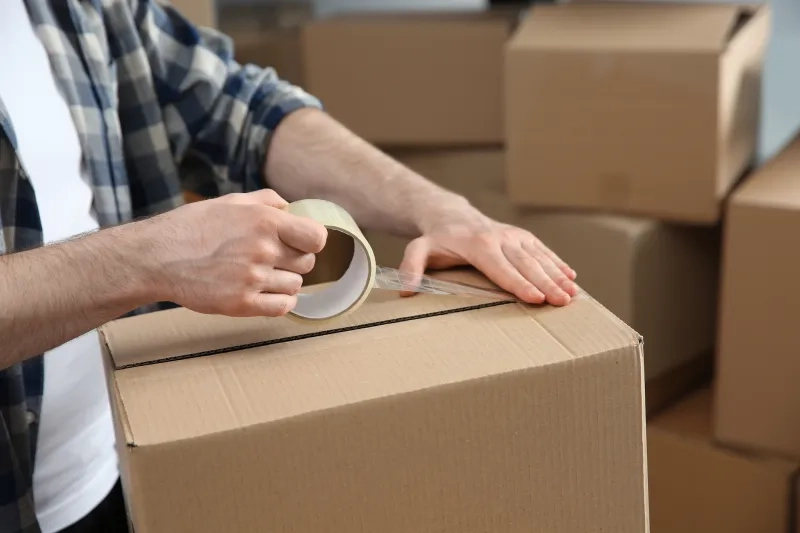
Pick up important items like boxes, tape and bubble wrap, but resist the urge to buy anything unnecessary. Remember to pack tools and cleaning supplies last.
As you go, create a moving inventory of major items and their box locations. Label each box clearly with its contents and destination room, using detailed descriptions such as “bedroom: linens & pillows” rather than just “bedroom.” Your future self will thank you.
Make a bag for moving day
Although it might seem tempting to toss everything into a box, you should pack yourself an overnight bag for those first 24 hours. Think of it like your travel carry-on—it should have essentials as well as anything you might need if there’s trouble accessing the rest of your belongings. You’ll want toothpaste and soap, a change of clothes, medications, chargers and any can’t-live-without-it documents.
Deep clean before you leave
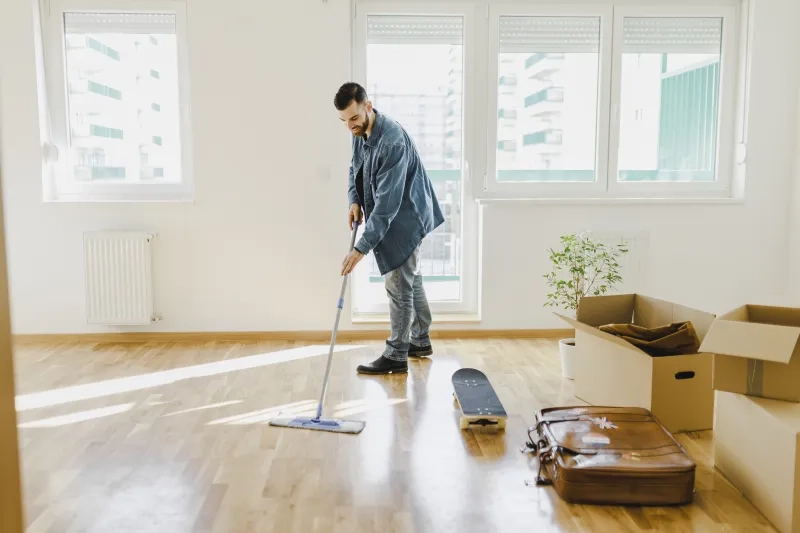
A move-out clean is key to getting your full deposit back. Start in the kitchen and give appliances like the oven, fridge and microwave a scrubbing. Get into the nooks and crannies of cabinets, counters and vents, as grease and crumbs can build up fast. In the bathroom, polish tubs, toilets, sinks, and mirrors until they gleam.
Sweep, mop, and vacuum your floors, focusing on corners and baseboards. Address any pet damage to the apartment or furniture. Try to look at your place with fresh eyes—spot-treat carpet stains and inspect walls for marks. Dirty windows, dusty light fixtures and smudgy doorframes should also be taken care of. Finally, remember to remove all garbage from the unit.
Restore your space to move-in shape
Before you hand in your keys, make sure to return the apartment to its original condition.
If you’ve done any renter-friendly DIYs or fun minor renovations, like adding shelf linings or window film, carefully remove them before you leave. Hooks, shelves and tape also need to go so there’s no sign of the changes you made. Fill nail holes with spackling paste and touch up paint if needed.
As the tenant, you’re not responsible for normal wear and tear, like faded paint, minor scuffs or carpet wear.
Get your pets ready

If you have pets, save their bedding, toys and food for last when packing. On moving day, create a calm space in a room with a door—that way, the activity won’t cause unnecessary stress or put them in harm’s way. Remember to update your pet’s microchip address and ID tags, and keep vet records handy, especially if you’re moving to a new city.
Moving with kids

The more your kids are involved in the process, the happier they will be, as they will feel like they have a choice in the matter, so pack together. You can even encourage your children to decorate their moving boxes, turning a scary situation into an exciting activity.
On moving day, designate someone to keep an eye on the kids so they stay safe and out of trouble. Schedule breaks for playtime, snacks, and naps to help reduce their stress about the ordeal. Finally, keep comfort items like a favourite toy or blanket handy at all times—you never know when it might rescue you from a meltdown.
Hire movers or enlist friends

Book your moving date early, especially during peak times like summer or the end of the month. If hiring professional movers, reserve them as soon as possible to ensure availability. Confirm the date, time, and any special needs, such as heavy furniture or stairs. For a DIY move, book a U-Haul or trailer well in advance and ask family and friends for help.
Take one last look
Schedule a final walkthrough with your landlord to ensure everything is in order. Document the apartment's condition with clear photos or videos of every room to protect yourself against damage disputes. If you completed a move-in inspection report at the beginning of your tenancy, compare it to the current condition and be prepared to answer your landlord’s questions.
Hand in all keys, fobs and passes for your building, mail and amenities.
Update your info

Once you've moved, update your address with Canada Post for mail forwarding and provide this info to your previous landlord. Notify all essential contacts, including banks, credit card companies, government agencies (like health card and driver’s license offices), your employer and any delivery services, subscriptions or memberships (such as your CAA Membership, which you can update in My Account). Remember to transfer utilities to your new address to avoid unwanted charges.
Check in on your tenant insurance
Your tenant insurance¹ should move with you, but you should contact your provider as soon as possible to report your upcoming move.
While your insurance policy may provide a grace period, it’s best to contact your insurance provider in advance. Be prepared to provide your move-in date, the full address with postal code, and any other relevant information.
1 Property Insurance is underwritten by CAA Insurance Company.
