

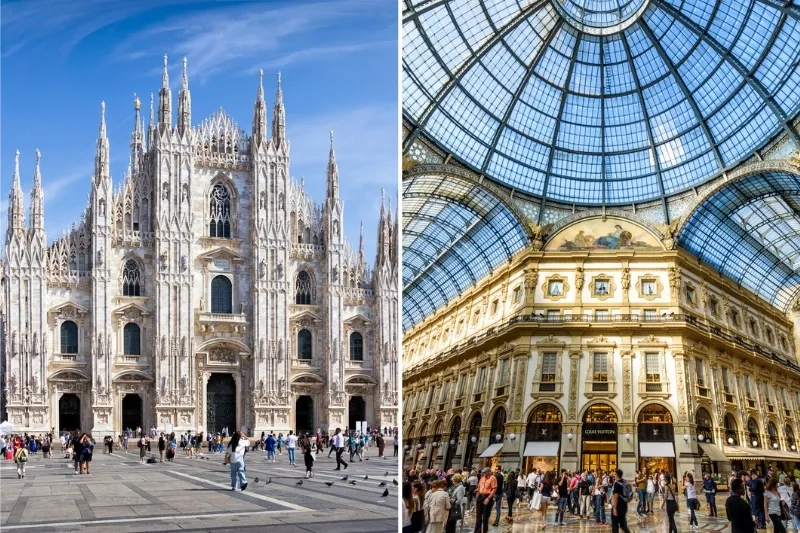
9 Must-see attractions in Milan, Italy
7 Minute Read
Summary
- Explore Milan's iconic landmarks, including the Duomo di Milano and Leonardo da Vinci's The Last Supper.
- Discover cultural gems like Galleria Vittorio Emanuele II, Castello Sforzesco, and Teatro alla Scala.
- Experience modern and historic Milan with Navigli Canals, Villa Necchi Campiglio, and Fondazione Prada.
At the intersection of history and modernity lies Milan. From jaw-dropping cathedrals to romantic canal tours, Milan is a history-lover's dream, and a fashion fanatic’s paradise. For me, the people, art and food of Milan have never left my heart.
Whether the 2026 Winter Olympics being held in Milan put this Italian city on your radar, or you are fascinated by this hub of fashion, history and art, Milano is calling to you.
If you’re wondering how to easily hop from one Italian city to the next and see all the sights, our Travel Consultants recommend Railbookers. Their customizable rail journeys let you tailor your trip to match your own interests.
Here are nine must-see things on your trip to Milan.
Duomo di Milano
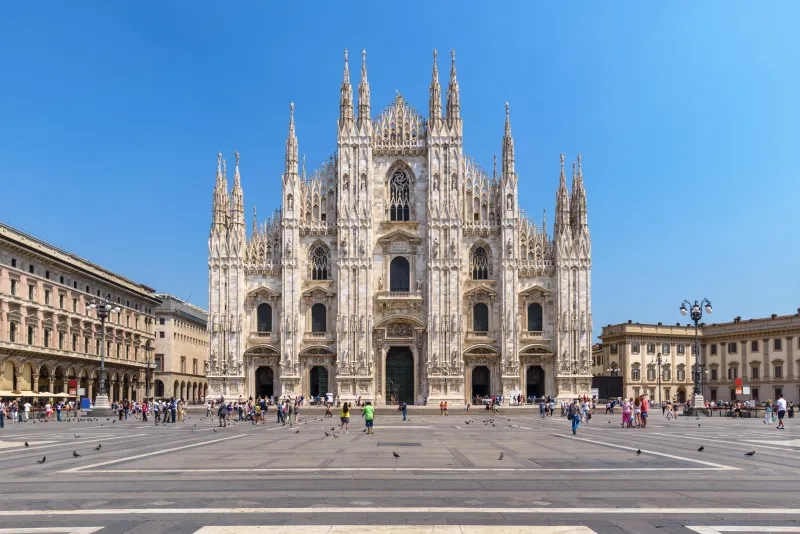
The Duomo di Milano is a symbol of Milan and is a masterpiece of Gothic architecture. Even stepping out of the metro station into the Piazza del Duomo is an awe-inspiring view as the cathedral sprawls before you. Its intricate façade and spires stretch toward the Milan skyline, making it nearly impossible to know where to look first. Crafted from Candoglia marble, the façade features 3,400 statues, including the golden Madonnina, which crowns the cathedral's highest spire.
Construction began in 1368 and spanned nearly 600 years, bringing together some of the greatest architects and artists of their time. While the Piazza del Duomo offers stunning views of the cathedral, the true magic lies inside. Light filters through the cathedrals’ stained-glass windows, bathing the interior in soft light.
A visit to the terrace is a must, offering spectacular views of Milan and a closer look at the intricate spires. To make the most of your visit, book tickets in advance to ensure access to all areas of the Duomo.
Leonardo da Vinci’s The Last Supper
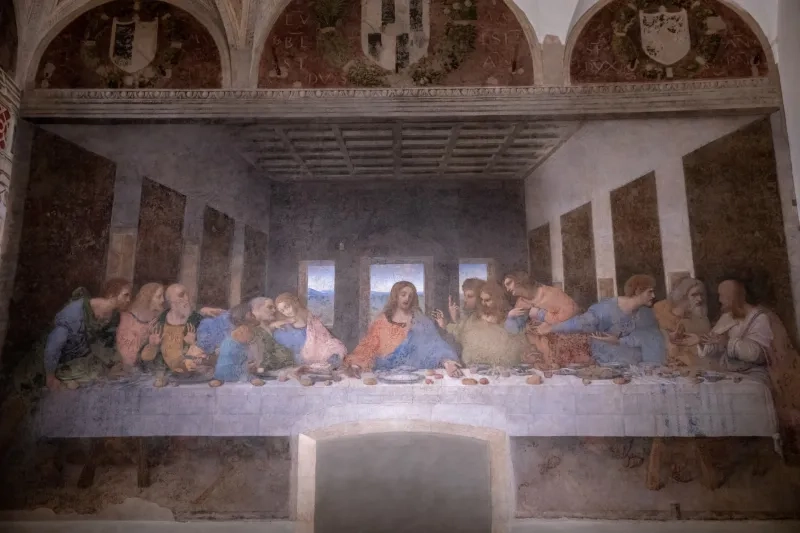
Viewing Leonardo da Vinci’s world-famous masterpiece, The Last Supper, demands a bit of preparation. That’s because visits are limited to 15 minutes per group due to the work’s fragility. So read up on the work beforehand to make the most of your time – no photos are allowed.
Painted between 1495 and 1498, using oil and tempera, the Last Supper is displayed on the refectory wall. This iconic depiction of Jesus announcing his betrayal spans over four meters tall and nine meters wide. Its large scale allows viewers to immerse themselves in the emotions of Jesus and his apostles.
On the wall opposite the Last Supper is Giovanni Donato Montorfano’s The Crucifixion. Painted in fresco and completed in 1495, it is one of Giovanni Donato Montorfano's most famous works and the only one signed by the painter. Through perspective, Giovanni Donato invites the viewer into the scene, with Jesus on the cross as the focal point.
Galleria Vittorio Emanuele II
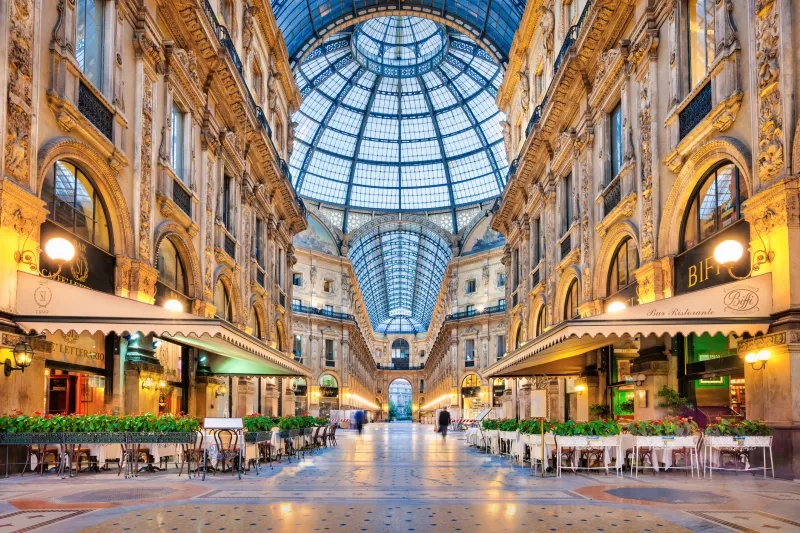
The Galleria Vittorio Emanuele II is one of Milan's most iconic landmarks, and the oldest shopping arcade in the world. Built in the 19th century and named after Italy's first king, the arcade is a stunning example of Renaissance Revival and Baroque architecture.
It’s also home to one of my favourite views in Milan. The Terrazza Aperol offers delicious local foods, aperitifs, and a stunning view of the Duomo di Milano. When travelling, I love the moments of people watching and marvelling at the architecture of a new city. The terrace allows you to see some of the carvings and the facade of the Cathedral, and to watch as other travellers marvel at it.
The Galleria’s intersecting halls feature a domed glass-and-iron roof that connects the Piazza del Duomo and the Teatro alla Scala. The arcade is a beautiful spot for luxury shopping in the heart of Milan. The floors feature mosaics of the Coat of Arms of Milan, and the three capitals of the Kingdom of Italy: Rome, Florence and Turin. For good luck, join the crowd that gathers around Turin’s coat of arms. To improve your fortune, spin on your heel on the bull three times.
Navigli Canals
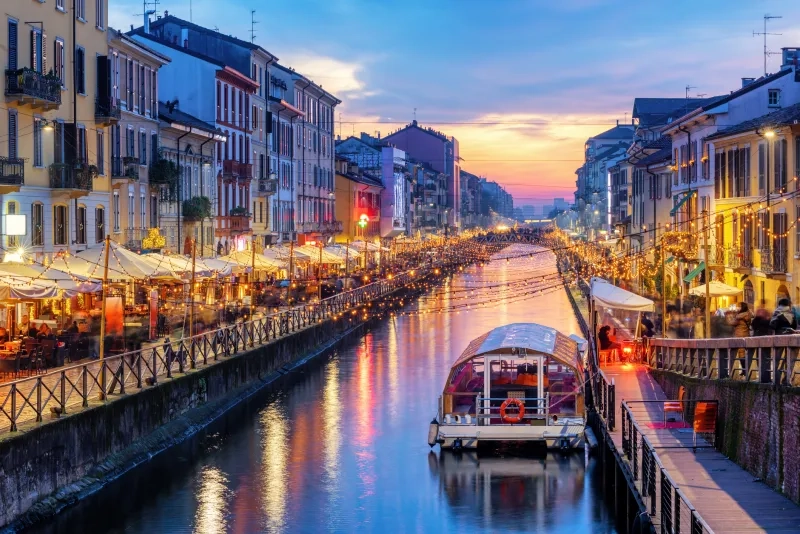
The Navigli Canals offer a unique way to view Milan and are spectacular to explore at sunset, with string lights draped along the canals. On the banks of the canals in the Navigli district, you will find bustling cafes with a lively and vibrant atmosphere. The area is also filled with art galleries and vintage stores. On the last Sunday of each month, the area hosts flea and antique markets, making it a great destination to find a one-of-a-kind souvenir to remember your time in Milan.
Historically, the Navigli Canals date back to the 1300s when they connected Milan to nearby lakes and rivers. They played a crucial role in transporting materials, including the marble used to construct the Duomo di Milano.
Today, two main canals remain: the Naviglio Grande, the oldest, which stretches over 50 kilometres and connects Milan to the Ticino River, and the Naviglio Pavese, which links Milan to the River Po. The canals are steeped in history, including landmarks like the Vicolo dei Lavandai (Washerwoman's Alley), a tribute to the women who once washed clothes there.
Castello Sforzesco
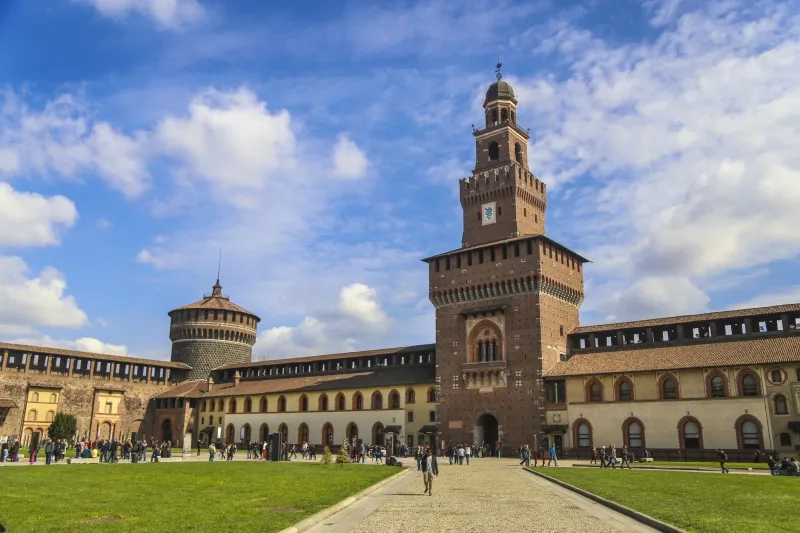
Milan is home to one of the largest castles in Europe, Castello Sforzesco. Originally built in the 14th century and reconstructed in the 15th century by Francesco Sforza, the castle now blends medieval and Renaissance architecture. Over the years, the castle has been repaired after damage sustained while it was used as a military fortress, including when the main tower exploded in 1521 after being struck by lightning while used as ammunition storage. The castle houses several museums, including the Museo d'Arte Antica, which features Michelangelo's unfinished Rondanini Pietà, as well as galleries showcasing Renaissance and Baroque art, ancient Egyptian artifacts, and historical musical instruments. Frescoes by Leonardo da Vinci can also be found within its walls.
Behind the castle lies Parco Sempione, a beautiful green space perfect for picnics or strolls. The park also features landmarks like the Arco della Pace, a neoclassical arch and one of the most photographed landmarks in Milan and the Triennale di Milano, a design and art museum.
Teatro alla Scala
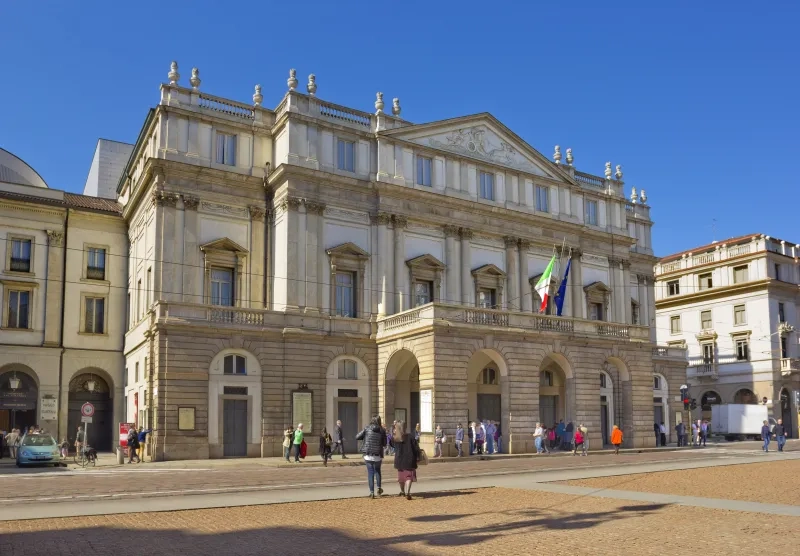
The Teatro alla Scala, or La Scala, is one of the world's most famous opera houses. It opened on August 3, 1778, and has since hosted legendary performers and young talent alike. Its horseshoe-shaped auditorium is renowned for its exceptional acoustics, creating an intimate atmosphere for audiences.
Built on the site of the former Church of Santa Maria alla Scala, the theatre also features a museum showcasing the history of opera, with costumes, set designs, and memorabilia from its most famous performances. For music lovers, attending an opera at La Scala is a bucket-list experience. Be sure to check the program and book tickets early, as performances often sell out.
Villa Necchi Campiglio
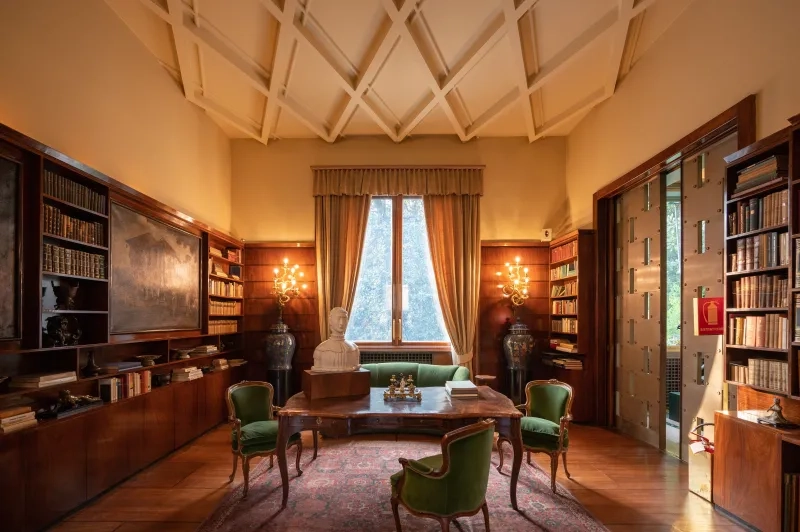
For a glimpse into the luxurious lifestyle of Milan's elite in the early 20th century, visit the Villa Necchi Campiglio. Built between 1932 and 1935 for the Necchi Campiglio family, known for their sewing machine empire, the villa was designed by architect Piero Portaluppi.
The villa features modernist architecture with clean lines, luxurious materials, and Art Deco influences. Surrounded by lush gardens, it offers a serene escape from the city and was one of the first homes in Milan to feature a heated swimming pool. Inside, visitors can admire a collection of art and decor, making it a must-see for art and history enthusiasts.
Biblioteca Ambrosiana
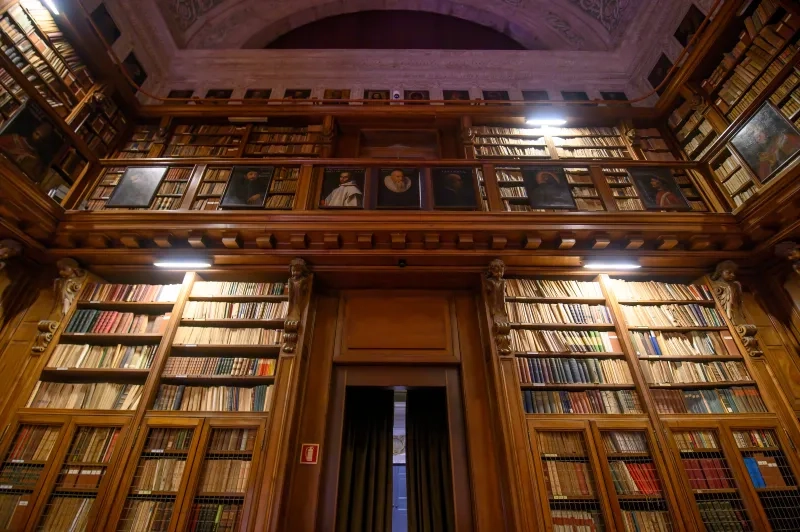
Founded in 1607 by Cardinal Federico Borromeo, the Biblioteca Ambrosiana is one of Europe's oldest libraries and a treasure trove of knowledge. It houses nearly 30,000 manuscripts and one million printed works, including the Codex Atlanticus, the largest collection of Leonardo da Vinci's drawings and writings.
The library also features an art gallery with works by Caravaggio and Raphael, including a preparatory drawing for the Vatican's frescoes. Beyond its historical significance, the Biblioteca Ambrosiana remains a vital center for research and scholarship.
Fondazione Prada
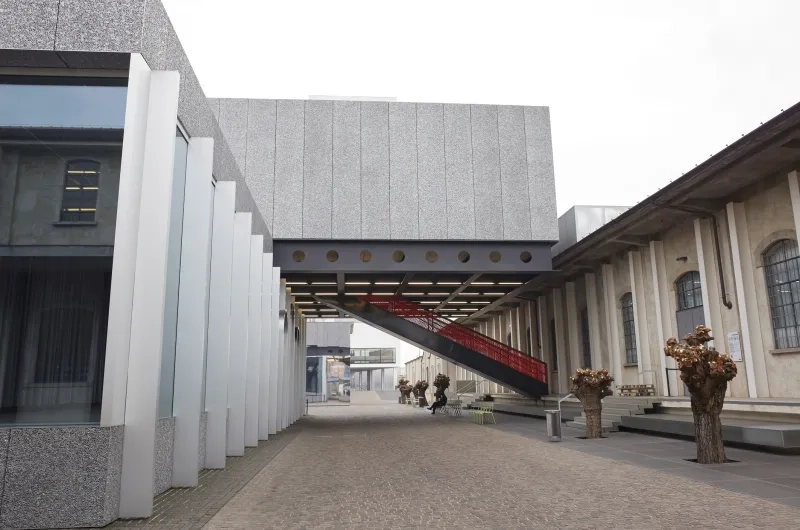
Founded in 1993 by Miuccia Prada, the Fondazione Prada is a cultural institution that invites visitors to connect with and interact with art installations, philosophy, and cinema. One of its most famous installations is the Upside-Down Mushroom room, which offers a fun photo opp.
The space blends industrial structures with modern elements, including the "Haunted House", a four-story building gilded in 24-karat gold leaf that houses permanent installations. The golden building catches the light, drawing visitors towards it. The Prada Cinema, a state-of-the-art theatre, hosts film screenings and festivals. The Fondazione is more than a contemporary art museum; it invites guests to engage with the art rather than just observe.
After exploring the exhibitions, visitors can relax at Bar Luce, a retro-style cafe designed by filmmaker Wes Anderson, inspired by Milanese culture of the 1950s and 1960s. As a lover of Wes Anderson’s whimsical designs, Bar Luce led me to the Fondazione Prada. Serving up a dreamy cafe to enjoy an espresso and reflect on the art that moved and inspired me.
Discover Milan
Ready to see all Milan has to offer? See more of Northern Italy with an expertly crafted Itinerary from Railbookers. CAA Members get up to $200 off itineraries and access to Member benefits when they book with Railbookers and CAA. Book an appointment with one of our trusted Travel Consultants today.



