

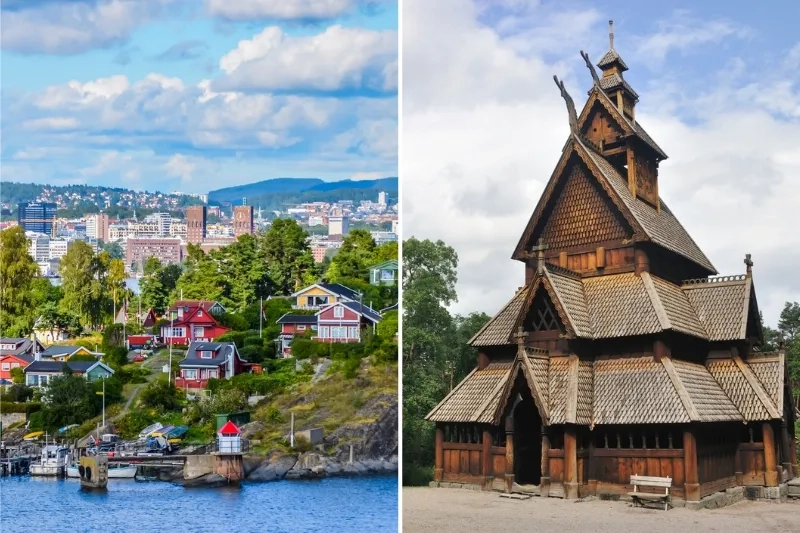
Best things to do in Oslo, Norway on your first trip
4 Minute Read
Summary
- Visit Oslo Cathedral, a 17th‑century landmark in the city centre known for its art, history, and royal ties.
- Explore Karl Johans gate and nearby cultural institutions, including the MUNCH and the National Museum.
- Round out a first visit with waterfront walks, fjord cruises, island hopping, and scenic viewpoints.
When imagining Norway, you may envision howling fjords, sunless valleys and Viking longships breaking against chopping waves. Others may expect idyllic urbanism, minimalist design and a quiet culture shaped by long winters, knitting and rich chocolate.
As with anything, the truth lies somewhere in between. Norway is a land of extremes, where travellers can go from the cozy streets of Oslo to the dramatic peaks of the Jotunheimen mountains in just a few short hours.
“Norwegians have a reputation for being reserved, but I found them to be the best part of Canadians - intelligent, educated, witty and honest,” recalls Julie Beun, Managing Director of Communications and Public Relations at CAA North & East Ontario, of her recent trip to Norway.
During her stay in Oslo, she discovered a destination where medieval history, modern design and unforgettable food clashed against the most dramatic of Europe’s landscapes - creating a country that feels both timeless and forward-looking.
Walk through history at Oslo’s museums
Although its population sits just above five million, Norway punches above its weight in culture. Best known as the beating heart of the Viking adventurers that plundered Europe for three centuries, Norway is equally rich in folk and modern tradition, displayed in full glory at the Norges Folksmuseum.
The museum's collection of textiles and tools from the 17th century onward offers insight into the craftsmanship and hardships of pre-industrial life.
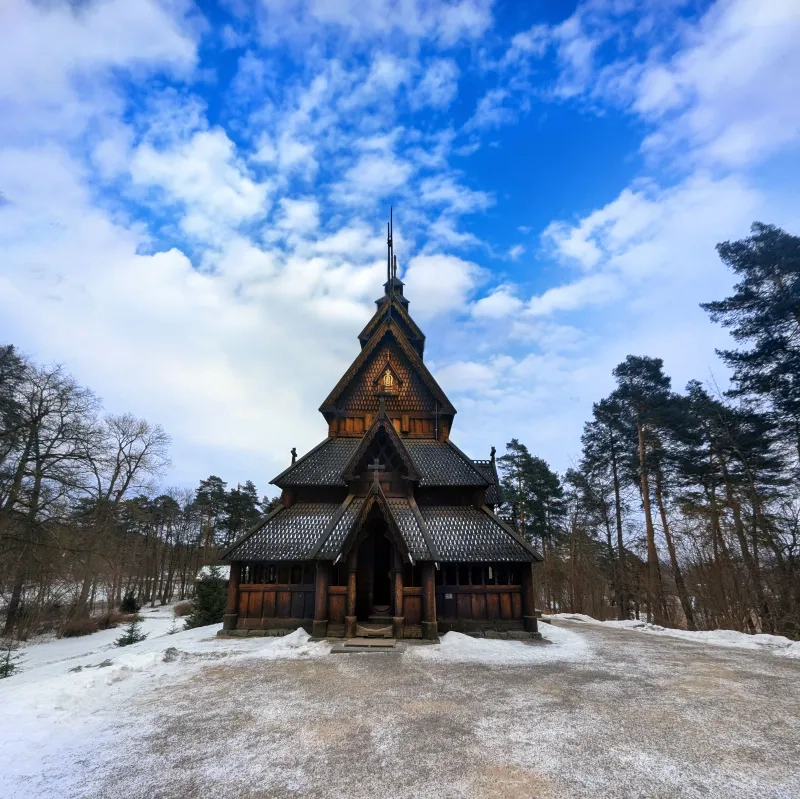
The best-known exhibit is an open-air collection of historic buildings, procured from across the country and reassembled on site by order of King Oscar II. Among the buildings, visitors will be drawn to the 12th-century Gol Stave Church, a haunting monument to the transition from paganism to Christianity.
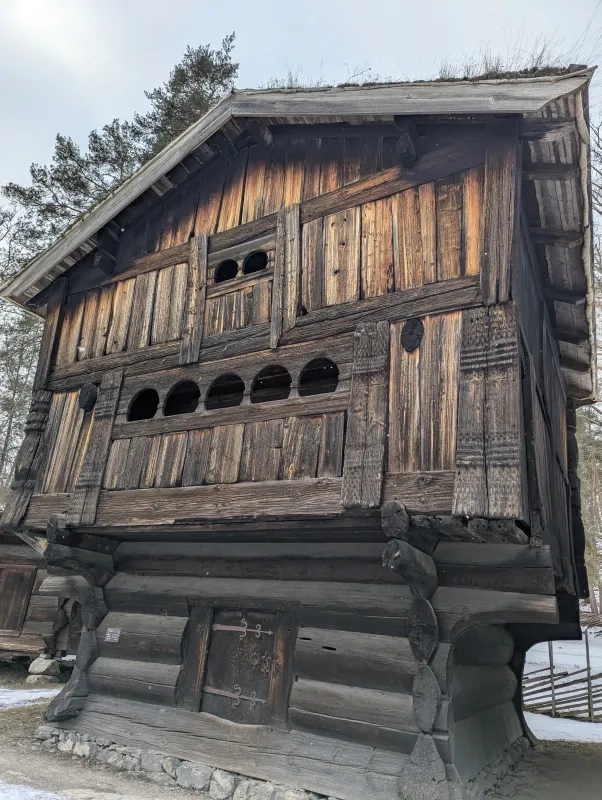
“They don’t romanticize how hard life was three or four hundred years ago.” Beun remarks.
A short tram ride away, the National Museum displays the best of Scandinavian art and design, including works by Edvard Munch, Jean Heiberg, Adolph Tidemand, Hans Gude and Theodor Kittelsen - as well as a clothing design collection that includes an authentic Fortuny Delphos gown and Queen Sonja’s coronation gown.
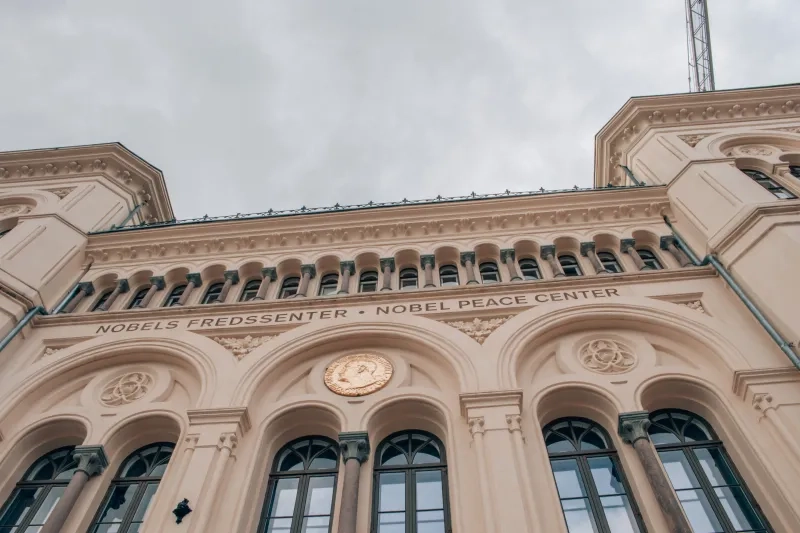
Next door, visitors will find the Nobel Peace Centre, a dedication to the famed Norwegian prize that has been a celebration of democratic values since 1901. A tour of the facility highlights the identities and accomplishments of each prize winner.
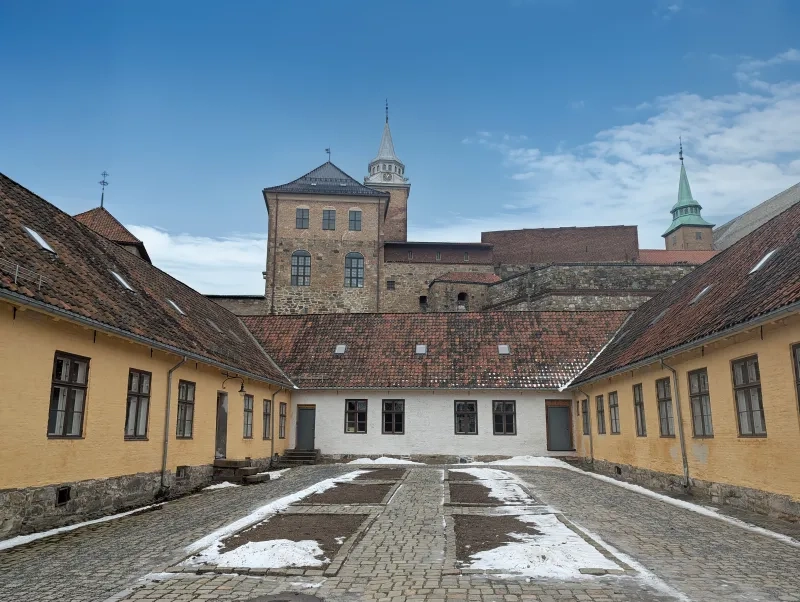
Along the water, history lovers will find the Akershus Fortress. A major set-piece in Norwegian history, the fortress was built in 1299 to ward off attacks from a rebellious earl and has stood watch ever since. From royal residence to a symbol of Norway’s heroic Second World War resistance, and now the temporary residence of the Prime Minister, it’s a structure brimming with history that retains its medieval charm.
Enjoy the tastes of Nordic cuisine
Fresh, hearty and emphatically fish-forward, Norwegian cuisine may not make international tables, but it can satisfy any foodie. From smoked and pickled herring to fresh salmon, caviar, waffles, and brunost (a sweet brown cheese), it is recognizably European yet distinctively Scandinavian. Delicious as it sounds, Canadians travelling abroad should be warned that food can be pricey.
“Norwegians love bread. They eat it three times a day, but it’s so good. The butter is next level,” Beun recalls.
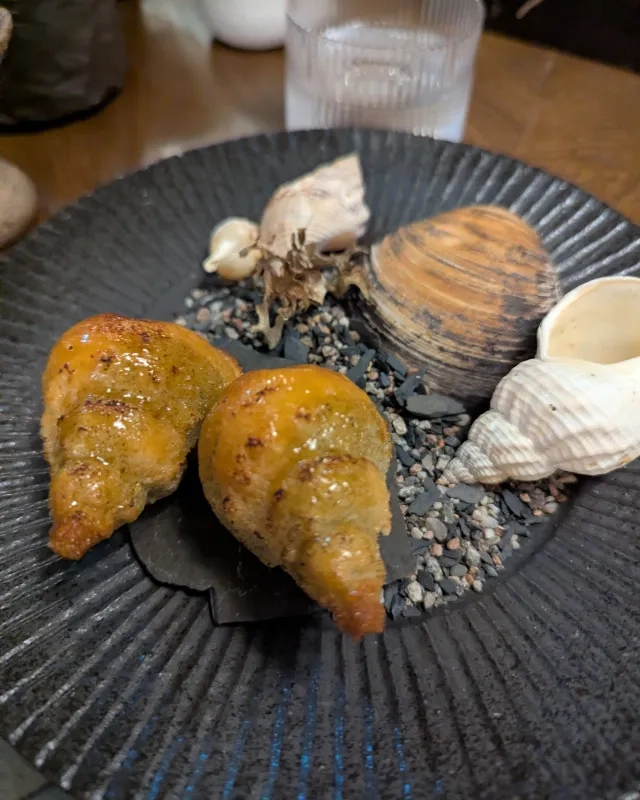
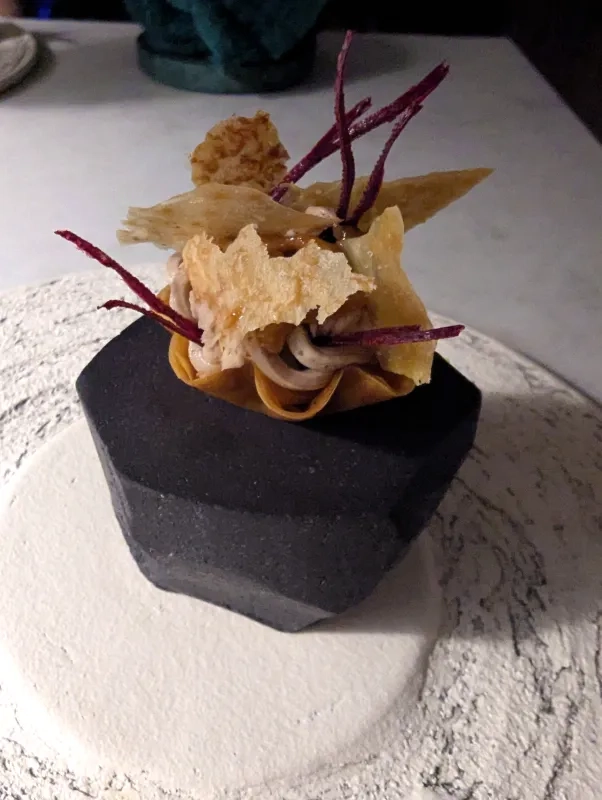
More than just folk appetites, Norway boasts 11 Michelin hotels and a whopping twenty-two Michelin guide restaurants, with twelve to be found in Oslo alone, including world-renowned three-starred Maaemo and Re-Naa. During her stay, Beun made a stop at SAVAGE, a three-time inclusion.
“Over an eighteen-course tasting menu, we explored the mind of the chef,” Beun says of the experience. “The menu leaned into Norway’s produce and ecosystem… dishes presented as one thing but made of another, like scallops and caviar made to look like a sea star… the food and decor were delightful, even my purse got its own stool.”
Walk in the steps of Edvard Munch
The most famous of Oslo’s artists and the painter behind the universally recognized The Scream, Edvard Munch lived a bohemian lifestyle that can still be traced through the charming streets of the Norwegian capital, offering visitors a glimpse into the artistic life that once defined the city.
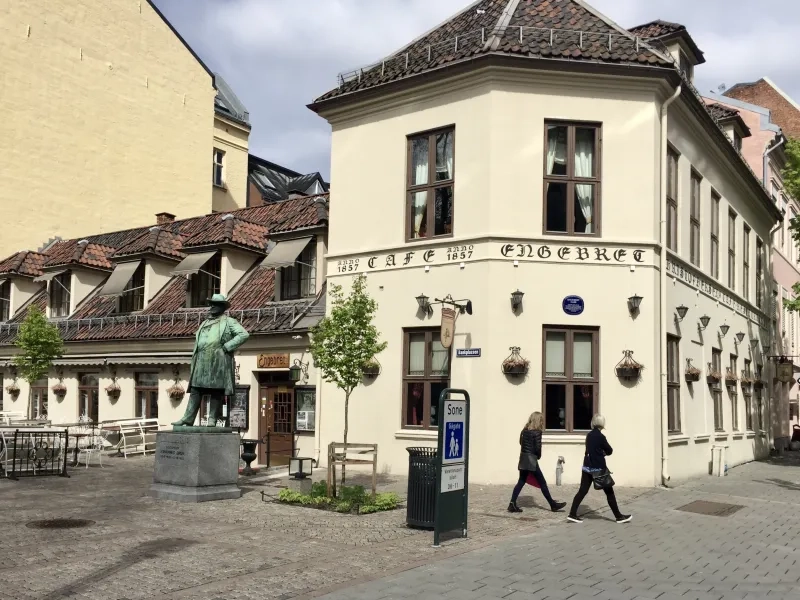
In the heart of Oslo, Engebret Café (established in 1857 in a home built in 1760) was a popular gathering place for artists during Munch’s time, frequented by giants like Henrik Ibsen, Edvard Grieg and Bjørnstjerne Bjørnson. The restaurant, claiming to be the oldest in Oslo, is lined with artworks gifted by its famous patrons, many of which are deliberately hung above their favourite tables. One story recounts how, after a drunken night, Munch accused a waiter of stealing his hat and gloves. The next day, he doubled down on the accusation, sending an indignant letter to the restaurant, which now proudly hangs in the foyer.
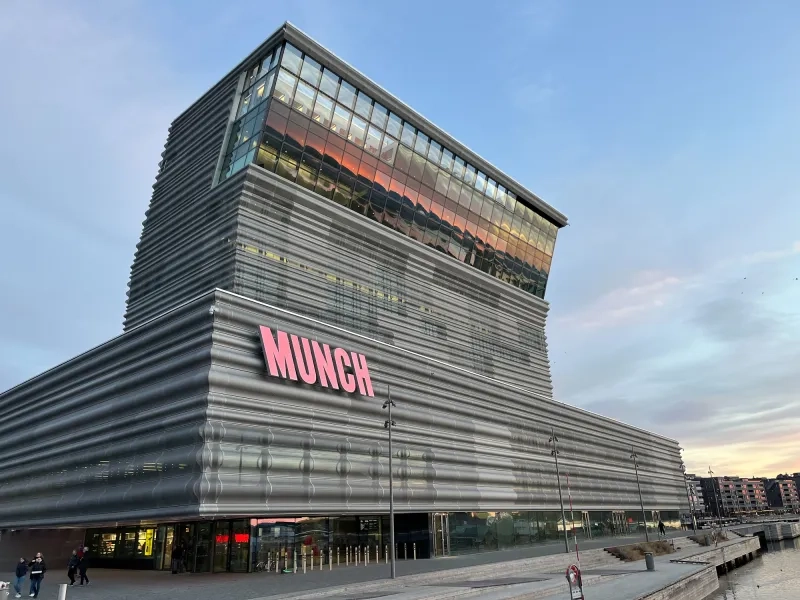
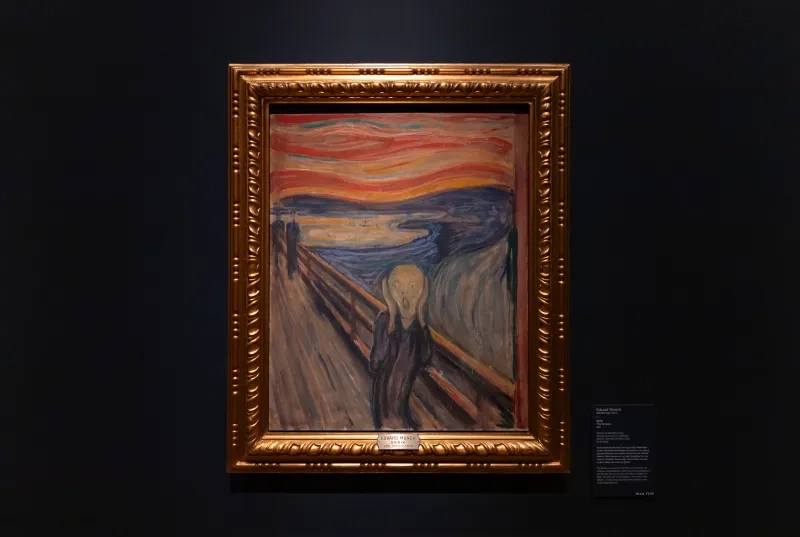
When retracing the artist’s footsteps, visitors may want to end their journey at the Munch Museum, housing the largest collection of his works, including woodcuts, early works focused on family and the strangely devotional Madonna. It also includes several iterations of The Scream, though the most recognizable is shown at the National Museum of Norway.
See Norway for yourself
You may come to Norway dreaming of Viking raiders and harsh tundras. But, you leave with an appreciation for the modern country, one where civility is enshrined, politeness is expected, and a proud history breathes through the streets. Whether walking through the storied alleys of Oslo, gorging on the hearty food or enjoying the quiet charm of Nordic life, there’s always something to do in the ‘land of the midnight sun’.
To start planning your trip to Norway, book an appointment with a CAA Travel Consultant.



