

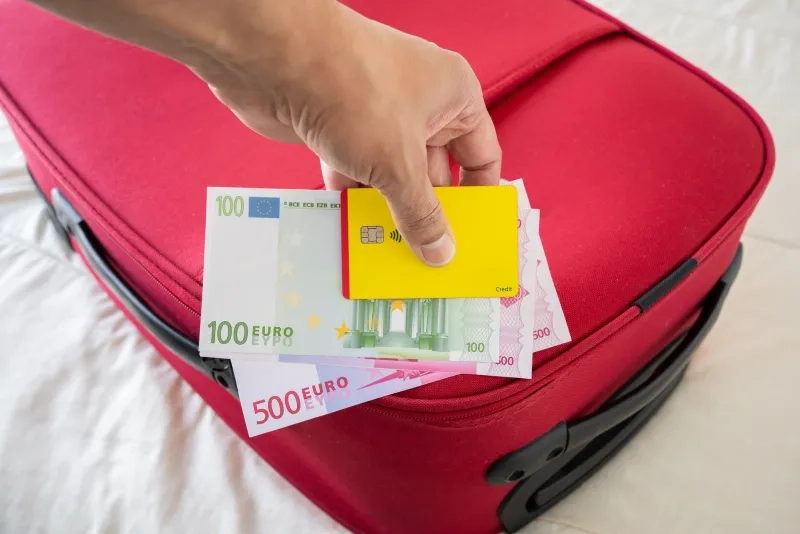
Cash vs credit cards? What is the best option when travelling?
3 Minute Read
Summary
- When travelling, credit cards are convenient, but 2.5% foreign exchange fees add up.
- Cash is still needed abroad where cards aren’t accepted, and tips require bills.
- Using local ATMs beats airport exchange rates, even with roughly five-dollar withdrawal fees.
Cash or card? This is one of the main questions many of us ask when travelling abroad. Not only because we want to be prepared, but also to make sure we get the best value while we travel.
In recent years, credit card acceptance has become more widely available, yet in some circumstances, cash is still king. Meaning the best answer to ‘cash vs credit card’ is both. Here are some tips to ensure you use the best payment methods when travelling.
No-forex fee credit cards
Many people want to use their credit cards when travelling abroad; they are easy to carry, ideal for larger purchases, plus you can earn points or rewards along the way. However, any points earned are negated when you factor in the forex fees.
Forex fees are the pesky charges most credit cards add to foreign currency transactions, at a rate of 2.5%, which is often higher than the points you may earn.
Your best bet here is to choose a credit card with no foreign exchange fees. Granted, these aren’t typically the most exciting credit cards on the market, but that 2.5% can add up pretty quickly. I think we would all agree that money is better spent on gelato or a pain au chocolat rather than going to the bank.
When looking for a credit card to use on vacation, it doesn’t need fancy features; ideally, it should have no annual fee and no foreign exchange fees.
Cash
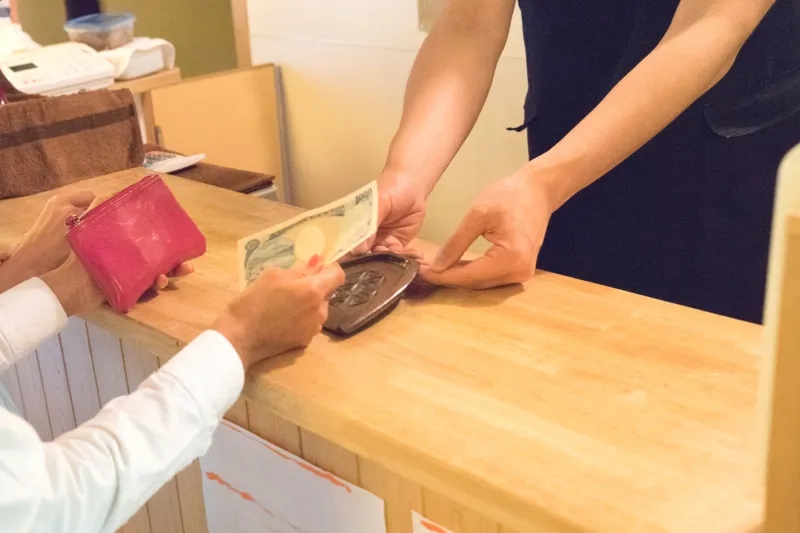
Cash may not be the easiest thing to travel with, but in many places it's still king. Some places still don’t accept credit cards, others will offer you a better deal if you pay cash, or you just may find yourself somewhere where the card payment machines don’t work.
When it comes to getting local currency, your best option is to withdraw it from an ATM in the country itself. This will ensure the best exchange rates and means you don’t need to bring a wad of cash to convert.
Now, depending on your bank, you may be charged a fee (usually $5) for using a foreign ATM, and the ATM may charge a fee as well, but it can end up being a better deal than exchanging money at the airport.
To avoid these fees, take out a larger sum to reduce the number of withdrawals. If you are prompted to “lock in” or “guarantee” a conversion rate from the ATM, always choose “proceed without conversion” as your bank will offer you a better deal.
For withdrawing cash while abroad, I recommend using a prepaid card that lets you withdraw at ATMs with no forex or ATM fees.
Hot tip: If you’d feel more comfortable converting some cash before you leave, CAA Members save the $9.95 fee at the airport and get a better rate at International Currency Exchange.
Carry backups
A combination of cash and credit cards is the way to go when travelling, but for extra reassurance, you should always have some backups. Sometimes specific cards don’t work; your card could get damaged, lost, or even compromised while you travel. Anything can happen, and it’s not always easy to get replacements, especially if you are on the move. Your best bet is to be prepared and have a couple of alternatives on hand for these worst-case scenarios.
While I use no-fee cards on a day-to-day basis, I keep my regular bank card and credit card locked away in my luggage, then carry a third backup credit card in my wallet, just in case my travel one doesn’t work while I’m out and about.
While travelling
In cultures where tipping is common, cash is often the only option. It’s a good idea to have small bills on hand for situations like this.
Another important thing to note is that using public or hotel wi-fi isn’t always secure. Be mindful of any online transactions and banking you may do while abroad. It’s best to get a local SIM (or e-SIM) and use that for any online credit card purchases.
Before you go
Payment method and even preferred currency may vary by destination. For example, in several countries, USD are preferred, so make sure to do your research in advance.
Plus, while most credit cards no longer require you to call and report travel, they could still be flagged for ‘odd’ purchases abroad. Make sure you have a way to contact your local company in case this occurs.
For any questions about your own upcoming travels, book an appointment with a CAA Travel Consultant.



