


Going on vacation? Here's how to prepare your car for long periods without use
3 Minute Read
Summary
- Long‑term vehicle storage prevents engine, battery, and exterior damage while you’re away.
- Prepare your car by inflating tires, filling the tank, and avoiding parking brakes.
- For longer trips, use a fuel stabilizer, a trickle charger and rodent‑prevention measures.
The flights are booked, the bags are packed, and all that’s left to do is deal with the car. Vehicles are meant to be used almost every day, so sitting idle for an extended period can cause damage to the engine, exterior, and even interior.
No one wants to return from a relaxing getaway to expensive repairs or a car that won’t start, so here’s how to store it while you’re gone.
Before you leave
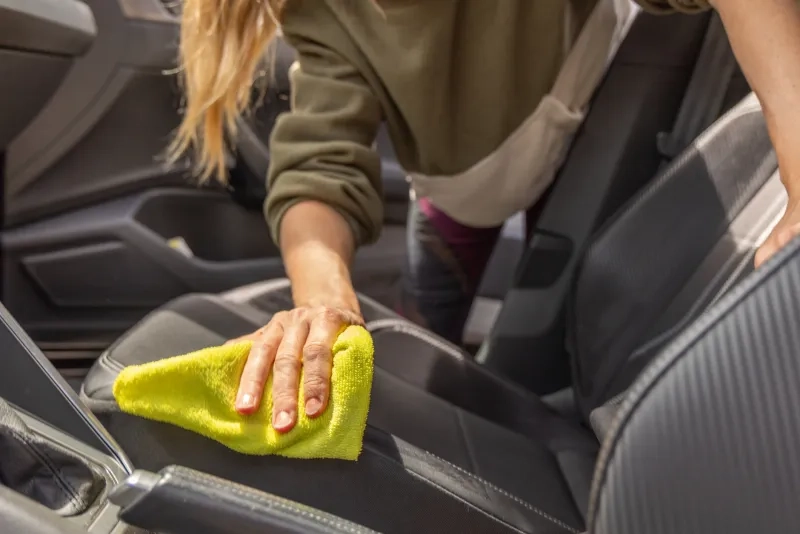
Start by creating a to-do list to ensure you don’t overlook essential tasks and to help reverse any changes when you return.
Next, decide where to park your car: your driveway, an airport lot, or a storage facility. For longer trips, especially in cold climates, indoor storage is ideal. When selecting long-term parking, prioritize climate control and security.
If parking outdoors, choose asphalt over grass or gravel, and use a weather-resistant car cover. For added security, consider installing a camera to monitor your property and using a steering wheel lock to deter theft. Inform a neighbour or friend of your trip and ask them to check on the vehicle occasionally.
Before leaving for more than a few days, clean out the interior and remove any trash or loose items to prevent odours. Inflate the tires to avoid flat spots, fill the gas tank, and wash the interior and exterior. Instead of using the parking brake, place tire stoppers; prolonged use of the extended parking brake can cause it to stick to the rotors.
For trips longer than a month, additional steps are necessary. Consider jacking up the car to prevent tire damage. Check and top off engine coolant, brake fluid, and transmission fluid. Add a fuel stabilizer to the gas tank and get an oil change to prevent corrosion and condensation. Applying a fresh coat of wax can also help protect the exterior from rust.
To avoid a dead battery, invest in a battery tender (also called a trickle charger), which maintains the charge while the car is idle.
Once your vehicle is parked, take measures to critter-proof it. Block entry points such as the exhaust pipe and air intakes with steel wool or aluminum foil, and place mothballs around the car to deter rodents.
Lastly, lift the windshield wipers and cover the car to protect it from dust. With everything prepared, you can relax and enjoy your trip, knowing your vehicle is safely stored.
When you return
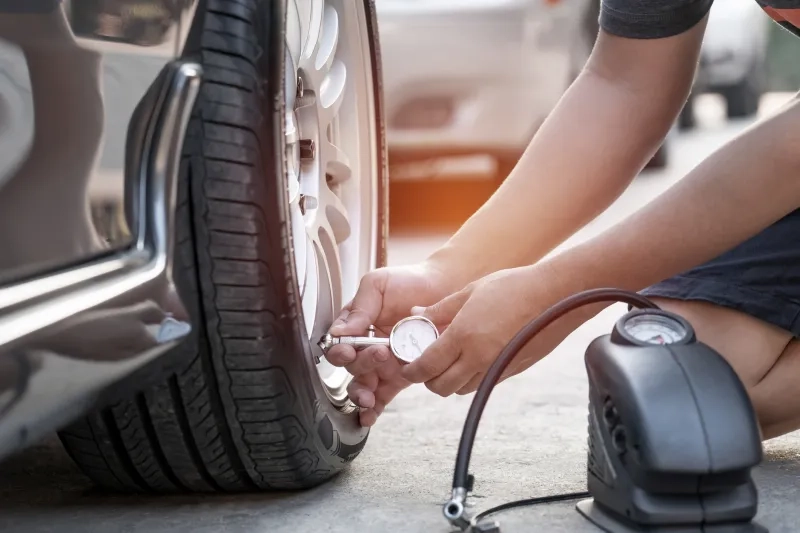
The flight has landed, and it’s time for everyday life to resume for you and your car. This is where your list comes in handy again, allowing you to work backwards and prepare to hit the road.
First, remove anything blocking vents or exhaust pipes, look for any new damage and check under the hood for rodent activity. Confirm all fluid levels are topped up and look for leaks beneath the car. Your tires might have deflated, so check the air pressure and refill them as needed. Test all lights, signals, and electrical systems to ensure they are functioning correctly.
Once you’re ready to take it for a spin, keep an eye on the brakes. You might hear a thumping sound as surface rust clears off them, but if the issue persists beyond a few trips, take your car to a mechanic.
Plan your long stay trip
Thinking about going on an extended stay vacation, or have questions about planning your next trip? Book an appointment with a CAA Travel Consultant to help you plan the perfect long-stay getaway.



