

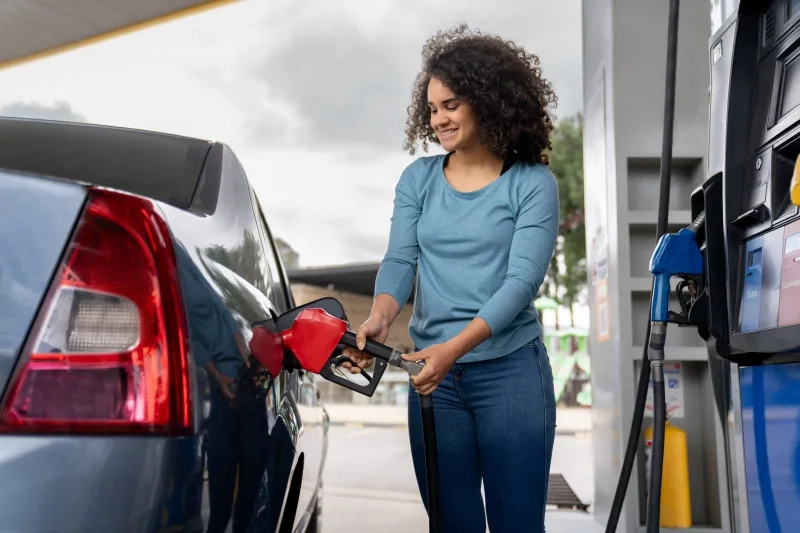
Save on fuel prices with these driving tips
4 Minute Read
Summary
- To maximize fuel efficiency, change your driving habits. Maintain speeds between 50–80 km/h, where possible.
- Check tire pressure regularly; one underinflated tire can reduce fuel efficiency by 4%.
- Use air conditioning sparingly; AC can increase fuel use by approximately 20%.
No one likes sticker shock at the pump, especially if prices jump overnight. Fuel costs fluctuate, and while more drivers are considering investing in hybrid or electric vehicles, most Ontarians still rely on fuel‑powered cars for daily travel.
Although you can’t control the changing prices due to factors like global conflict or weather, avoiding common driving mistakes can make a real difference in how efficiently you use fuel. Small habit changes, combined with basic upkeep, can help drivers get more out of every fill‑up.
Find the lowest fuel prices
Fuel prices change frequently, and broader trends can provide useful context before filling up. Watching how prices move over time can help you understand whether fuel costs are rising, falling or holding steady.
CAA has a tool where drivers can check the daily national average fuel price in Canada and compare today’s average with prices from yesterday, last week, last month, or even a year ago.
Comparing the national average with the price at stations near you can help you gauge whether local prices are in line with broader trends or running higher than usual.
Plan your route to make the most of your tank
It's not just good for the environment; it's also good for you if you don't idle in traffic. Anyone who knows their highway versus city driving fuel consumption understands that a car is much more fuel-efficient at a steady, constant speed than during the stop-start of rush hour.
Between the radio, GPS systems, Google Maps and Waze, there are plenty of resources available to plan a trip that avoids congestion and heavy traffic.
Ensure your tires are properly inflated and balanced
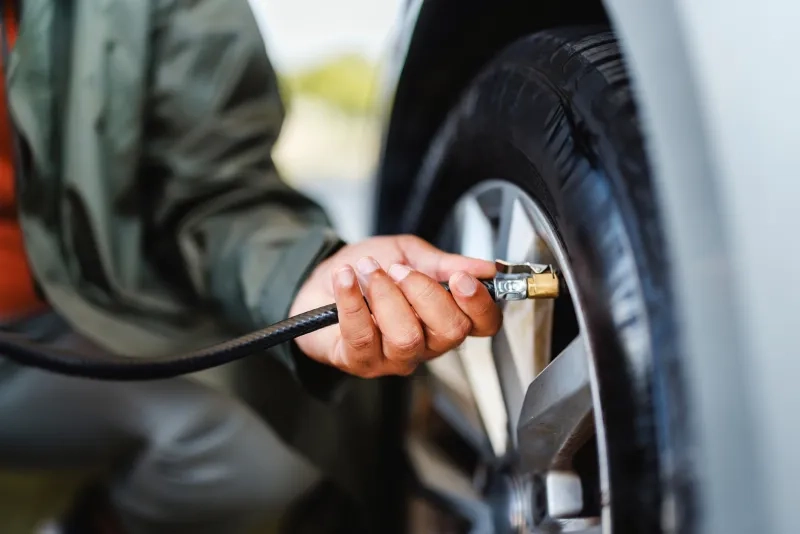
It takes just a few minutes at a fuel station to test tire pressure, but it could save you money. Having just one underinflated tire can reduce your fuel efficiency by four per cent.
Tires that are too low make your car work harder, and tires that are overinflated wear out much faster. Find your vehicle's optimal tire pressure just inside the driver's side door.
Slow down
When fuel prices skyrocket, build wiggle room into your schedule so you can drive at a steady pace rather than speeding up if you're running late. Most vehicles achieve optimal fuel efficiency between 50 km/h and 80 km/h. Above that benchmark, vehicles use increasingly more fuel the faster you drive; at 120 km per hour, you use 20 per cent more fuel than you do while driving 100 km per hour.
Try some hypermiling techniques—like using cruise control and coasting to decelerate—to drive more efficiently. Always remember that safe driving is more important than fuel efficiency.
Reduce your load
If a bag of donation items has made a new home in your trunk, now is the time to drop it off at the thrift store. Extra weight in your vehicle reduces your fuel efficiency with each trip; the less junk you’re carting day-to-day, the less you’ll spend. This doesn’t apply to equipment you might need in a pinch, like your spare tire or jumper cables.
Roof racks and bike racks can also increase drag, making you less aerodynamic, so remove them when not in use.
Check your oil, transmission and differential fluids
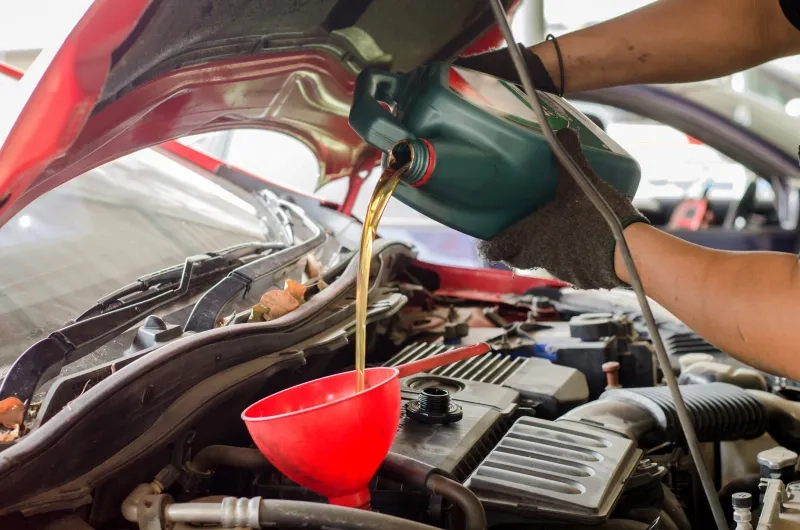
Old, dirty oil causes internal friction, which means your car has to work harder to pump it through the engine. Keeping your vehicle's fluids properly topped up and having regular oil changes helps extend your car’s lifespan, improve performance, and enhance fuel efficiency.
Run your air conditioning less
With the air conditioner blasting, your car might be using one- fifth more fuel. If you’re driving slowly or taking short trips in the city, roll down your windows. At higher speeds, use the flow-through ventilation system, so the windows don’t create drag.
If your car is just too sweltering, use the re-circulate option and run your AC intermittently, shutting it off when you reach the ideal temperature.
Bundle your errands
Driving to the store for a litre of milk might seem necessary at the time, but you'll save on fuel if you do household shopping and excursions all at once rather than making many shorter trips.
When making multiple stops, head to the furthest spot first. This gives your engine a chance to warm up, allowing it to operate more efficiently.
Avoid buying premium fuel
A few cars are designed to run on higher-octane fuel; their higher-compression engines require it. However, the majority of the cars on the road don't need it and will not run any better or more efficiently because of it.
Save on fuel with CAA and Shell
When fuel rates climb, CAA is here to help. CAA Members save three cents per litre on fuel at Shell, giving you a quick, easy way to get cash back in your pocket at the pump. Just swipe your card or load it into Shell EasyPay™ in the Shell app to get savings on every trip.



