

Why you need both collision and comprehensive insurance
3 Minute Read
Shopping for auto insurance but confused about some of the optional coverages? You’re not alone. While having car insurance is legally required in Ontario, basic policies don’t include coverage for damage to your own vehicle.
We asked CAA Insurance to answer your top questions about collision and comprehensive insurance.
What is collision coverage?
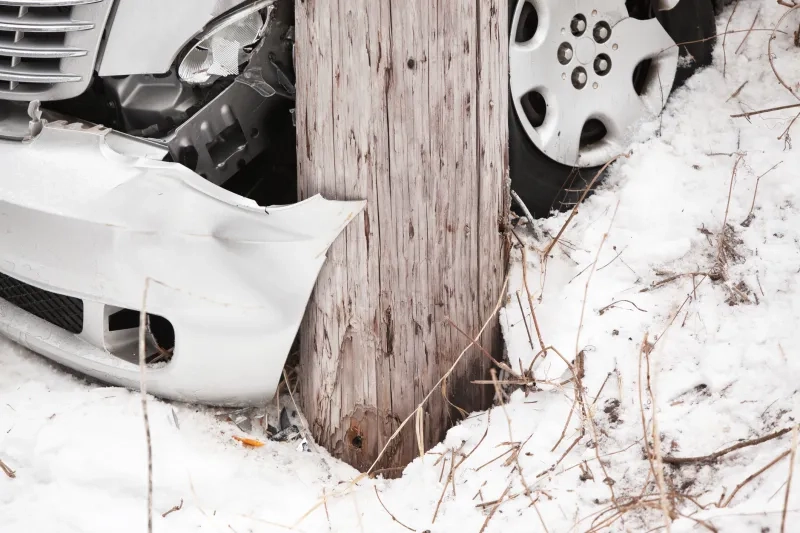
Collision coverage is designed to protect your vehicle from damage caused by accidents, whether it’s with another car or a stationary object like a road sign. It ensures your repair or replacement costs are covered, regardless of who is at fault. For instance, if you accidentally hit a guardrail on a rainy day or back into a utility pole, collision insurance covers the repair costs. Without it, you’d be stuck paying the expenses out of pocket, which can quickly add up.
If you’re involved in an accident where fault is shared, damages to your vehicle are only partially covered by Ontario’s Direct Compensation Property Damage (DCPD) system. DCPD pays for the portion of your damages that corresponds to the percentage you are not at fault. Collision coverage then fills the gap, covering the portion of damages you are responsible for.
For instance, if you’re 50 per cent at fault for an accident with $5,000 in damages, DCPD will cover $2,500 (50 per cent). Collision coverage steps in to pay the remaining $2,500 (50 per cent), preventing you from facing significant out-of-pocket expenses. However, if you are found to be 75 per cent at fault, 75 per cent of your claim will fall under collision and 25 per cent under DCPD. This means you must also pay 75 per cent of your collision deductible. For example, if your deductible is $1,000, you would need to pay $750.
It’s also important to note that DCPD is no longer mandatory in Ontario. Policyholders now have the option to remove this coverage by signing OCPF 49 endorsement, which waives their right to claim damages from their insurer in a non-fault collision. It is recommended that you speak with your insurance agent or broker to fully understand how removing OPCF 49 may affect you. Be sure to double-check your policy to confirm you still have DCPD coverage. If you’ve signed OCPF 49, the above example does not apply.
Collision insurance is an added layer of protection to help ensure you won’t be left to cover accident-related damages alone.
What is comprehensive coverage?

Comprehensive coverage protects your vehicle against damage caused by events that go beyond collisions. Think of it as your safeguard for life’s unpredictable moments, covering incidents off the road.
This type of coverage includes:
-
Weather-related damage from hail, floods, or falling branches.
-
Natural disasters like wildfires or tornadoes.
-
Theft and vandalism of the vehicle and its equipment
-
Animal-related incidents like hitting a deer on a country road.
For example, if your car’s roof is dented by a falling tree during a storm or if thieves break in and damage your dashboard in an attempt to steal equipment, comprehensive coverage handles the costs. Without it, these repairs could become an expensive and unexpected burden.
Why have both collision and comprehensive coverage?
Mandatory car insurance in Ontario doesn’t cover damage to your own car. If an accident happens or your car suffers unexpected damage, you could face steep repair or replacement costs.
To decide if collision and comprehensive coverage are right for you, CAA Insurance recommends considering your car’s value and how much you can afford to pay out of pocket. If replacing or repairing your car would strain your finances, these optional coverages can save you from the burden of large, unexpected expenses.
By choosing collision and comprehensive coverage, you can help protect both your car and your financial well-being from life’s surprises.
For more information about collision and comprehensive insurance, visit our Ontario Automobile Policy, which explains in detail the inclusions and exclusions.
* Auto Insurance is underwritten by CAA Insurance Company. Certain conditions, limitations and underwriting guidelines apply.
®/™ CAA trademarks are owned by, and use is authorized by, the Canadian Automobile Association.



