

Top 5 winter driving tips for new drivers
3 Minute Read
Summary
- Teen drivers represent 13% of licensed drivers but account for about 20% of motor vehicle injuries and deaths.
- Clear all snow and ice from the roof, hood, windows, mirrors and lights before driving to avoid fines and hazards.
- Reduce speed on slippery surfaces, watch for black ice after temperature drops and keep an emergency kit in the vehicle.
Teen drivers need a strong foundation in safe driving practices—especially in winter. While teens make up just 13 per cent of licensed drivers, they account for about 20 per cent of motor vehicle injuries and deaths. A major factor is inexperience, which becomes even riskier when combined with winter’s challenging road conditions.
With limited driving experience, teen drivers may struggle to anticipate hazards, judge stopping distances, or react calmly when conditions suddenly change. Snow, ice, and reduced visibility only increase the risk. These five winter driving tips can help teen drivers stay safer on the road.
Don’t be afraid to cancel plans
One of the most important winter driving skills is knowing when not to drive. Weather forecasts should be checked before every trip, especially during storms or periods of freezing rain. If visibility is poor, roads are unploughed, or temperatures are expected to drop quickly, delaying non‑essential travel is the safest option.
New drivers often feel pressure to keep plans or arrive on time, but winter conditions do not reward urgency. Choosing to stay home, leave earlier, or wait until conditions improve reduces risk exposure. When travel is necessary, daylight hours, familiar routes and main roads that are ploughed and salted first are safer choices.
Remove snow and ice
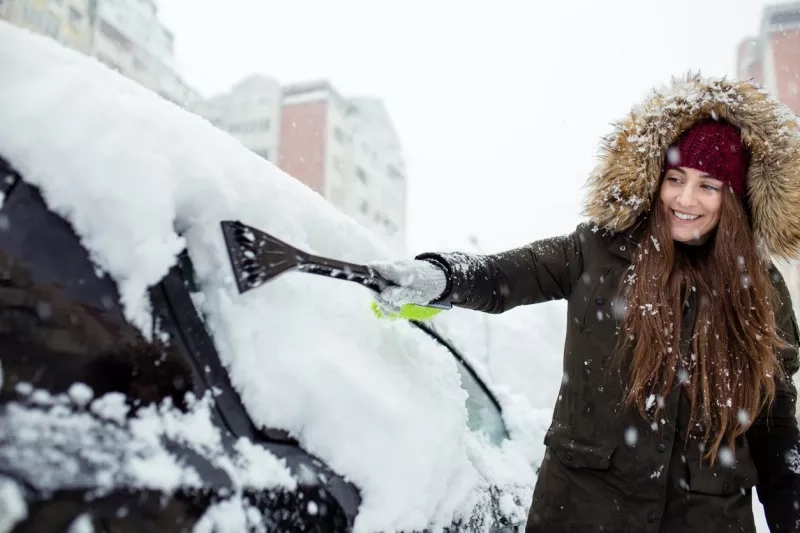
Driving with snow or ice on a vehicle is dangerous and illegal. Snow blowing from the roof or bonnet can obstruct a driver’s view or strike other vehicles, while ice buildup reduces visibility and vehicle control.
Before starting the engine, all snow and ice should be cleared from the roof, bonnet, lights, licence plate, mirrors and every window. Inside the vehicle, windows should be fully defogged before moving. Clear visibility in all directions is essential for spotting hazards early, particularly at intersections and when changing lanes.
Making snow removal part of a routine before every trip helps ensure nothing is missed when conditions are cold and visibility is limited.
Slow down
Winter roads reduce tire grip, even when they appear merely wet. Speed should always match road and weather conditions rather than posted limits, which are set for ideal conditions.
New drivers should increase the following distance significantly to allow extra time to stop. Braking and acceleration should be gentle and gradual to avoid skids. Steering inputs should also be smooth, especially when turning or changing lanes.
Extra caution is required on bridges, overpasses and shaded areas, which often freeze before surrounding roads. Slowing down early and maintaining steady control reduces the likelihood of losing traction in these high‑risk spots.
Watch for black ice
Black ice is one of the most dangerous winter driving hazards because it is difficult to see. Pavement may look wet when it is actually covered with a thin layer of ice. Black ice commonly forms when temperatures drop quickly in the late afternoon or evening, or overnight after snow or rain has melted.
It is most likely to appear on bridges and overpasses, near bodies of water, and in shaded areas. If a vehicle encounters black ice, the safest response is to remain calm, keep the steering wheel straight and avoid sudden braking or sharp steering until traction returns.
Recognizing when and where black ice forms helps new drivers anticipate hazards before they lose control.
Prepare for the unexpected
Winter conditions increase the likelihood of delays, breakdowns and collisions. New drivers should know what to do if they are involved in a collision, including moving to a safe location when possible, using their hazard lights, and calling for assistance.
A winter emergency kit should always be kept in the vehicle. Useful items include a snow brush and ice scraper, a blanket, warm gloves and a hat, a flashlight, a first aid kit, booster cables, non‑perishable snacks, water, and a phone charger. Keeping the fuel tank at least half full helps prevent fuel line freezing and allows the vehicle to run briefly for heat if stranded.
Practising winter driving skills in a safe, empty area can also build confidence. Controlled practice with gentle braking and slow turns on snow helps drivers understand how their vehicle responds in winter conditions.
Stay safe
Make sure your teen is protected on the road by adding them as Associate Members to your account.


