

What 3 EV tests taught 1 Canadian EV owner about electric vehicles
5 Minute Read
Summary
- Three large-scale EV tests examined winter performance, real-world range, charging times and long-distance usability.
- Results show modern EVs handle Canadian road trips, but charging speed, cost and weather remain critical factors.
- Rapid model evolution and diverse charging conditions highlight the need for independent, real-world testing.
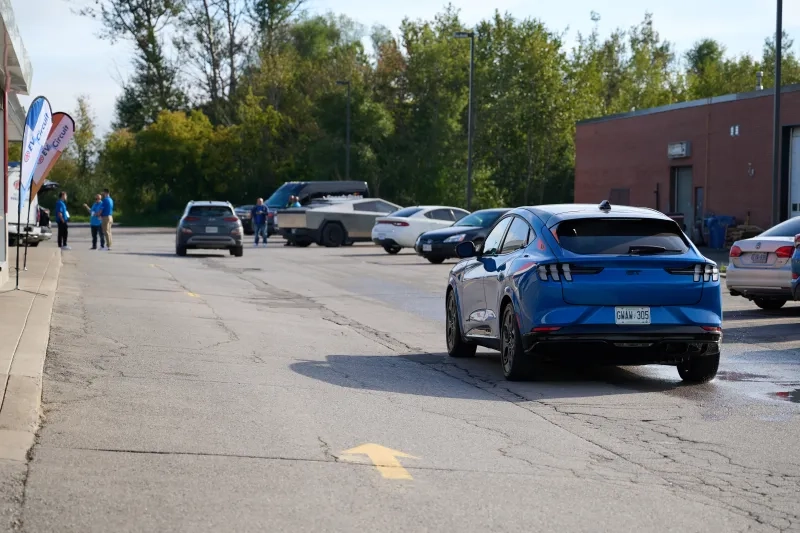
Standing in a parking lot recently at Blue Mountain, ON, surrounded by 22 shiny electric vehicles in the late summer sun, EV owner William Skorupinski reflected on the El Prix, an EV test he had taken part in months earlier.
In the mountains of Norway, where the El Prix circuit is one of the world's largest EV evaluations, the focus was on battery performance and charge rate in extremely cold conditions over two days.
At Blue Mountain, for the 2026 CAA EV Circuit, the goal was what EV ownership looks like in everyday driving.
For Skorupinski, vice-president of Automotive and Mobility Services at CAA North & East Ontario, it added another aspect to CAA's expertise in the field.
"In Norway, which is the most established test of new EVs, the focus is on the innovation in EV technology that manufacturers are constantly evolving. At Blue Mountain it was all about how those innovations translate into the everyday consumer experience," he said.
For both tests and last year's CAA EV Winter Test Drive, the results were all about a better understanding of what owning an EV actually involves: charging times, range and the day-to-day ownership experience.
How have electric vehicles changed after three major EV tests?
The first evaluation, held along a route between Ottawa and Mont Tremblant in 2025, focused on winter driving and examined how cold weather affects range, charging and overall performance in Canadian conditions.
The following year, Skorupinski travelled to Norway to take part in one of the world's largest winter EV tests. There, vehicles were evaluated in extreme cold to measure real-world range and performance.
The most recent test looked at something different. The 2026 CAA EV Circuit focused on the kind of road trip many Ontarians take every year, whether that's heading to a cottage, campground or weekend getaway.
"The point of this whole thing was not to see how long they would last. It's just on a general drive to your cottage and whatnot,” said Skorupinski. “What's the cost of ownership?"
Across all three programs, real-world information about how EVs perform in different conditions will help Canadians better understand their options.
Can today’s electric vehicles handle long Canadian road trips?
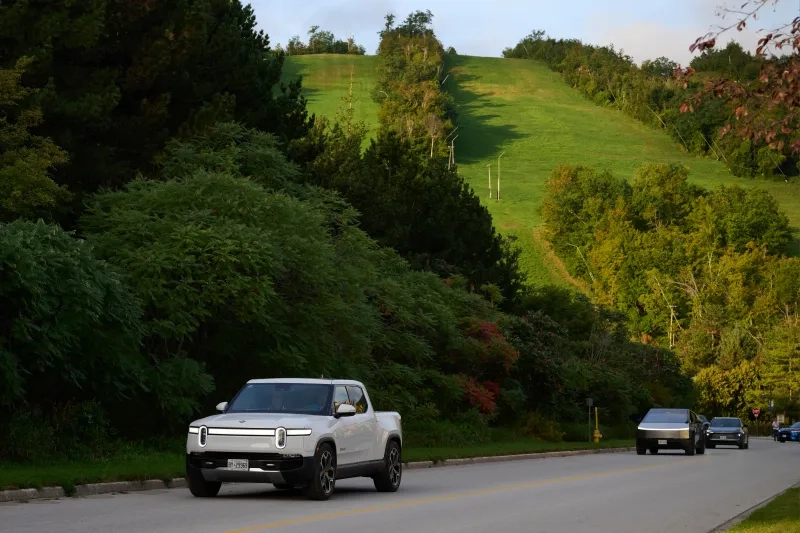
Not long ago, many people wondered whether an electric vehicle could make it through a long drive without running out of battery.
By the end of the 2026 CAA EV Circuit, all 22 vehicles had completed the route, including the vehicle with the shortest advertised range. On average, participants used only 40 per cent of their battery charge during the drive.
The route was designed to reflect a typical Ontario road trip and included a planned 15-minute charging stop. The results suggest that many of today's EVs are capable of handling that kind of journey.
That leaves drivers with a different set of considerations. Charging times, charging costs, and the amount of range a vehicle can add during a stop can have a major impact on the driving experience.
What should Canadians know about EV charging, efficiency and ownership costs?
If many of today's EVs can handle a road trip, the next consideration is what happens along the way.
Not all EVs charge at the same speed. Public charging stations do not always perform the same way, and costs can vary depending on where, when and how a driver plugs in.
During the 2026 CAA EV Circuit, some vehicles added 58 kilometres of range during a 15-minute charging session, while others added 178 kilometres. Costs also varied significantly across the lineup.
The charging station itself can make a difference. Speed can be affected by how many vehicles are using the station, how power is shared, and how much energy a vehicle can accept at a given time.
Weather plays a role as well. Vehicles in the EV Circuit used about 40 per cent less energy on average than those evaluated during CAA's winter assessment, showing how much temperature can affect efficiency.
Getting to your destination is only one part of the equation. How much energy a vehicle uses, how quickly it charges, and what it costs to keep it moving can have just as much impact on the ownership experience.
Why EVs are evolving so quickly
The variety of vehicles was hard to miss during the CAA EV Circuit. Participants drove everything from a Volkswagen ID. Buzz and Rivian pickup to a GMC Hummer EV and luxury models from Lucid.
That range of vehicles reflects how much the EV market has expanded. Electric vehicles now include compact commuter cars, family SUVs, pickup trucks, vans and luxury models, giving consumers more choice than ever before.
The differences are visible inside the vehicles as well. Skorupinski points to larger displays, improved software, and the growing amount of information available to drivers.
"The technology in them is crazy. It used to be you only had a screen. Now some of them have very long digital dashboards and a screen beside it. One vehicle told us how much it was rolling and pitching. There were screens and screens of data. Another car in the circuit even had a massage chair," he said.
"I don't think we should be surprised by the pace of innovation. The Chinese manufacturers have massive amounts of resources to throw at these projects."
Those developments are one reason independent testing remains valuable. Even a vehicle that is only a few years old can feel noticeably different from a newer model.
Are Chinese electric vehicles the next big change for Canadian drivers?
Some of the vehicles that caught Skorupinski's attention during the Norway evaluation weren't being driven in Canada at all.
While Chinese EV brands are becoming more common in Europe and parts of Asia, they were largely absent from the driving portion of the CAA EV Circuit. Some manufacturers were present as static displays, but their vehicles are not yet certified for Canadian roads.
That wasn't the case in Norway.
There, Skorupinski saw how quickly Chinese automakers have improved. Vehicles that once lagged in areas such as winter performance and battery technology are now competing with some of the industry's best-known brands.
That progress does not surprise him. He points to Japanese and Korean automakers, which also entered North American markets as newcomers before becoming household names.
It's still too early to know what role Chinese EVs will play in Canada. What Skorupinski does know is that the vehicles Canadians shop for a few years from now could look very different from the ones on the road today.
Why does independent EV testing matter for Canadian consumers?
After taking part in three very different EV tests, Skorupinski says the goal is not to find one definitive answer. It's to better understand how vehicles perform in real-world conditions and what drivers can realistically expect from them.
Manufacturer specifications can provide a useful starting point. They can tell drivers about a vehicle's advertised range, charging capabilities, and key features.
But once a vehicle leaves the showroom, factors such as weather, terrain, charging infrastructure and driving conditions can all affect how it performs.
That's why organizations like CAA continue putting EVs through Canadian conditions and comparing the results. The goal is not to declare winners and losers. It's to provide trusted, real-world information that helps Canadians better understand their options and make informed decisions.


