


How to use your air conditioner efficiently during a heatwave
3 Minute Read
Summary
- Efficient air conditioner use helps manage indoor comfort while limiting electricity costs during heatwaves.
- Guidance focuses on timing usage, sealing homes, maintaining systems, and improving airflow.
- Practical tips support Ontario households facing extreme heat, rising demand, and outage risks.
As summer settles in, warmer temperatures mean air conditioners are working harder, and household energy costs are adding up. Across Ontario, heat waves are becoming more frequent and intense as the climate warms, making extreme heat a more regular part of summer.
That shift is already changing how Canadians cool their homes. In 2025, 68 per cent of households reported using an air conditioner or similar cooling equipment during the summer months, based on data from the Canadian Social Survey.
Knowing how to use your air conditioner efficiently can help keep your home comfortable while managing energy use and costs. Here are some practical ways to improve your air conditioner's performance during peak heat.
Be smart about your air conditioner usage
Electricity costs can rise and fall throughout the day, which means the timing of air conditioner use can matter as much as how often it runs.
Being aware of higher‑cost periods and shifting cooling to lower‑cost times, when possible, can help keep energy bills more manageable during heatwaves.
If your utility offers time‑of‑use pricing, checking your rate schedule can help identify when electricity is cheapest. A programmable or smart thermostat can also help by adjusting cooling settings throughout the day, keeping indoor temperatures steady without unnecessary energy use.
Keep cool air in and heat out
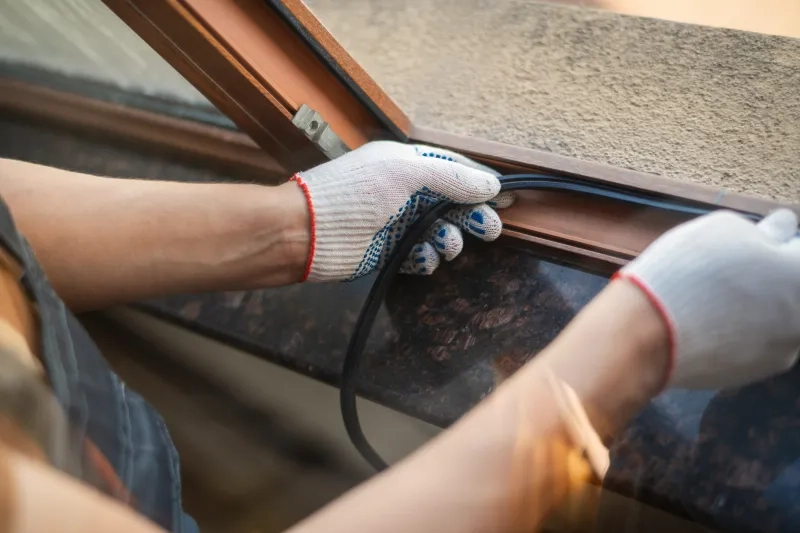
Keeping windows and doors closed while the air conditioner is running, using curtains or blinds to block direct sunlight, and sealing gaps around windows, doors and window units can all help limit heat entering the home and reduce strain on cooling systems.
Air circulation can also improve comfort. Ceiling fans help circulate cool air, allowing the thermostat to be set slightly higher without affecting how the space feels.
It may also be worth checking out local energy-saving programs, such as Ontario’s Peak Perks, which may offer incentives for reducing air conditioner use during periods of high electricity demand.
Basic maintenance that makes a difference
During extreme heat, air conditioners often run for extended periods, making regular upkeep especially important. Well-maintained systems tend to operate more efficiently and experience less strain during prolonged heat events.
For central air conditioners, air filters should be checked regularly, especially in homes with pets. Dirty or clogged filters restrict airflow and place additional pressure on the system, so they should be inspected every one to three months and cleaned or replaced as needed.
When cleaning outdoor coils, use gentle water pressure, with water sprayed at an angle rather than directly on the unit to help clear dirt without damaging the fins.
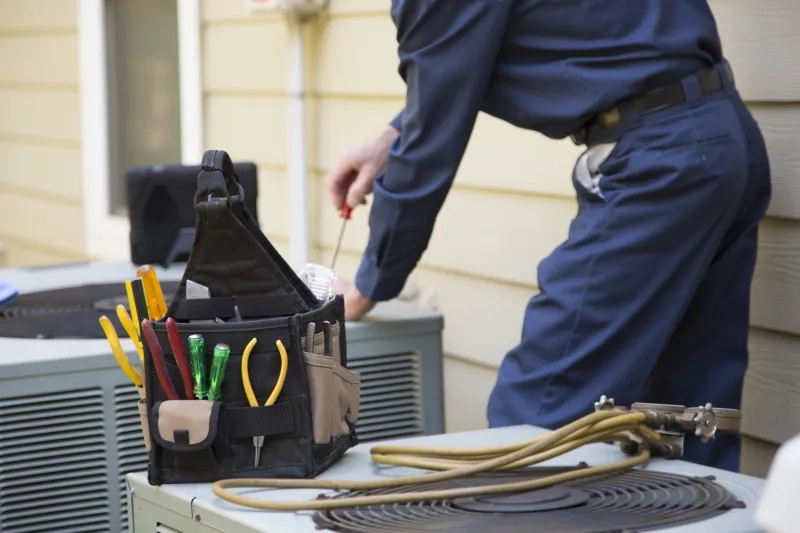
While some basic cleaning can be done at home, more detailed maintenance is best handled by a qualified HVAC technician, who can clean coils, check refrigerant levels, and confirm the system is operating safely.
Energy-efficient upgrades
Running an air conditioner during prolonged heat can push electricity use and costs higher than many households expect.
Through Ontario’s Home Renovation Savings Program, homeowners can get rebates for upgrades that reduce energy use during extreme heat, including insulation improvements of up to $8,900 and $250 for air sealing, which helps keep cool air inside and reduces strain on air conditioners.
If you’re upgrading your air conditioner, efficiency is worth paying attention to. ENERGY STAR‑certified units are designed to use less energy while providing the same level of cooling.
Another rating to look for is the Seasonal Energy Efficiency Ratio, or SEER. Higher SEER ratings mean the system uses less energy to cool a space, with most modern units falling between 13 and 25.
There are rebates for other upgrades as well. New windows and doors each qualify for a $100 rebate, while smart thermostats qualify for a $75 rebate, making it easier to manage cooling throughout the day.
A home energy assessment, which includes a rebate of up to $600, can help identify where energy and money may be slipping away.
Stay cool during extreme heat
Extreme heat can place additional strain on electricity systems, leading to power outages or disruptions. It can be helpful to think ahead about other ways to manage indoor heat if air conditioning is limited or unavailable.
Looking for more ways to reduce indoor heat? You can find practical tips for staying cool indoors, along with safety information.



