

Stay cool, stay safe: How to handle extreme heat in Ontario
4 Minute Read
Summary
- Extreme heat increases health risk as Canada warms twice the global average, intensifying heat waves.
- Seniors, infants, patients with chronic disease, and outdoor workers are more likely to experience heat-related health impacts.
- Public health guidance recommends using cooling centres, staying hydrated, and avoiding sun exposure from 10 a.m.–4 p.m.
Sweltering summer days are upon us—and while summer is full of outdoor fun, extreme heat can quickly turn dangerous if you aren’t careful.
With rising temperatures due to climate change, protecting yourself is more important than ever. Canada is warming faster than anywhere else on Earth, with temperatures rising twice as fast as the global average. Heat waves are getting hotter and longer; by the second half of the century, projections show that many Canadian cities will see at least four times as many +30°C days per year.
Under the blazing sun, a host of heat-related health impacts can arise, many of which are avoidable with proper precautions to stay cool. Unmanageable temperatures can also trigger heart, lung and kidney conditions, causing elevated death rates during heat waves in Canada.
Luckily, it’s possible to mitigate the impacts of extreme heat. Knowing your risks and having a plan is the first step to staying safe all summer long.
Who is most vulnerable to extreme heat?
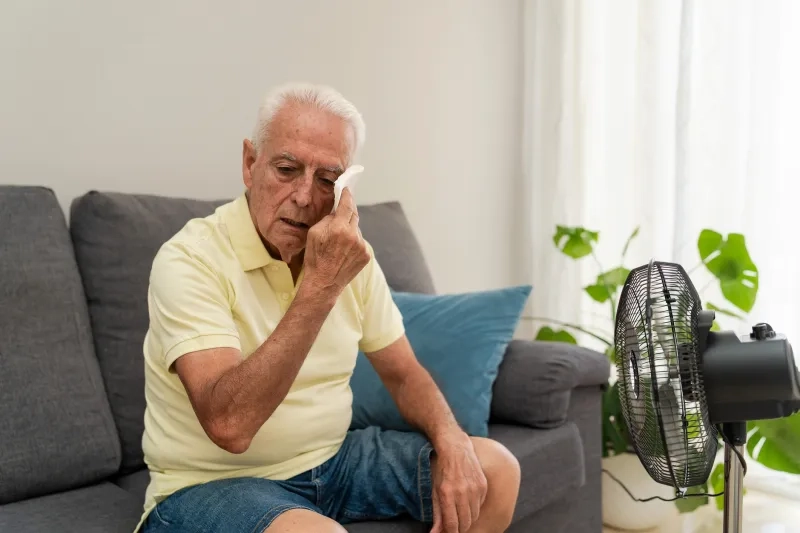
Hot weather impacts some groups more than others. Infants, older adults, and pregnant individuals may be more sensitive to heat or have a decreased ability to regulate their own temperature. Those with chronic conditions or illnesses, like heart disease, diabetes or respiratory issues, can be affected at an increased rate as well. This includes people on medications that decrease their ability to regulate body temperature.
Anyone working or exercising outdoors is also at a higher risk of heat-related illness. People living in spaces without air conditioning are disproportionately impacted.
Know who is most vulnerable in your community and regularly check on neighbours, friends or family members who may need extra support.
How to prepare for extreme heat
It's easy to dismiss extreme heat as typical summer weather, but, as with any extreme weather, it’s important to have a plan.
First, you’ll want to look into cooling centres in your area, like libraries, community centres, beaches, pools and splash pads. Other public spaces, such as shopping malls, can help you escape the heat. Call 2-1-1 for shelter locations or 3-1-1 for transportation assistance to cooling centers.
Put together an emergency kit that includes backup power options, such as batteries and power banks, in case of power outages. Be sure to include water, a battery-operated radio and a flashlight, along with food that won’t spoil if your fridge stops working.
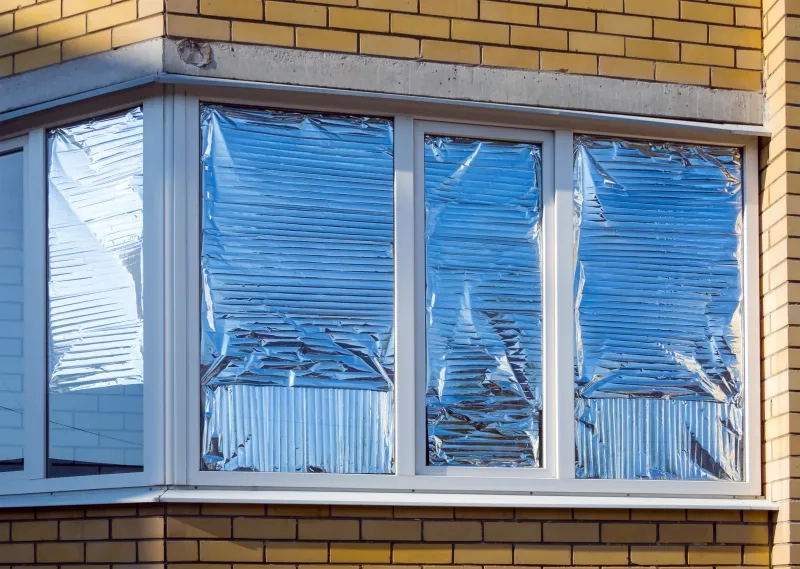
Before the heat wave hits, prepare your home. Make sure your air conditioner and fans are functional and serviced. If extreme heat is imminent, add temporary window reflectors (e.g., aluminum foil-covered cardboard) to block heat. Know where the coolest areas of your home are and prepare them accordingly.
Throughout the summer, you’ll want to monitor local weather forecasts for heat warnings, air quality alerts and UV index levels.
How to keep cool outdoors

If you’re spending significant time outdoors, make sure you’re staying sun safe. Wear light and loose clothing, use sunscreen and reapply every two hours or more, pack water and wear a hat. You can even carry an umbrella to bring the shade with you.
Avoid direct sun exposure between 10 a.m. and 4 p.m. Reschedule outdoor activities for a cooler time of day and take lots of breaks, especially if working outdoors.
Drink plenty of water and avoid beverages that can dehydrate you, like caffeine and alcohol.
Stay cool indoors

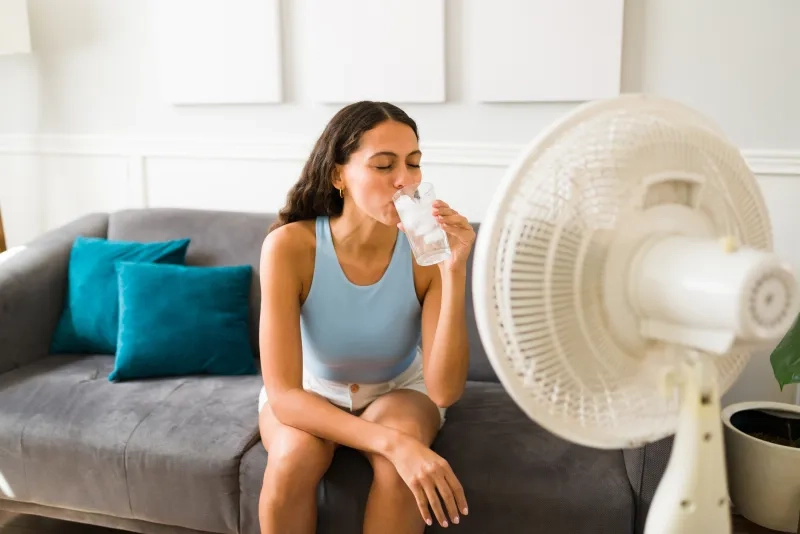
Even when you aren’t outdoors, it’s important to protect yourself in the heat. Start by running your air conditioner or fans. If the outside air is cooler than the inside air, position one fan by a window to bring cool air into the home. If you have a second fan, place it by a second window to push the hot air out.
When the temperature outside is hotter than inside, keep windows closed. Blinds and curtains should stay closed during the day as well, as direct sunlight can drastically increase the temperature. Reopen screened windows at night to encourage airflow.
Spend time in the coolest part of your home, whether that’s a basement or a room that gets less sun. Avoid using heat-generating appliances, like ovens. Have a water supply ready and drink plenty throughout the day.
Take cool showers and baths to lower your body temperature. For a quicker fix, soak your feet and hands in cold water to cool your entire body. Use damp cloths or ice packs on pulse points like your wrists and neck.
Your pets can overheat, too—provide them with plenty of water and access to cool spaces.
Recognize heat-related illnesses
Finally, know what to look for when the heat gets too intense. Heat-related illness can affect anyone, regardless of the strength of your immune system or if you have pre-existing conditions.
Mild heat illnesses include heat rash, which causes a red or pink skin rash (separate from a sunburn) and often appears on the neck, chest or elbow creases. Exposure to high temperatures can also cause heat cramps.
More severe heat illnesses are heat exhaustion and heat stroke. Symptoms of heat exhaustion include sweating, weakness, dizziness, headache, rapid breathing and heartbeat, extreme thirst, nausea, vomiting and fainting. Rashes and cramps also may appear. If you suspect heat exhaustion, move to a cool place and drink water.
Heat stroke, on the other hand, is a medical emergency. High body temperature, confusion, lack of coordination, dizziness, and fainting are common symptoms. The person may also stop sweating and have very hot skin. Call 911 if you suspect heat stroke.
To treat heat stroke until emergency personnel arrive, move the person to a cool space, apply cool water to large areas of the skin, and fan the person as much as possible.



