

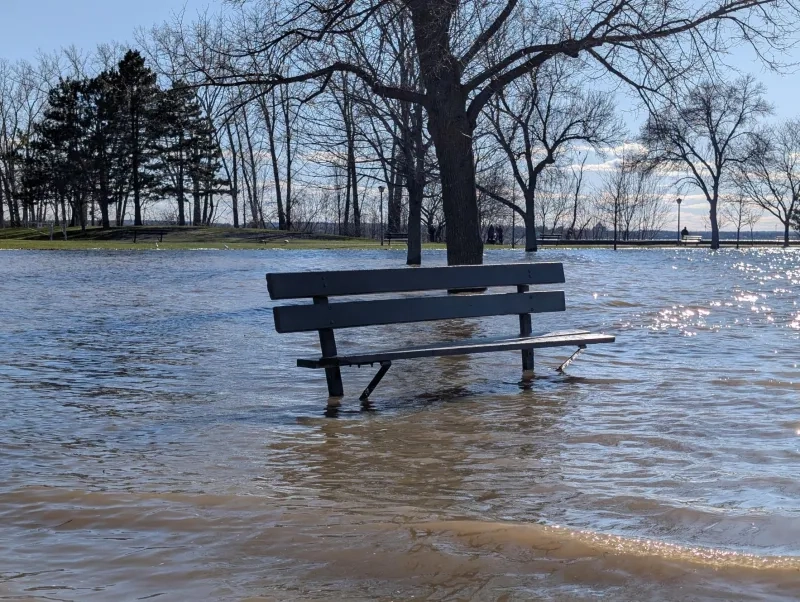
What to know about spring flooding in Ottawa, according to an expert
3 Minute Read
Summary
- Ottawa spring flooding peaks during snowmelt, affecting communities along rivers like the Ottawa, Rideau and Carp.
- Flood forecasting integrates water content of snow, rate of melt, , rainfall, ground conditions and more absorption; Ottawa River forecasts are released four days ahead.
- Residents should verify floodplain risk, monitor conservation authority alerts, and prepare their property year-round.
Spring flooding in the Ottawa area can be unpredictable—but that doesn’t mean it needs to catch residents off guard.
Every year, “an amazing amount of water has to make its way into river systems,” says Jim Lethbridge, Area Manager for Emergency Planning and Response with the City of Ottawa’s Public Works Department.
“When we talk about river flooding, segments of a river can react differently,” Lethbridge says. There is no one-size-fits-all approach. That’s why he advises everyone learn how their community handles flooding, from risk to recommended response.
The first step in preparing ahead is knowing where to find information. There are multiple resources from local river conservation authorities, municipal governments and the Ministry of Natural Resources. Your primary source of information will depend on where you live.
Where it floods in the Ottawa area
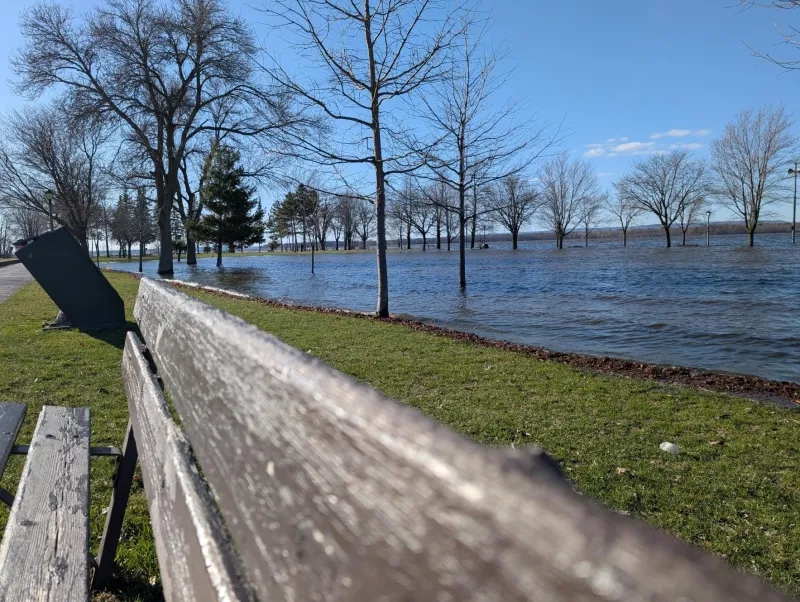
With the City of Ottawa’s territory spanning roughly 2,800 sq km, it is affected by the Ottawa River, Rideau River, Gatineau River, and smaller bodies such as the Carp River, Castor River, and Mississippi River. Flood preparation is a complex operation.
In the Ottawa area, the main source of flood information comes from the overlap of the Rideau Valley, Mississippi Valley, and South Nation Conservation Authorities. Together, they create an interconnected system to advise the City of Ottawa on flood plain mapping and flood forecasting.
Ottawa’s annual flooding reaches its peak in spring, when the snowmelt—also called spring freshet—causes our waterways to swell. Significant rain events or infrastructure overload can also contribute.
What causes flooding in Ottawa
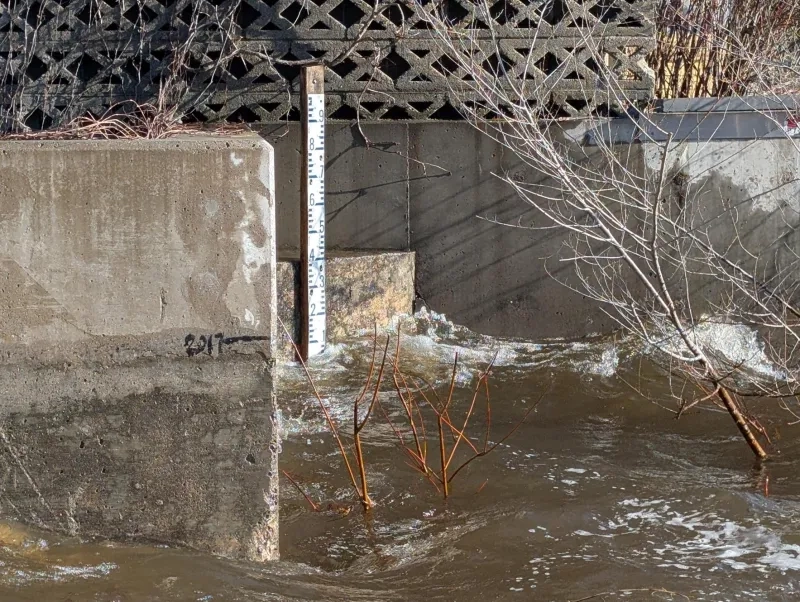
Flood forecasting takes many factors into account, according to Lethbridge. This includes snow water equivalent (how much water the snow will produce when it melts), rainfall rate, ground absorption, evaporation, and more.
With so many moving parts, it can be difficult to predict flooding in the long term. That's why the Ottawa River Regulation Planning Board only releases four-day forecasts. Depending on the evolving situation, they may update their forecast once a week, every few days, or daily. Other authorities across the province may report on different timelines.
“That just speaks to how complex it can be and why people really should become attuned to paying attention,” says Lethbridge. “Everything is contingent on what weather actually arrives ... People should have confidence in [the flood forecasts], but they need to check in and update regularly.”
How can I prepare for a flood?
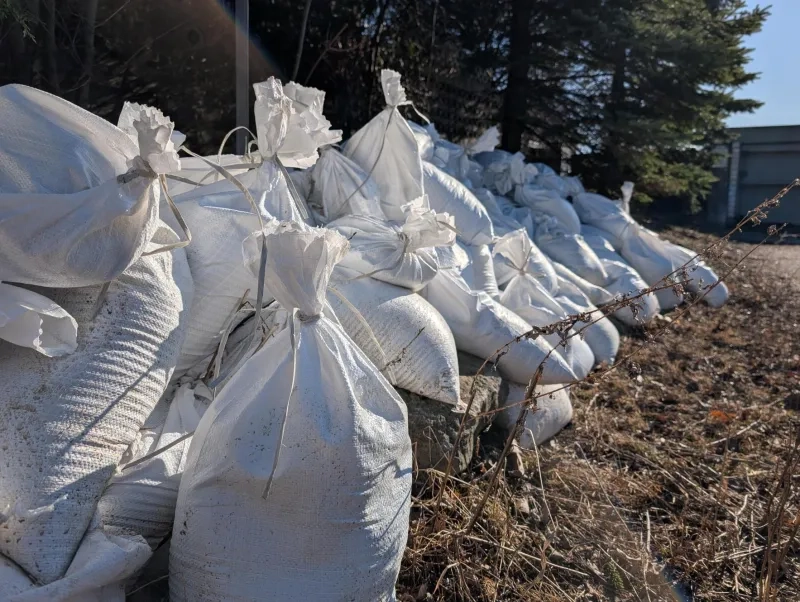
It’s important to be prepared before an active flood occurs—even if it seems like flooding won’t happen this year. Although the City of Ottawa provides support and resources like ditch clearing, alerts and sandbag distribution, residents should have their own flood plans.
The first step is understanding your risk.
“If your home is within a floodplain, the first step is, do you know that your home's in a floodplain?” Lethbridge says. “Speak to your neighbours if you're just moving into a community. Understand what's happened in your area in the past. If your home has experienced flooding in the past, okay, document some of that.”
“Was it an extreme event? Could it be worse?”
Residents can protect their properties by checking their sump pumps are in good working order, securing backup power sources, cleaning eavestroughs, ensuring downspouts are directed away from the home at least two metres, making sure the property has a proper slope away from the foundation, clearing ice and snow throughout the winter, checking caulking on below-grade windows and raising items off the floor.
How to be ready for floods all year
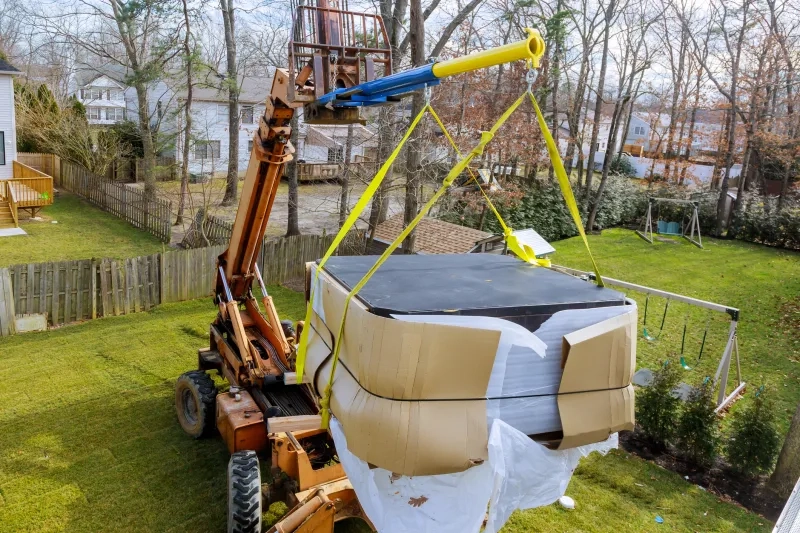
Potential future flooding should inform any major decisions you make about your property throughout the year, like renovations, Lethbridge advises. For example, consider your risk when building a deck, installing a propane tank, or installing a hot tub.
“We've had some experiences where there's been more significant flooding, and the hot tub has started to float away. That's connected to electrical panels somewhere; that creates a risk for someone.”
Maintaining your property and being flood-conscious—even when it’s not actively flooding—are the best ways to protect yourself and your home.
“We should be thinking about flood mitigation where we can and flood prevention where we need. So yes, it should be a year-round piece,” says Lethbridge.



