

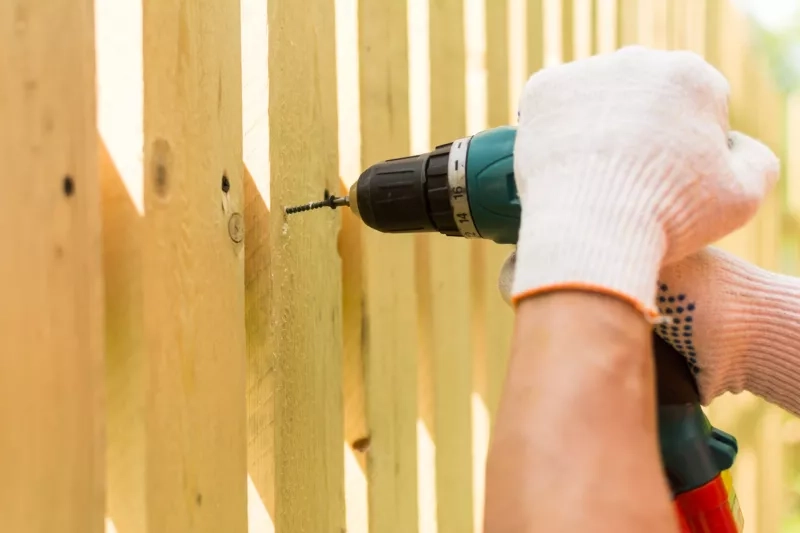
Building a fence? Here's what you need to know
3 Minute Read
Summary
- Building a fence starts with confirming property boundaries using surveys or professional verification.
- Municipal zoning bylaws set fence height, materials and placement requirements across Ontario communities.
- Early neighbour communication and design choices reduce disputes and support long-term yard function.
A well‑built fence can quietly do a lot of work. It can frame your home, create a sense of privacy and help keep children and pets safe, all while adding structure and definition to your outdoor space. For many homeowners, it’s one of the most visible and practical upgrades they can make.
But building a fence isn’t as straightforward as it may seem. From unclear property lines and municipal bylaws to neighbourly sensitivities and landscaping challenges, there are several factors that can complicate the project before the first post hole is even dug. A fence that’s poorly planned can lead to disputes, unexpected costs or the headache of having to redo work that doesn’t meet local requirements.
Whether you’re replacing an aging boundary, adding privacy or starting fresh in a new home, a little preparation goes a long way. Here’s what homeowners should know before committing to a fence project.
Start with your property lines
Before you start building, your very first step should be to determine the boundaries of your property, says Jay Saveall, president of Green Side Up Contracting, based in Aurora, Ont. If you don’t have it on hand, you can request a copy of your land survey from your local municipality.
“You can go to the town and get one, but then you’re counting on the survey being accurate,” Saveall says. “You should double-check by measuring and identifying the property line yourself.”
Homeowners can also hire a land survey company to place flags along the property line. Costs vary, but typically range from a few hundred dollars to more than $1,000, depending on the size and complexity of the lot.
Talk to your neighbours early
The saying “good fences make good neighbours” may be true, but fences can also be a source of tension if expectations aren’t clear. Giving neighbours advance notice and showing them your plans before construction begins can go a long way toward maintaining a good relationship.
You don’t need your neighbour’s approval as long as the fence stays on your property, but open communication can help prevent misunderstandings, particularly when it comes to access during construction or the appearance of the finished fence.
Check local bylaws before you build
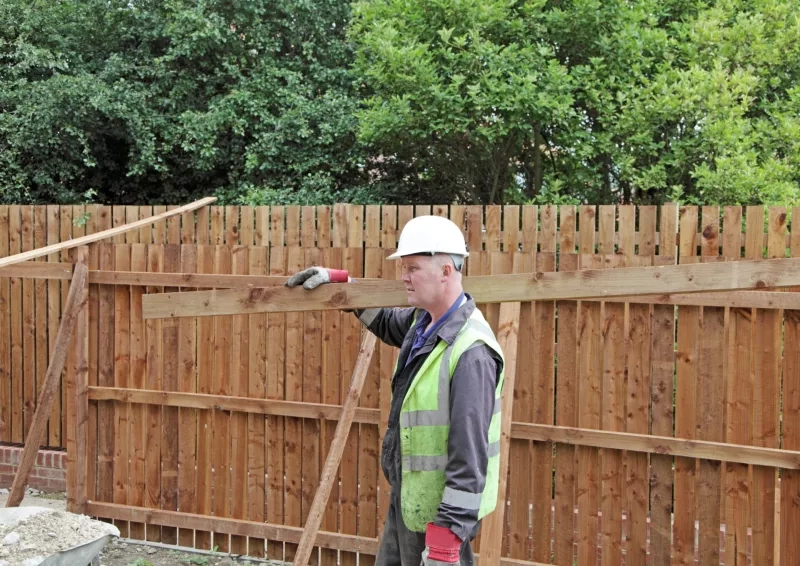
Every municipality has its own zoning bylaws governing fence height, placement and materials. These rules can vary depending on whether the fence is in a front yard, backyard or corner lot. Some areas also restrict certain materials or require permits.
Before committing to a design, confirm local requirements to ensure your fence complies. Skipping this step can result in fines or, in the worst case, having to remove or modify a newly built fence.
Choose a style that works for your yard
Fence style isn’t just about aesthetics. It should also suit your property’s layout and landscaping. Solid privacy fences offer seclusion but may not be ideal for gardens or areas that need airflow.
“If you have a lot of gardens around the property, you’re going to want a fence that allows air to flow through the boards so your perennials can breathe,” Saveall says.
Consider how the fence will interact with slopes, trees and existing features. In some cases, a semi‑private or decorative fence may be a better fit than a fully solid design.
Think long term

A fence is a long‑term investment, so it’s worth considering maintenance, durability and how it will age over time. Different materials weather differently in Ontario’s climate, and ongoing upkeep can affect both appearance and cost.
Beyond looks, a fence also plays a role in protecting your property. From keeping children and pets safe to defining boundaries, it’s one more element of your home that deserves thoughtful planning.
Get the right coverage
Major home improvements can change how you use and protect your property. If you’re investing in a new fence, it may also be a good time to review your coverage. Protect your property inside and out with CAA Home Insurance¹.
1 Home Insurance is underwritten by CAA Insurance Company. Certain conditions, limitations and underwriting guidelines apply.



