


Buying or selling your home in 2026? Here’s an expert’s advice
4 Minute Read
Summary
- Ontario housing activity is projected to rise by more than 8% in 2026, driven by lower interest rates and expanded mortgage options.
- Buyers should define must‑haves, enlist licensed professionals and get a home inspection to avoid costly surprises.
- Sellers should declutter, complete minor repairs and price accurately using comparables to achieve stronger results.
Whether you’re a prospective home buyer or you’re selling your property, entering the housing market in 2026 can be daunting. It's an ever-changing game that's difficult to navigate on your own.
With so much to keep track of, expert advice will put you ahead. That's why we asked Alex Hartle, Sales Representative and Head Coach for REVEL Realty. Here’s what we learned about the current market and how you can get ahead.
What’s changing in 2026
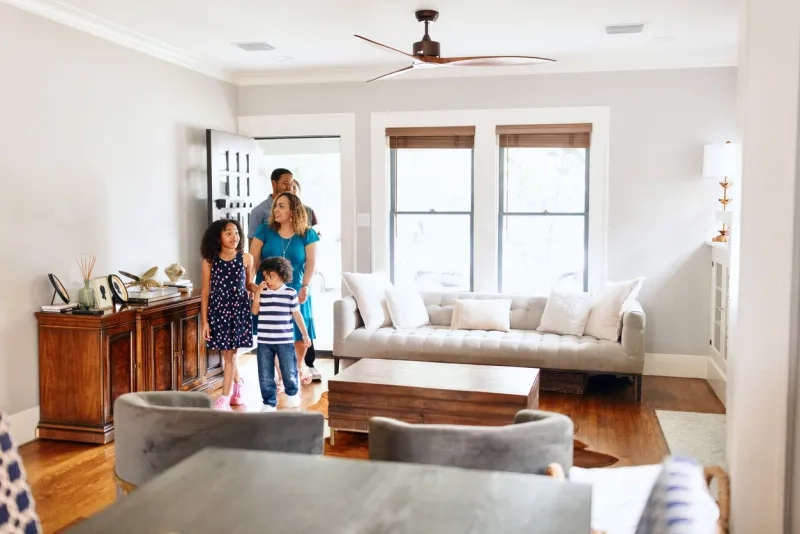
Amid anxieties about the economy and cost of living, the housing market is showing modest signs of recovery.
With the insured mortgage price cap bumped up to $1.5 million and expanded eligibility for 30-year mortgage amortizations available to new homebuyers, Canadians have more options. As interest rates have fallen low enough to make ownership attainable for some who have been shut out in the past, the Canadian Real Estate Association expects these first-timers to take advantage of these changes.
For this reason, activity in Ontario is expected to rise by more than eight per cent in 2026.
“Improving rates have shifted the tone of the market more than the fundamentals,” Hartle says. “Buyers aren’t rushing the way they did in ultra-low-rate years, but they’re no longer frozen either.”
Despite the uncertainties of a changing market, knowing what to expect and preparing to sell or invest in a property will ultimately help you succeed.
How buyers can make savvy choices
If newfound affordability has opened the door to homeownership for you, understanding the process is important.
First, consider whether this is the right move for you—and how much you can afford to pay. Stretching your money too thin when buying the “perfect” house can create financial difficulties down the line. That's also why you should save as much as you can for a down payment before moving forward. The Government of Canada suggests five per cent up front for a home priced at $500,000 or less, with that amount rising if you’re looking at pricier properties.
It's a good idea to team up with professionals, starting with a real estate agent. The Government of Ontario has a guide to finding a licensed real estate agent to guide you through the process. Aside from helping you find properties, a real estate agent can connect you with a mortgage broker, home inspector, movers and more to make the process seamless.
Next, get a mortgage pre-approval to lock in your interest rate for up to 130 days, which will give you an idea of your monthly payments and show you the maximum mortgage amount you qualify for. It will also help things move quickly once you find a home you love.
You'll want to make a list of your must-haves and dealbreakers. A home is a long-term purchase, Hartle advises. “Your home needs to work for your life today and still make sense if circumstances shift. Focus on strong locations, realistic budgets and properties that would still be appealing five or ten years from now.”
Ask yourself—how many bedrooms do you need? What neighbourhood do you want to live in? Would a swimming pool sweeten the deal? You should also consider whether you want a new build or a fixer-upper.
Once you’ve found your dream home, you’ll make an offer. This will include your purchase price, deposit, completion date and any conditions you or the homeowner must meet before the sale closes. It's a good idea to make a home inspection a condition of your offer, which can save you from nasty surprises down the line.
Understanding the resources available to you will set you up for success. Use tools like affordability calculators, neighbourhood guides and first-time buyer programs to help you navigate the process.
Getting the most out of selling

For sellers, similar advice stands. Work with professionals as much as you can, don't underestimate the value of real estate agents, stagers and professional cleaners. Your real estate agent will help you look at comparables—similar homes in your area—to help you decide how to price yours.
Before you put your home on the market, prepare it for buyers. You'll want to do a serious declutter first. Don't just shove items in storage, as buyers might open that random closet door to check out the space.
Minor repairs or improvements can make the home more functional and polished. “Small fixes, neutral presentation, and honest pricing matter more than ever,” says Hartle.
For any major changes, such as new windows or a roof replacement, talk to your real estate agent for advice. You can improve your curb appeal by updating the exterior of your home with fixes like landscaping, a fresh coat of paint, or repairs to those loose front steps.
“The biggest mistake sellers make right now is assuming the market will do the heavy lifting. Buyers are selective, and homes that are clean, well-maintained, accurately priced, and professionally presented are the ones that sell,” Hartle advises.
When it comes to staging, pack up personal trinkets, give your walls a neutral coat of paint and switch out your bedding. Remember that the point of staging is not to show off your individual style, but to help buyers imagine their own lives in the space.
As the seller, you must also organize any paperwork that will either help you or be necessary for the buyer. This includes deeds, survey plans, property tax receipts, inspection reports and more.
Insurance considerations
It’s best to contact your insurance provider as early as possible, as they can advise you on what coverages are in place for your move and any potential hurdles with insuring the new property.



