

Emergency kit basics: Simple steps to protect what matters in extreme weather
3 Minute Read
Whether you live in a rural community or in the heart of a Canadian city, an emergency kit helps ensure that your family’s basic needs are met in the event of an unexpected crisis. Extreme weather events and emergencies can take many forms and have the potential to disrupt daily life
While we can’t determine when emergencies caused by extreme weather happen, we can control how ready we are. Remaining proactive and informed is especially important, as increasingly wild storms have caused power outages and disrupted services in North and East Ontario. With this in mind, you should assemble an emergency kit that can support you and your household for seven days.
Emergency kit essentials every household should have
The Government of Canada and the Canadian Red Cross offer detailed guidance on what to include in an emergency kit, and many of the essentials are items you may already have at home. You can also purchase individual supplies or preassembled kits online as part of your emergency preparedness planning.
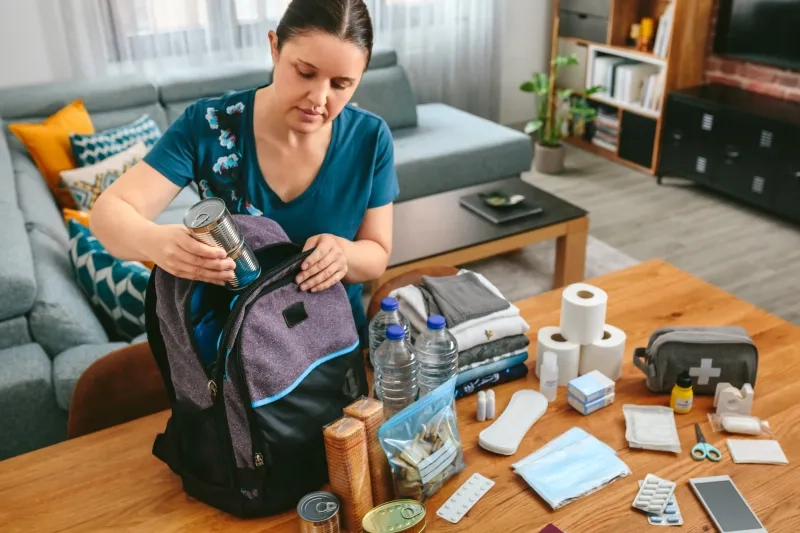
At a minimum, your emergency kit should include water and food. Plan for four litres of water per person per day, along with non-perishable foods such as canned goods, granola bars and baby formula if needed. A manual can opener is essential, as are warm clothing and blankets appropriate for the season. Also, consider pets' needs and get a microchip in case they become lost in any confusion.
Your kit should also include a flashlight, a battery-powered or wind-up radio, and chargers for mobile devices. Extra batteries or alternative power sources can help keep you connected and informed if electricity is unavailable.
First aid, medication and important documents
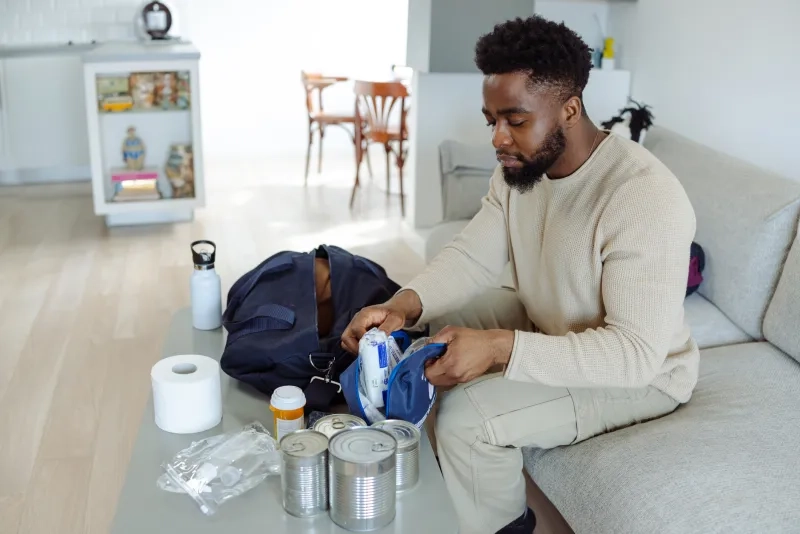
A well-prepared emergency kit should include basic first-aid supplies, such as bandages, antiseptic wipes, protective gloves, pain relievers, and face masks. It’s also important to store enough prescription medication to meet your family’s needs for up to a week, along with a small amount of cash in case electronic payment systems are unavailable. If your pets require medication, tuck a supply into the kits, as well.
Consider adding copies of important documents, such as birth certificates, passports, wills, and insurance policies. These should be stored in waterproof packaging.
If anyone in your household has limited mobility or other specific medical needs, be sure to include any specialized equipment or supplies they rely on daily.
Where and how to store your emergency kit
Keeping your emergency kit organized and easy to access is just as important as knowing what to include. Consider storing kits in backpacks, duffel bags, or wheeled suitcases to improve portability and ensure you’re ready to move quickly if evacuation is required.
You may also personalize your kit based on your family’s needs, including your pets. In addition to maintaining your supplies, staying informed through official government alerts during extreme weather and emergency events helps you respond appropriately as situations evolve.
Why an emergency checklist and plan make a difference

Building an emergency kit doesn’t have to be overwhelming. Creating an emergency checklist can make the process manageable and help you stay proactive. A checklist allows you to track what you have, identify what you still need and replace expired items over time.
Using a checklist also ensures your kit reflects the needs of each household member and aligns with your broader emergency plan. It’s a simple way to stay organized and prepared without added stress.
Create an emergency plan for every situation
An emergency plan helps you and your family respond confidently, no matter the circumstances. While staying home is often the safest option, this depends on the type of emergency and guidance from local authorities.
If evacuation becomes necessary, your plan should clearly outline where you will go and how you’ll get there. If you plan to travel by vehicle, it’s important to have a vehicle preparedness kit ready and to ensure you have enough fuel or electricity to reach your destination. If driving isn’t possible, identify alternative transportation options or trusted contacts who can help.
Prepared, informed and ready
Extreme weather and emergency events are difficult to predict, but preparation can make a meaningful difference. By assembling an emergency kit, maintaining a checklist and creating a clear plan, you strengthen your ability to protect what matters most.
For more information on emergency preparedness and how to stay ready before extreme weather strikes, visit our extreme weather page.



