

What to know before renovating your home according to an expert
3 Minute Read
Summary
- Focus on essential upgrades, like the roof, windows, and a sump pump, to help maintain your home’s value and lower the risk of damage.
- Install hardwired smoke alarms, carbon monoxide detectors, sprinklers, and a security system to improve safety and reduce insurance risk.
- Updating your roof, siding, windows and doors can boost curb appeal and make your home more efficient over the long term.
Are you dreaming of a home renovation? Whether you're planning to upgrade your kitchen, add a bedroom, or spruce up your backyard, it can be an exciting and rewarding experience.
However, before you start tearing down walls or picking out fixtures, it's important to understand the potential risks and benefits. We spoke with CAA's Elliott Silverstein, Director of Government Relations (Insurance), to get insights on what you need to know before embarking on your home renovation journey. We'll share practical tips to help you make informed investment decisions for your home.
Changes and the value of your home
First things first: think about why you are renovating. Some additions, like a swimming pool, are great for your lifestyle but may not add significant value to your home. If you're taking on big projects, such as replacing a roof, it is important to do your homework on the best products and contractors. A new roof is a necessary and costly undertaking, not just a nice-to-have feature, when it comes to ensuring your home retains its value.
Prioritize the must-haves over the nice-to-haves. For example, new windows can lower your heating costs. A sump pump can also be a lifesaver in preventing basement water damage. In fact, many home insurance companies offer discounts for installing a sump pump because it is a preventive measure. If you have a long list of potential renovations, make sure you invest in projects that do more than just upgrade your home's appearance.
Enhance your home's safety and security
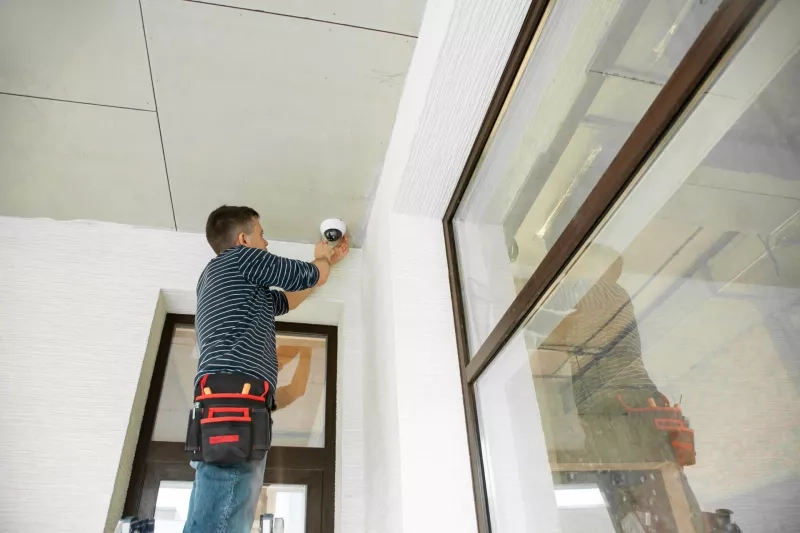
If you don't already have them, invest in fire alarms, carbon monoxide detectors, and sprinkler systems. Upgrading to a hardwired system means they will last longer and can work with a smart home system. Although they use electricity, they also have backup batteries in case of a blackout. Smoke alarms and carbon monoxide systems significantly improve your home's safety.
You should also consider getting a security system. Insurance providers often consider homes with installed security systems to be a lower risk. If you install one, let your insurance company know, as it could lower your premiums. A security system can reduce the risk of theft or burglary. Smart home systems are becoming common, especially in new builds, so many potential homebuyers now expect them. These systems can send updates to your phone and be programmed to remotely set your temperature and security settings.
Boost curb appeal
Updating your home's exterior is a great way to boost curb appeal and increase its resale value. But replacing your roof, siding, or even windows and doors can also save you money in the long run.
New siding helps keep your home at a consistent temperature. It prevents cool air from your air conditioner or warm air from your furnace from escaping. New windows and doors also help you save on heating and cooling costs. When it comes to your roof, it is always better to replace it before you absolutely need to. Getting your roof re-shingled helps protect your home from leaks and water damage. A new roof can also reduce your heating and cooling costs.
Laying the groundwork before you begin
Proper planning and research are crucial before starting any renovation project. Do you need a permit for your project? You want to avoid getting halfway through an addition only to find out you must tear it all down and possibly pay a fine. Investigating municipal permissions in advance can save you from major headaches.
Make sure to review your home insurance and that your renovations comply with local building codes before you start. These codes are in place for a reason, primarily to ensure building and personal safety. A poorly planned renovation that fails to meet code requirements will negatively impact your home's resale value and could pose a risk to you and your family.



