

Winter pet safety tips for dogs and cats
4 Minute Read
Summary
- Cold weather pet care essentials include coats, boots, and limiting outdoor exposure for safety.
- Recognizing cold signs in pets involves monitoring shivering, lethargy, and seeking warmth indoors.
- Protecting pet paws includes wiping them with a damp cloth to remove irritants.
When the cold weather descends on Ontario and winter takes hold, some of us shiver with dread, while others smile with delight. And, depending on their breed, personality and tolerance for cold, the same is true for dogs. Huskies and Samoyeds can’t wait to get out and play in the snow. But a chihuahua? Toy and short-haired breeds likely have a little less tolerance for the cold.
Dogs
“Really pay attention to the individual needs of your dog,” says Stephen Smith, senior manager of marketing and communications at the Ottawa Humane Society. “Understand [whether your dog] is the type who’s going to love going for a long walk in the cold, or who's going to want to do a short little walk around the block, do their business and get back inside as fast as possible.” Staying close to home ensures you can get back quickly if they show signs of chill.
Identifying chill: Smith says to watch for signs that your pup is happy outside — if they look relaxed, they’re probably fine. If they’re shivering or trembling, it’s time to go in. When they’re cold, dogs may also curl up and tuck their paws under themselves. Cold extremities, slower walking or a reluctance to walk, lethargy, whining, gravitating to warm places such as heaters or blankets, or hunching with a tucked tail are all signs your dog is cold.
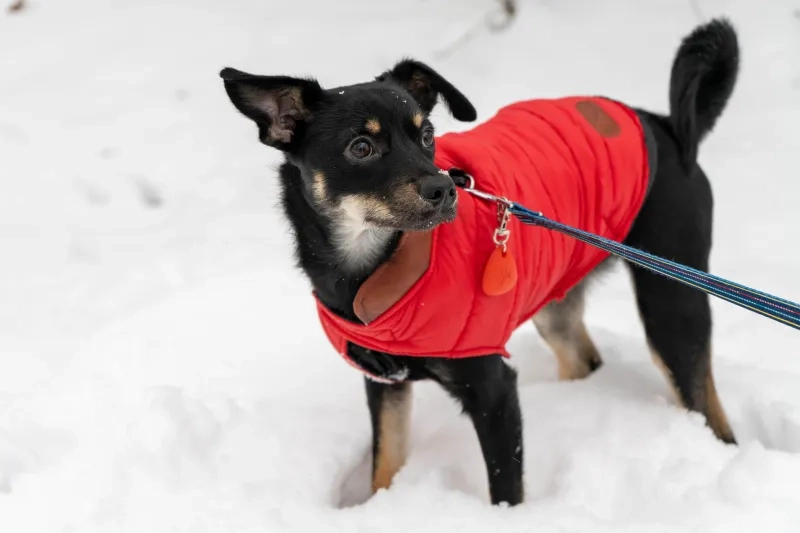
Suit up: Dog coats are actually more than a fashion statement and “certainly are useful” in keeping your pooch warmer, Smith says. “Just like a person wearing their jacket, that coat is keeping your dog's body heat closer to them and then helping them to stay warm by themselves, rather than letting them lose [their body heat] into the air.”
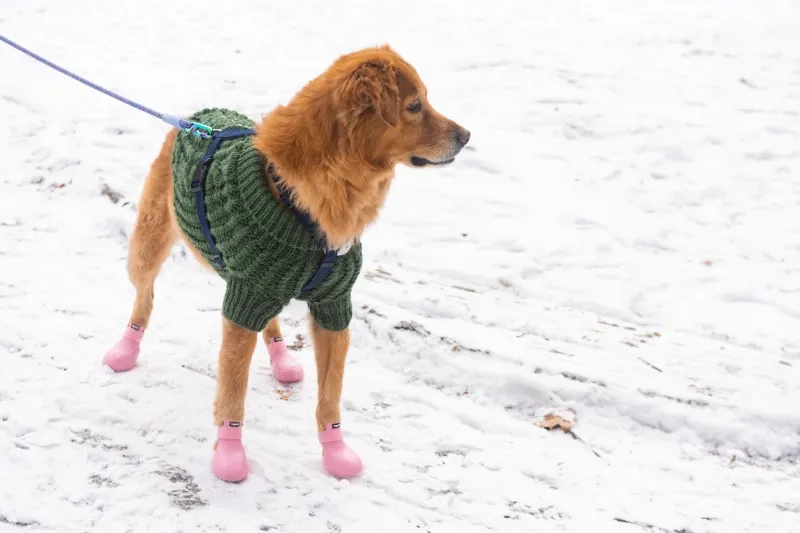
Watch the tootsies: Even for dogs who like the cold, Smith says dog boots are a good idea because there's salt, ice and chemicals on the road that can irritate an animal's paws. If your dog is dead set against the boots — and some are — wipe down their paws with a damp cloth after the walk to remove any irritants.
Keep the natural insulators: It makes sense to keep your pup’s haircutsto a minimum in the winter so the excess hair gives them extra insulation, though it’s not a bad idea to trim belly hair that might get caught or matted in ice or snow. For short-haired breeds, consider the dog coats mentioned above.
Know your surroundings: If you’re walking somewhere unfamiliar, keep your dog on a leash in case you come upon a seemingly frozen body of water that won’t support their weight.
Cats
The Ottawa Humane Society and several other similar organizations and rescues always advise keeping cats inside. It protects the birds and other small prey from your predators, but it also keeps your kitty safer, too. “This becomes especially important as the temperature plummets, and it can be dangerous for a cat who is left outdoors,” Smith says.
Get them microchipped: Whether you let your cat outdoors or not, microchipping them just makes sense. If they happen to get outside and disappear — and we all know it can happen — a microchip will ensure your cat gets back to you sooner.
Protect the paws: The same advice for dogs applies to cats if they go outdoors. Use a wet cloth to wipe down their paws when they come back in.
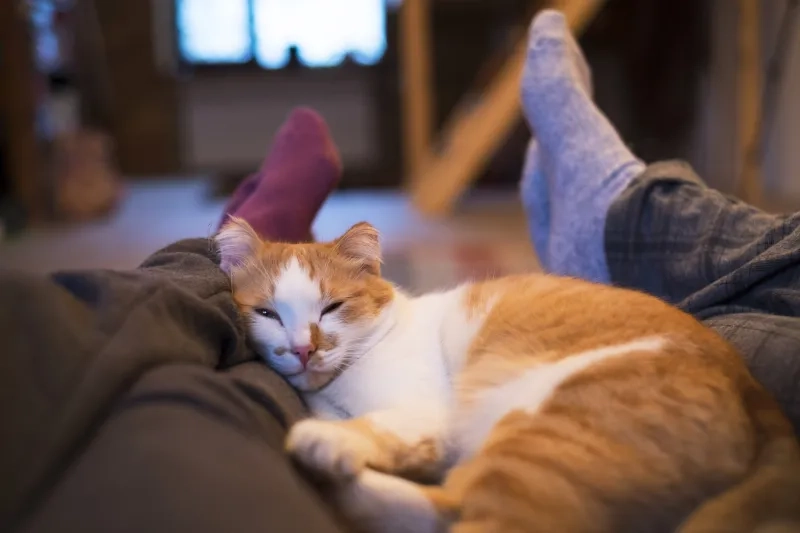
Watch for signs they’re cold: Cold cats curl up into a ball or tuck their paws under their bodies to conserve body heat. They can also be lethargic. If they are seeking out warm spots, such as heaters or blankets, it’s a sign they may be cold.
Essential winter emergency checklist for pets
Cold weather also increases the odds of winter storms that knock out power, and you need to remember that you're in any emergency planning. Whether you have a cat, a dog or both, it’s a good idea to have on hand:
- Three days' worth of food for each pet
- Blankets and towels
- A carrier or crate
- An extra collar or muzzle
- Copies of their medical records
- Medications
- A pet first aid kit
- ID tags and their microchip number
- Contact information for your vet, including an emergency number
Avoid pricey vet bills
Your pets are part of the family, and CAA understands they need to be protected, too. Did you know CAA Members save 13.5% on pet insurance plans*? Call 1-833-323-2456 or get a quote online to get started.
*Members receive a discount of 13.5% off. Non-members receive a discount of 9% off.
All pet insurance plans have limitations and exclusions. Specific products, features, rates, and discounts may vary by province and territory, eligibility, and are subject to change. Medical Conditions that are noted, symptomatic or diagnosed prior to enrollment, or during a waiting period are pre-existing to Coverage and not eligible for reimbursement. Waiting periods, annual deductible, co-insurance, benefit limits and exclusions may apply. This advertisement is an outline only; policy terms and conditions 'User Guide' will prevail. For all terms and conditions visit: https://www.petsplusus.com/service-claims/brochures-guides
Pets Plus Us Pet Insurance policies are underwritten by Northbridge Insurance, distributed by PTZ Insurance Services Ltd. & Société d'Assurances Collectives (Sodaco) Inc. in Quebec.Sodaco is registered with Autorité des marches financiers as a Damage insurance broker firm, in the following disciplines: Insurance Damage (Broker) and Personal Insurance (Reg#603622) https://lautorite.qc.ca/en/general-public/registers/register-of-firms-and-individuals-authorized-to-practice Pets Plus Us Pet Insurance is available in all provinces and territories. Pets Plus Us®, Pets Plus Us & Design and related words and logos are trademarks and the property of PTZ Insurance Services Ltd.
® CAA trademarks are owned by, and use is authorized by, the Canadian Automobile Association.



