

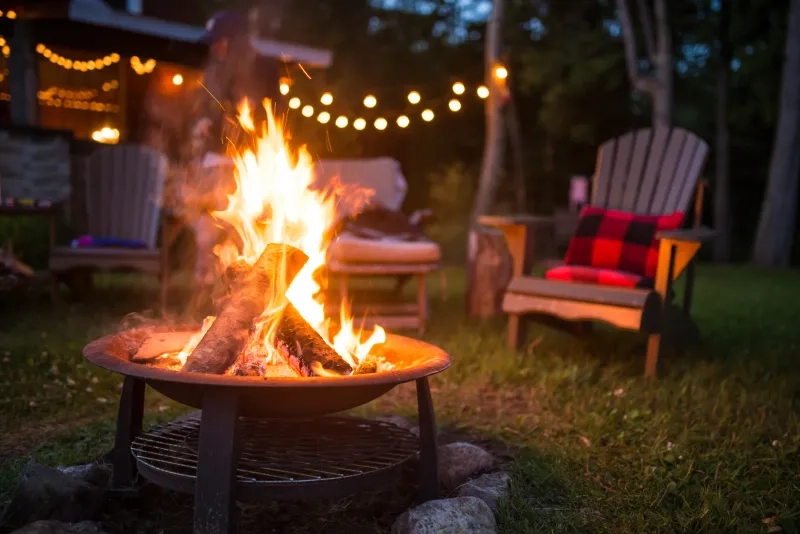
Is your backyard a fire hazard? Preventative measures every homeowner should know
2 Minute Read
Summary
- Ontario homeowners face wildfire risk from common backyard activities, especially during dry summer conditions.
- Improper barbecue use and unpermitted open fires account for many human-caused incidents.
- Following Ottawa bylaws, permits, and safe burning practices reduces property and community fire hazards.
Wildfires pose a serious threat in Ontario, particularly during the summer months when dry conditions, flammable vegetation and increased outdoor activity raise the risk. While Ontario is recognized as an international leader in wildland fire management, the province continues to face significant fire hazards closer to home.
In fact, according to the Ontario Government, roughly 50 per cent of wildfires are human-caused, underscoring the role individuals play in preventing fires before they start.
How human activity contributes to wildfire risk
Human-caused fires stem from both open-air and non-open-air fires. These include everyday activities that may seem routine but can quickly become dangerous if safety rules are ignored. Understanding local bylaws and seasonal fire bans is essential to reducing fire hazards year-round.
Non‑open‑air fires: Common backyard fire hazards
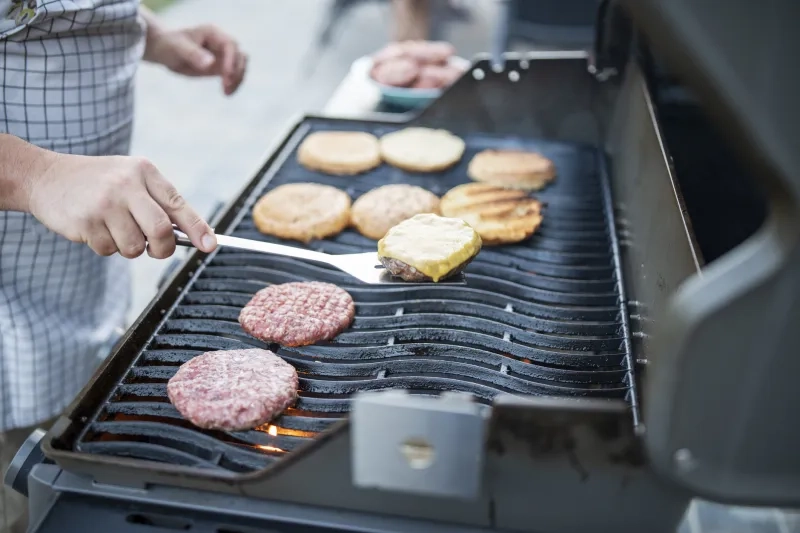
Non-open-air fires are those contained within enclosed equipment, such as barbecues and grills. While common, these can still pose a fire hazard if used or maintained improperly, particularly during high-risk wildfire seasons.
According to the City of Ottawa, you should never leave a barbecue unattended while it's in use. Barbecues are for outdoor use only and must be kept at least one meter (three feet) away from combustible materials.
Before using your barbecue, inspect the grill for obstructions, rust, or debris, and replace any damaged parts. You can test gas connections for leaks using a simple solution of water and dish soap. Once the grill is ready, check the surrounding area. Remove flammable materials like dry leaves and other debris, and ensure it isn't under any low-hanging branches.
Following these guidelines helps homeowners reduce fire hazards and ensures equipment is used and maintained safely.
Is your property eligible for a burn permit?
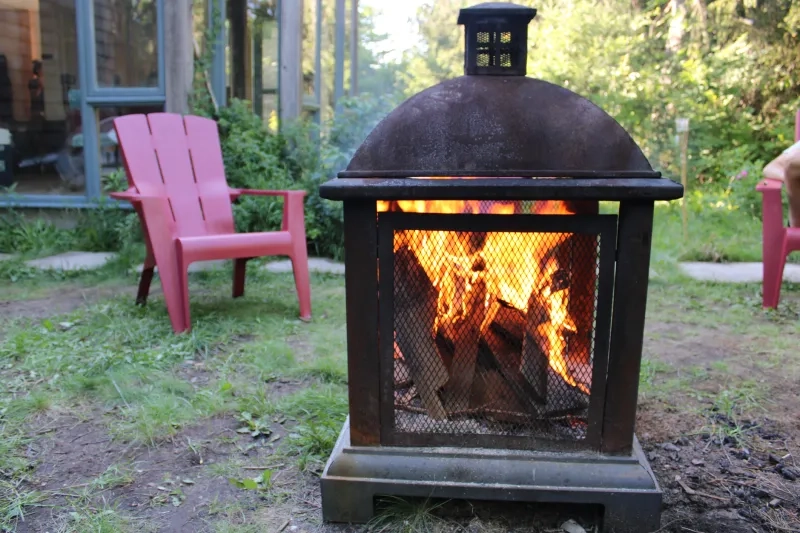
Open-air fires, such as fire pits, campfires, and outdoor fireplaces, always require a permit as they carry a higher wildfire risk. Your eligibility for a permit depends on your location, population density, and lot size. The City of Ottawa offers an online tool to check if your property qualifies.
If you can get a permit, it's crucial to select the correct one and know the regulations. The most common in Ottawa is the Annual Permit, which allows for small campfires, outdoor fireplaces, or brush piles to burn natural wood and tree branches.
Open-air fires must be at least 30 metres from buildings, fences, and overhead wiring, 25 metres from other fires, and 15 metres from combustible materials. Always remain mindful of surrounding properties, especially during periods of high wildfire risk.
All permit types allow the burning of untreated wood, tree limbs and branches. Prohibited materials include grass clippings and leaves, garbage, pressure-treated wood, plastics, flammable liquids and materials that emit toxic fumes when burned.
Reduce wildfire risk at home
To reduce wildfire risk, homeowners should regularly check the interactive forest fire map for local hazards and confirm any fire bans with their local fire authority. It is also essential to follow Ontario’s outdoor burning regulations at all times. Additionally, always keep water and firefighting tools nearby and ensure all fires are fully extinguished after use.
Reducing human‑caused wildfires starts at home
While extreme weather events like wildfires can be unpredictable, proactive measures can significantly reduce the risk of human-caused wildfires, particularly during high-risk seasons.
By staying informed and following safety rules, Ontarians can help protect their families, communities and natural environment from wildfires.



