

5 Canadian wildlife encounters you'll want to try
3 Minute Read
Summary
- Canadian wildlife encounters include polar bears, puffins, whales, bears and moose across varied regions.
- Experiences span tundra, coastal reserves, rivers and forests during specific seasonal windows.
- Careful timing and guided access improve safety, viewing success and environmental protection.
Wildlife encounters have a way of staying with you long after a trip ends. The sudden splash of a breaching whale, the quiet intensity of a bear at the river’s edge, the unmistakable call of a loon drifting across the water. These are moments that ground you in place and time.
Canada offers some of the world’s most accessible and unforgettable opportunities to see wildlife in its natural habitat, from windswept coastlines and dense forests to tundra and wetlands. Whether you are hoping to spot iconic animals or experience the thrill of seeing wildlife up close for the first time, these encounters are about more than ticking a box or snapping a photo. They create a deeper connection to the landscapes that define this country.
Here are five Canadian wildlife experiences that belong on every nature lover’s travel list.
Polar bears
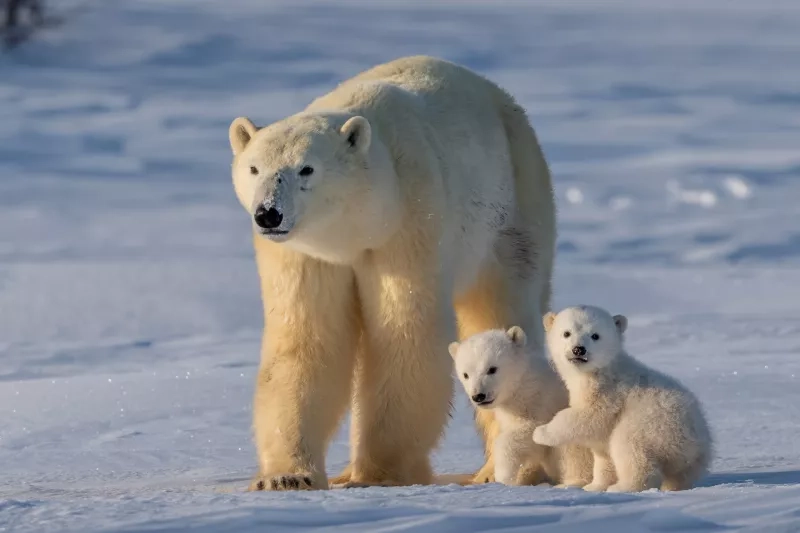
Canada is home to more polar bears than any other country. About two-thirds of the world's population prowls Nunavut, Northwest Territories, Yukon, Quebec, Manitoba, and Newfoundland and Labrador. But the epicentre of polar bear tourism is Churchill, Manitoba, which has declared itself the polar bear capital of the world. Sitting in a giant, all-terrain Tundra Buggy, visitors can watch safely as the ferocious marine mammals move from the sub-Arctic tundra to the shores of Hudson Bay for their winter seal hunt.
There are lots of sunrise-to-sunset day trip options. For an overnight adventure, the Churchill Northern Studies Centre offers learning vacations, and Churchill Wild whisks guests to a fly-in lodge for walking polar bear safaris.
Expert planning tip from Rachel Lalonde from CAA Orleans: “If you want to do an expedition to see the polar bears in Churchill, you should plan that trip at least a year in advance – it’s a short season, and there’s limited space. It’s also best to book this kind of trip as a package since the excursions are part of a group anyway.”
Puffins
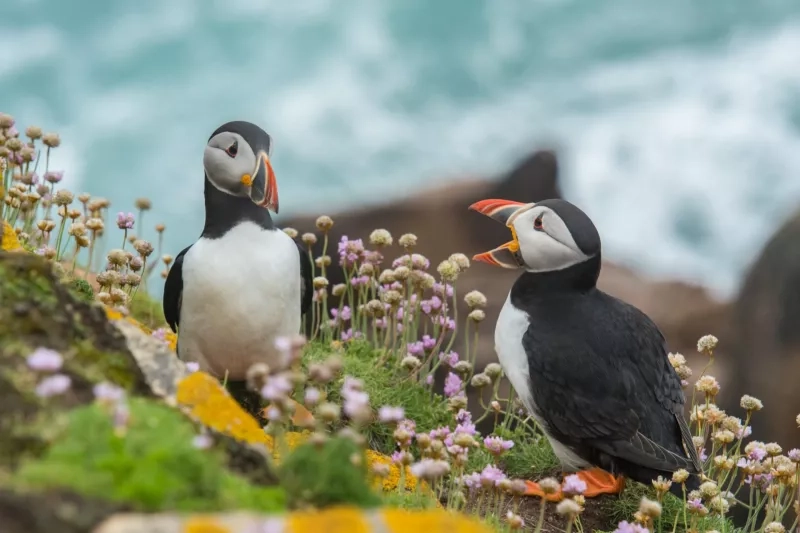
Puffins return to land for just a short stretch each summer, making the timing of this trip essential. Between June and August, Newfoundland and Labrador becomes one of the best places in the country to see these unmistakable seabirds up close. Boat tours to the Witless Bay Ecological Reserve are particularly popular, offering views of puffins as they nest along rugged cliffs or skim low across the water.
For travellers who prefer to stay on land, there are also colonies off Fogo Island and at Elliston Point, where puffins can often be viewed from designated areas. Watching them gather, take flight and return to their burrows adds a playful contrast to the province’s dramatic coastal scenery.
Wild horses
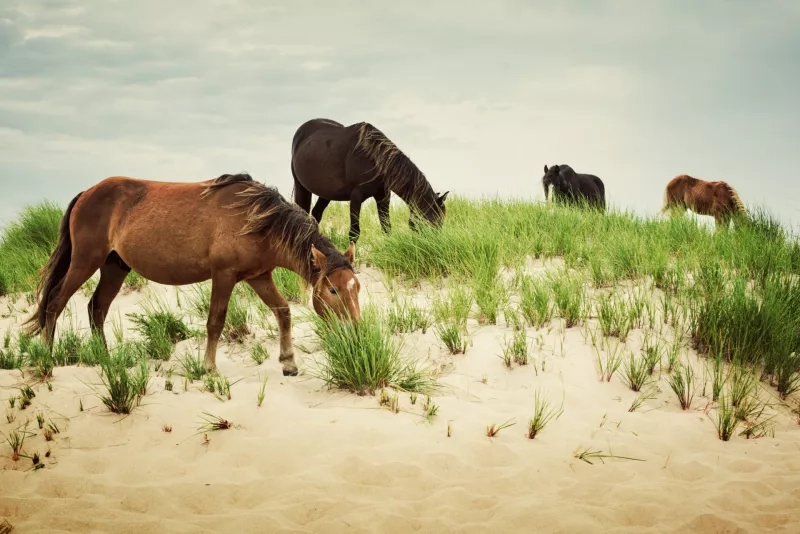
The wild horses of Sable Island National Park Reserve are among Canada’s most elusive wildlife encounters. Located far off the coast of Nova Scotia, the remote island is only accessible from June to October and requires advance registration with Parks Canada.
Visitors can reach Sable Island by charter flights operated by Sable Aviation or by joining an expedition cruise with Adventure Canada. Once there, the experience is quiet and striking. The horses roam freely across sand dunes and grassy plains, often coming into view against the backdrop of shifting skies and an open Atlantic horizon. With no permanent human settlement, Sable Island feels untouched, making encounters with the horses especially memorable.
Reindeer
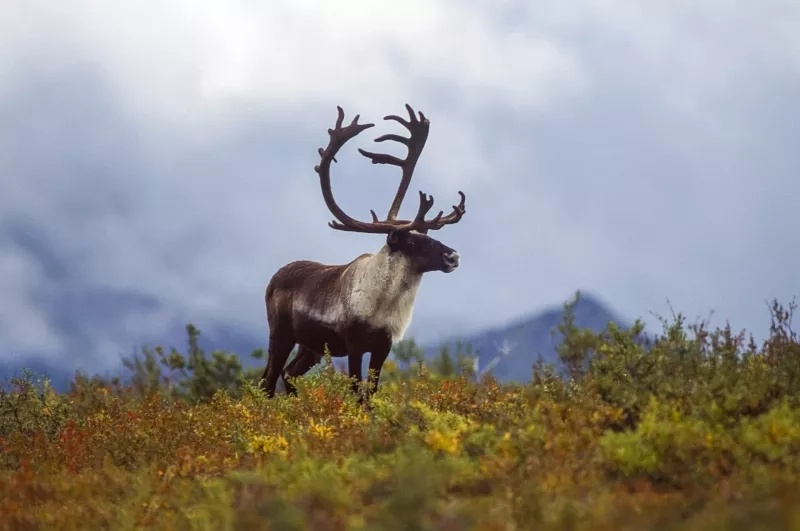
In Canada’s western Arctic, encounters with reindeer offer both scale and cultural insight. Tundra North Tours, an Indigenous‑owned company based in Inuvik, N.W.T., leads snowmobile trips that allow visitors to see herds numbering in the thousands moving across open terrain.
Travelling alongside experienced local guides adds context to the experience, highlighting the role reindeer have played in northern life and livelihoods. Beyond reindeer viewing, Tundra North Tours also offers year‑round adventures that showcase the region's landscapes and traditions.
Harp seals
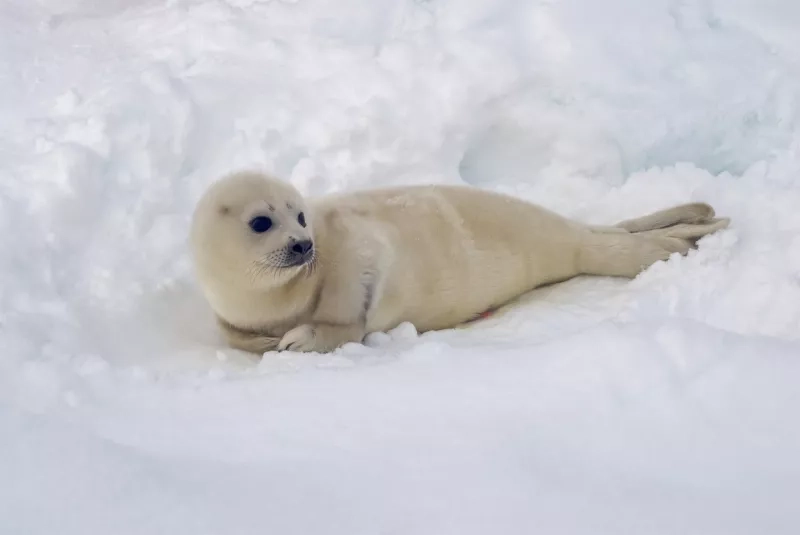
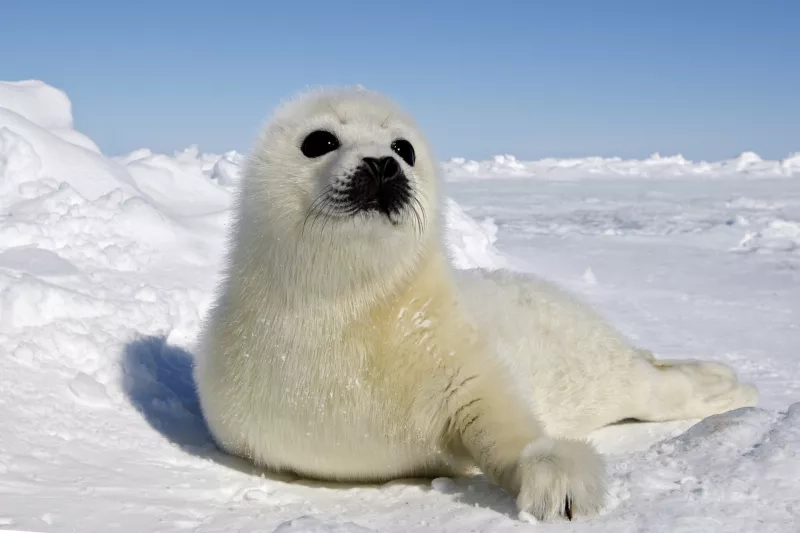
For a brief window each year, the ice around Quebec’s Magdalen Islands becomes a nursery for harp seals and their newborn pups. From late February to early March, Château Madelinot organizes helicopter photo safaris that give visitors a rare aerial view of this natural spectacle.
It is the only place in the world where harp seals can be seen in their natural habitat this way, with hundreds of seals spread across the ice floes below. The experience is fleeting but visually striking, offering a perspective on a remote wildlife event that few travellers ever witness.
Start planning your wildlife encounter
Our travel agents can help you every step of the way on your vacation. Book an appointment online with our trusted CAA Travel Agent.



