

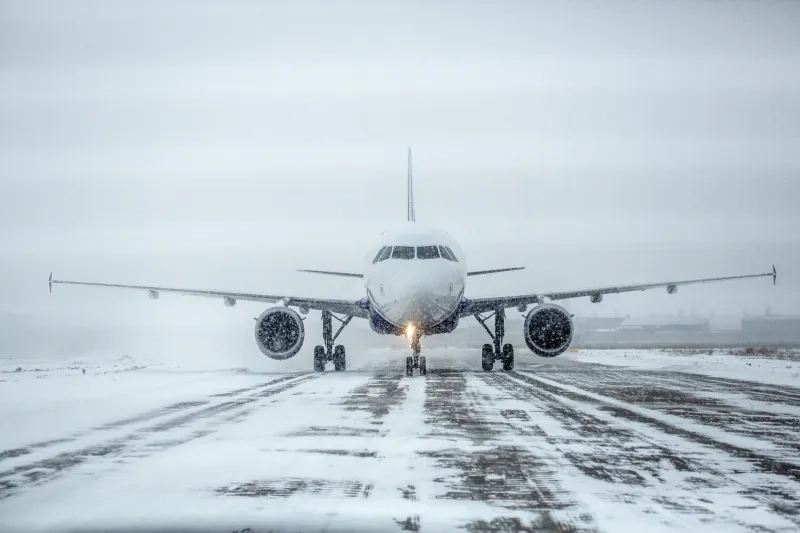
Going on a winter trip? Do these 4 things before you leave
3 Minute Read
Summary
- Flexible bookings and longer layovers help manage delays and unpredictable winter travel disruptions.
- Review cancellation terms and inclusions carefully to avoid costly surprises during winter trips.
- Secure travel insurance early, including trip interruption and emergency medical coverage for added protection.
A winter storm rolls in, your flight's delayed, and suddenly your travel plans are falling apart.
For some, winter is the perfect time to trade snowbanks for Caribbean beaches. For others, it's the season for European city breaks and cold-weather adventures. No matter the destination, winter travel tends to run more smoothly when you plan a few extra details ahead of time.
Whether you're chasing sunshine or snowy slopes, what you do before you leave matters just as much as where you're going. Here are four things to take care of before your departure.
How flexible should my booking be?
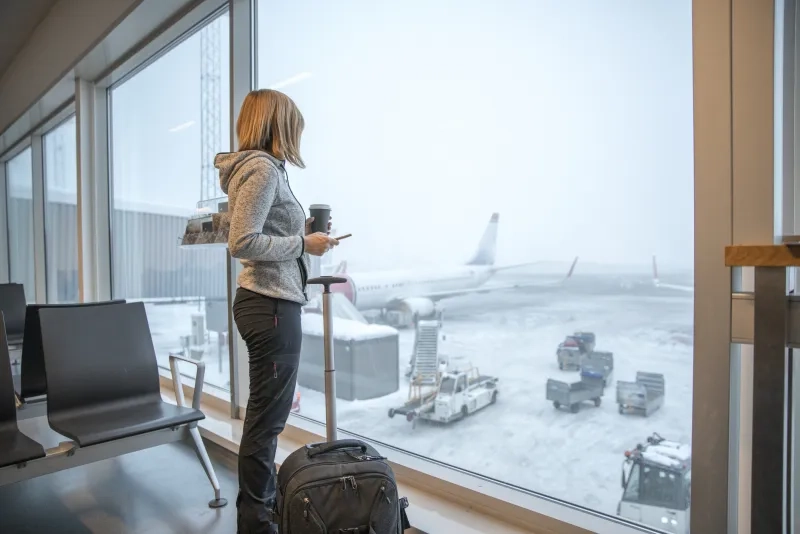
Weather-related flight delays are a nightmare when you've got a family event to make or a tour to meet up with. Even if you're headed somewhere tropical, nasty winter weather can slow you down at the airport if you haven't anticipated it.
The best winter travel plans have flexibility built in, whether you're flying or driving. Opt for flights that have long layovers, good cancellation policies or the ability to rebook if weather gets in the way. If you're driving, allow double the time you think you'll need.
"Winter travel rewards preparation," says Lia Kupchanko, Director of Retail and Call Centre Sales at CAA North & East Ontario. "The goal isn't to create the perfect itinerary; it's to build one that can bend without breaking when winter inevitably has other plans."
"The most experienced travellers understand that flexibility is part of the journey. A backup plan and the right mindset can make all the difference."
Do I really need to pay for those extra features?
Winter travel can be unpredictable, so it's often worth investing in a more expensive travel package if it will save you a headache later.
Book a direct flight, if possible. Although direct flights typically cost more, you'll eliminate connections—which are often opportunities for things to go wrong.
It's also important to look at the baggage allowance. If you're headed somewhere cold, will you have space for all your winter gear? How about your ski equipment if you're hitting the slopes?
"Focus on the value of the package rather than prices by paying more attention to inclusions and amenities," says Scarlett Lu, a Travel Agent for CAA North & East Ontario. "Treat yourself to a higher-value vacation. It happens only once a year!"
If you're driving, it may seem like that shortcut down a country road will help you save on time and gas, but it's a good idea to stick to main roads whenever possible. Not only will they be plowed and salted more regularly, but if your car breaks down in the snow, it will be easier for your roadside assistance to track you down.
What should I pack for a winter trip?
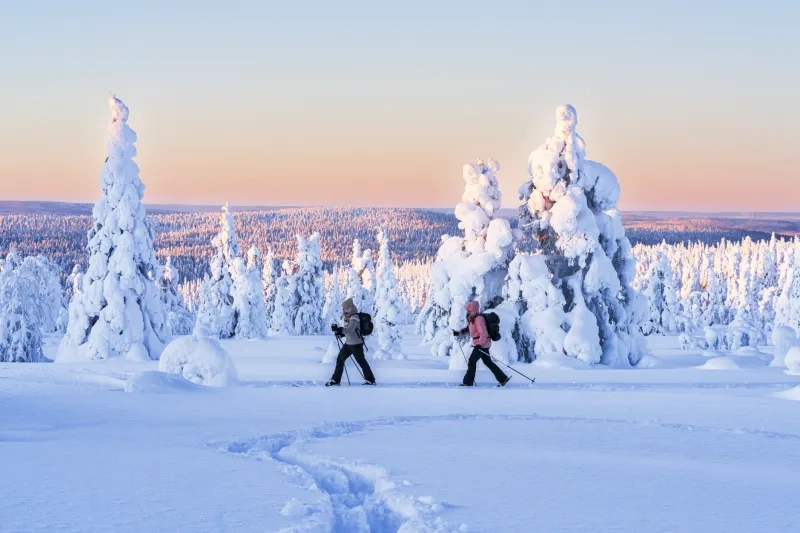
Before you depart, make sure you've packed smart. Your warm clothes will, of course, take up more space in your luggage. Packing cubes are your best friend, allowing you to compress those sweaters and fleece leggings.
Remember, also, that bulk doesn't necessarily mean warmth. Opt for clothes that are temperature-resistant but light, like merino wool. If you do have to bring large clothes, like your winter coat or boots, wear them rather than putting them in your suitcase.
When loading up the car, don't forget your emergency kit. Remember to bring hand warmers in case your heat goes out, or you break down.
No matter how you travel, bring snacks and cash in case of power outages. Charge your devices whenever you have the chance, and pack a power bank—or two—to prevent battery issues from leaving you stranded. It's also a good idea to download boarding passes, maps and itineraries offline. You never know when a storm might knock out power lines or down cell towers.
Do I need travel insurance in the winter?
Winter adds a risk that summer travel rarely sees. Storms can ground flights, close highways, and cancel connections, disrupting even the best-laid plans.
Review your insurance well before you go. Key coverage types to look for include emergency medical insurance, trip cancellation and interruption coverage and lost or delayed baggage protection. Coverage can help you handle unexpected delays or the need to return home early, with support for costs that might otherwise be non-refundable.
If you're travelling outside Ontario, keep in mind that OHIP may not cover all the medical costs you could face while away. Travel medical insurance helps cover emergency medical expenses that might arise if you get sick or injured while travelling.
Ready to plan your cold-weather getaway?
Book an appointment with a CAA Travel Agent to find the right travel insurance coverage and book your winter trip.


