


Practical ways older travellers can reduce travel stress
4 Minute Read
Summary
- Older travellers can reduce stress by keeping medications in their carry-on bags and in their original containers.
- Requesting airport assistance and using accessible accommodations can ease mobility challenges during trips.
- Travel insurance, document backups and mobile connectivity steps help prevent delays and support confidence abroad.
Retirement is a great time to travel. The constraints of a full-time job are gone, and every day can feel like a weekend.
But later-in-life trips can also bring added considerations, from mobility challenges and sleep issues to managing medications, all of which can increase stress if not planned for in advance.
How to manage medications while travelling
Asked for his best advice for older adults heading away, CAA Travel Agent Rami Al Kinani says one of the most important steps is to keep medications in a carry-on bag.
“It’s also a good idea to keep medications in their original containers so that if anything happens, you can take them with you to the hospital to inform the doctor of what you’re taking,” he says.
Another option is to keep a list of medications in a wallet, purse, day bag or on a phone, a good practice even when staying close to home.
“You never know when your checked luggage may get lost, so keeping your valuables and medications in your carry-on or personal item is essential,” Al Kinani says.
When to request airport assistance and mobility support
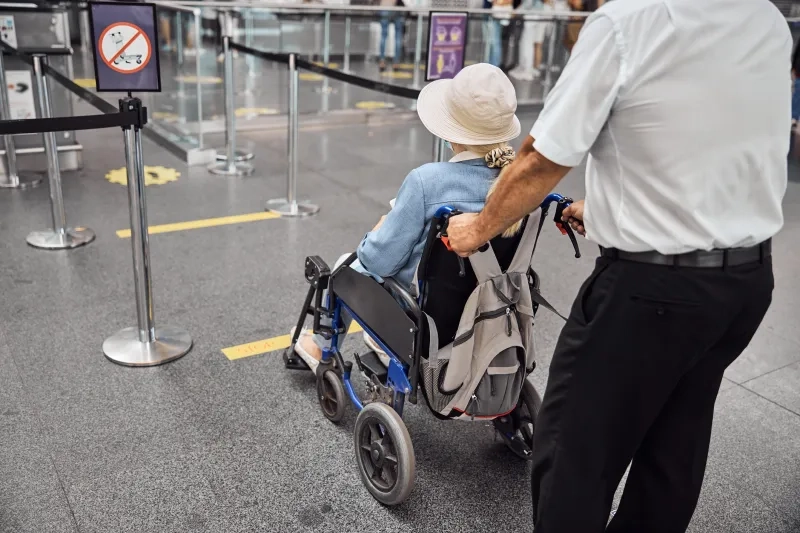
Airport assistance is another option many people overlook. Those with reduced mobility, breathing difficulties or injuries that increase the risk of falling should consider requesting help.
“It offers the most convenience for older people who are flying alone or with companions of a similar age,” Al Kinani says.
He notes that long airport distances, heavy carry-on luggage or simply not feeling well can make the experience more taxing than expected. Taking advantage of available assistance can reduce physical strain and ease anxiety before a trip even begins.
Anyone who anticipates needing help should also allow extra time before and between flights, as assistance resources can be stretched during busy travel periods.
Al Kinani previously worked as an airline agent and often assisted passengers who requested wheelchair support.
“I would personally escort them through security and around the airport, stopping at the washroom if needed or helping fill a water bottle,” he says. “I made sure they reached their gate on time.”
When it comes to accommodations, people with mobility considerations may find all-inclusive resorts easier to navigate, particularly those with elevators and golf carts that help guests move between amenities.
Using airport lounges to reduce stress during delays

At the airport, Al Kinani recommends taking advantage of lounges when possible.
Some premium credit cards include airport lounge access, which can offer a quieter place to sit, food and drinks, and more comfortable seating during long waits.
For Members, the CAA Delay Pass is another option when flights do not go as planned. If your flight is delayed by 60 minutes or more, you and one guest can enjoy complimentary access to participating airport lounges or an alternative comfort solution, such as restaurant vouchers, at select airports.
Paid lounge access is also available at some airports, typically costing $30 to $50, and can provide a more relaxed environment away from crowded gates.
Staying connected while travelling with eSIMs and SIM cards

Staying connected while away is another key stress reducer. One option is to use an eSIM, a digital SIM card that requires no physical hardware and allows users to purchase data, calling and texting for a destination or region in advance. Physical SIM cards purchased on arrival are another option.
While Wi‑Fi can be useful, it is often unreliable when navigating unfamiliar places. Rideshare services such as Uber require mobile data, and visitors to Europe may also want to download Bolt, which is often the more affordable option. When using an eSIM or a local SIM card, users should note that they will temporarily use a local phone number rather than their own.
Why travel insurance and document backups matter
Travel insurance is a smart choice for seniors, particularly when travelling outside Canada.
Once coverage is in place, Al Kinani advises photographing or photocopying policy documents, saving a copy on a phone and sharing them with family members at home. The same applies to passports, visas and other important travel documents, which should also be emailed to oneself as a backup.
How a travel agent can simplify trip planning
Al Kinani recommends working with a travel agent to reduce stress before and during a trip.“A travel agent can handle the logistics and provide a detailed packing list, while also considering accessibility needs at every step,” he says. “We have many tools available to help enhance the experience.”
Booking an appointment with a CAA Travel Agent can take the stress out of planning a trip. When accessibility or mobility needs are shared in advance, they can help ensure transportation and accommodations are suitable, allowing people to focus on enjoying the journey. To learn more and start planning your dream vacation, visit the CAA Travel hub for trip planning, booking, and expert support.



