

Cool side quests and unique things to do in Central Europe
8 Minute Read
Summary
- Prague delivers hidden gems like medieval underground tours, local football matches and Letna Park’s skyline views.
- Kutná Hora’s silver mines and bone chapel inspired Kingdom Come: Deliverance II, offering an immersive historic adventure.
- Vienna and Budapest balance imperial cafés, Cold War bunkers and soothing thermal baths for unforgettable contrasts.
There comes a moment on holidays when even the most magnificent museum starts to feel like homework.
You’ve admired the altarpieces, read the plaques and climbed the castle tower. At that point, maybe some awe-inspiring side quests that drop you into the life of a place instead of keeping you behind the velvet rope are the secret sauce to a memorable trip.
That was the sweet spot my 28-year-old son, Jed Chown, and I were chasing on a recent trip through Central Europe – specifically Prague, Český Krumlov, Kutná Hora, Vienna and Budapest.
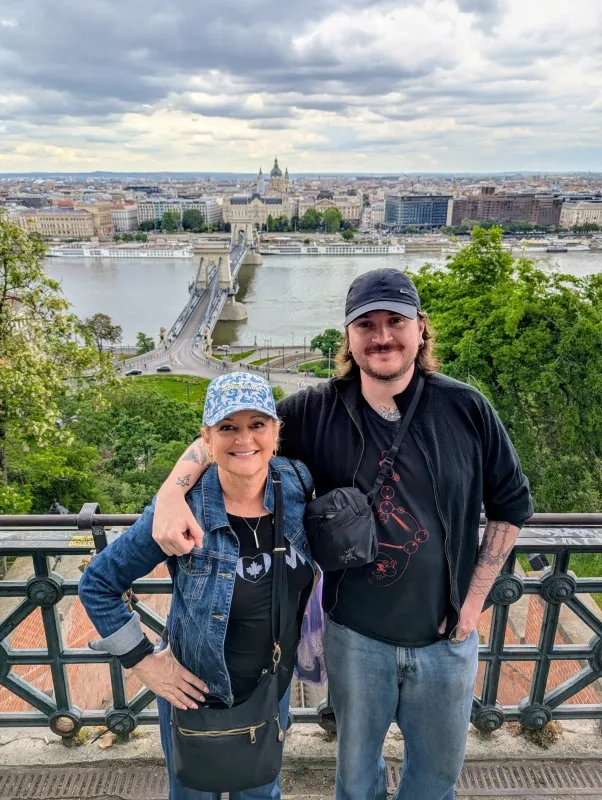
So we went into a nuclear bunker, down a medieval mine, and took afternoon tea in an historic café – because sometimes cultural enrichment is best served with cake.
So if you’re the kind of traveller who likes a holiday to feel a little less curated and a little more alive, these are the side quests worth making.
Prague: skip the obvious, keep the magic
Prague is so beautiful that it almost dares you to become lazy. But if you’re on a mission to really get the pulse of a place, grab your most comfortable walking shoes and prepare to experience the city fully, even Paris admires, or so the saying goes.
Start with a climb to the top of Letna Park, where an outdoor beer garden is the perfect spot to view the Vltava River and Old Town. Beer and sausages are cash-only, but worth every koruna.
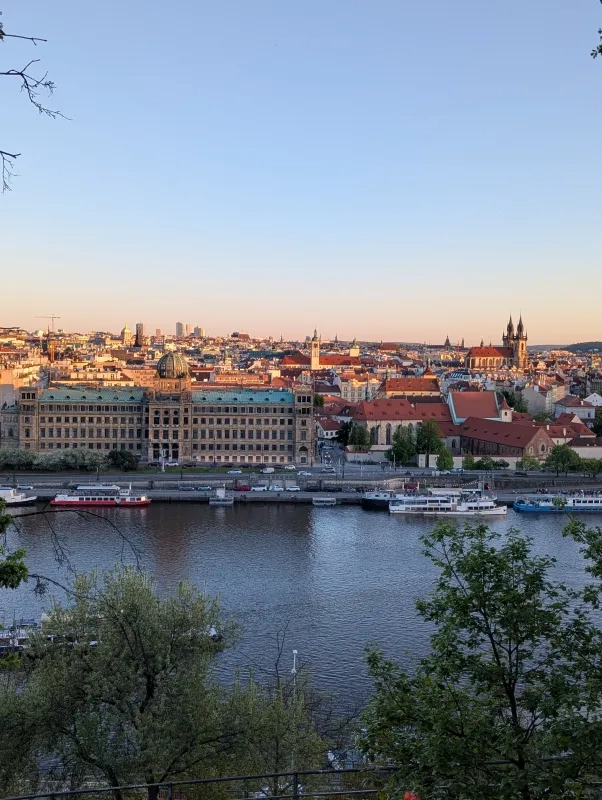
From that height, you’ll spot the famous Charles Bridge and its many incredible statues. You might miss one in particular – the Pieta – but not the crowd trying to recreate the famous Depeche Mode poster from their 1989 release, Music for the Masses.
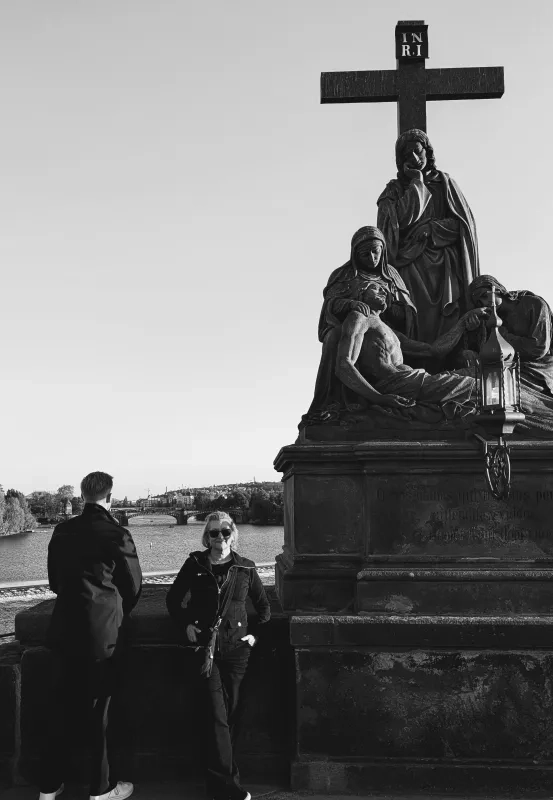
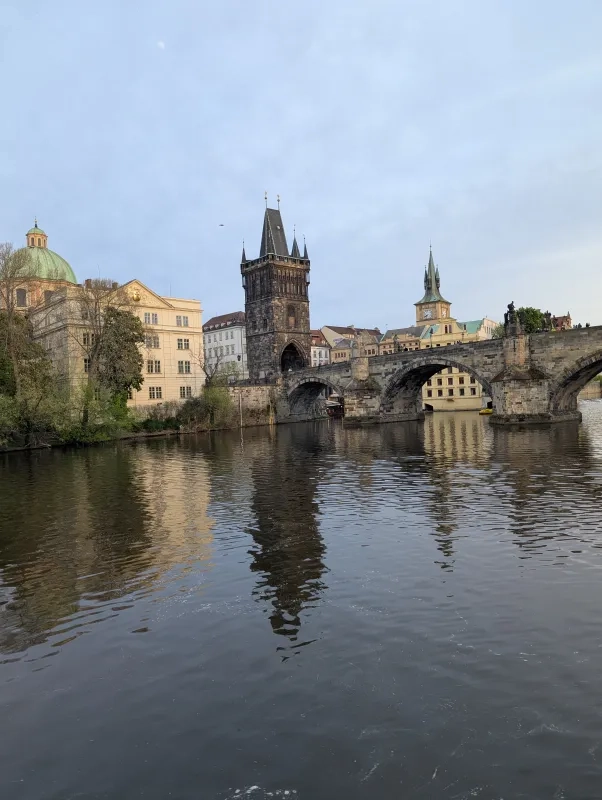
It’ll take a minute to walk the bridge and not just for the crowds: Prague is a city built to take your breath away. Every few metres on the Charles, there’s a new piece of history to enjoy.
We headed to the top of the castle hill to explore Prague Castle, more of an administrative hub than a palatial apartment. This is where kings ruled, devious plots were hatched, and political opponents were tossed out a window in the famous Defenestrations of Prague.
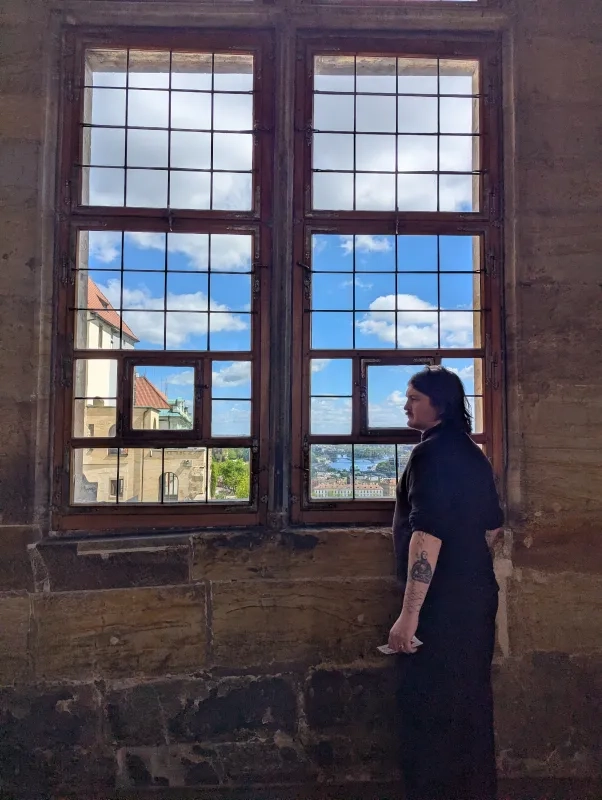
Of course, we explored history at street level – the incredible national gallery at the Trade Fair Palace and the Mucha Art Foundation Museum, but the city gets even better when you sidestep the greatest hits.
Looking to dive into local culture? The Czech Republic Football League games are fun, fast and have all the intense fan fervour of bigger European clubs, so my son and some friends grabbed $25 standing tickets to catch a hard-fought Bohemians Praha 1905 match.
If even that feels too formulaic, go underground. Founded in 880AD by the Premyslids dynasty (learn more at the excellent National Museum), Prague flooded regularly, forcing early inhabitants to add cobblestones to the streets to elevate the city. The result is that the true medieval foundations of the city are literally below your feet. Medieval underground tours reveal homes, businesses and an ancient life that make the place feel layered rather than merely pretty. That, for me, is when Prague really clicks.
Český Krumlov: storybook looks, real-world intrigue
Two hours away from Prague, Český Krumlov is the kind of place that makes you narrow your eyes slightly on arrival. The red roofs, the looping river, the castle rising above it all — it looks designed to seduce unsuspecting travellers into a Grimm fairytale. But what saves it is that it also has weight. A tour through the 13th-century Český Krumlov Castle gives the place a proper backbone, shifting it from a pretty backdrop to a seat of power, family drama, and aristocratic life layered over centuries.
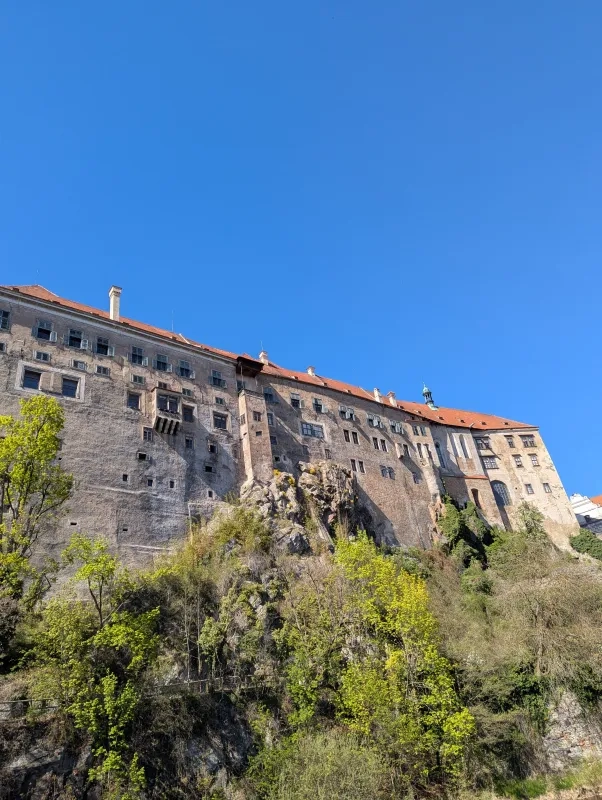
And drama there was: It’s been owned by only four families, the last of which was the still-wealthy Schwarzenbergs, who had it for 350 years until the Germans seized it during WWII. After years of legal wrangling by the family, it’s still state-owned, with centuries-old family possessions still in the rooms on the guided tour.
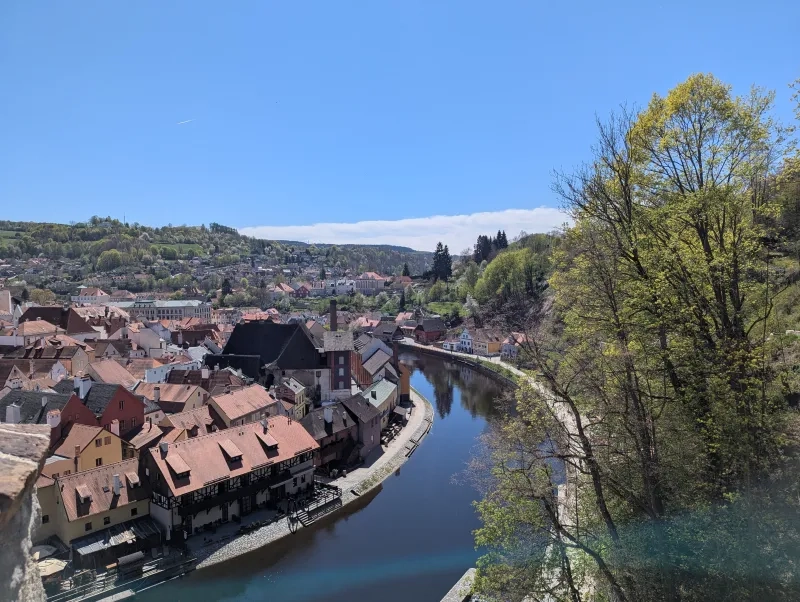
Below the castle, the town is best handled with no urgent agenda. Wander the lanes and accept that this is not a place to rush. Enjoy the cafés, town squares, and hidden shops down narrow alleyways. Everything – literally every spot – is worth a photo.
Kutná Hora: for travellers who like their history a little unhinged
Once upon a time – a long time ago – Kutná Hora was one of the richest towns in medieval Europe thanks to the discovery of silver in 1260. By the time the ore ran out in 1625, the town had built the ornate St Barbara Cathedral, the Italian Court and monasteries. All of which made it perfect for the Czech video game creators of Kingdom Come: Deliverance II, who famously mapped the entire town for the game.
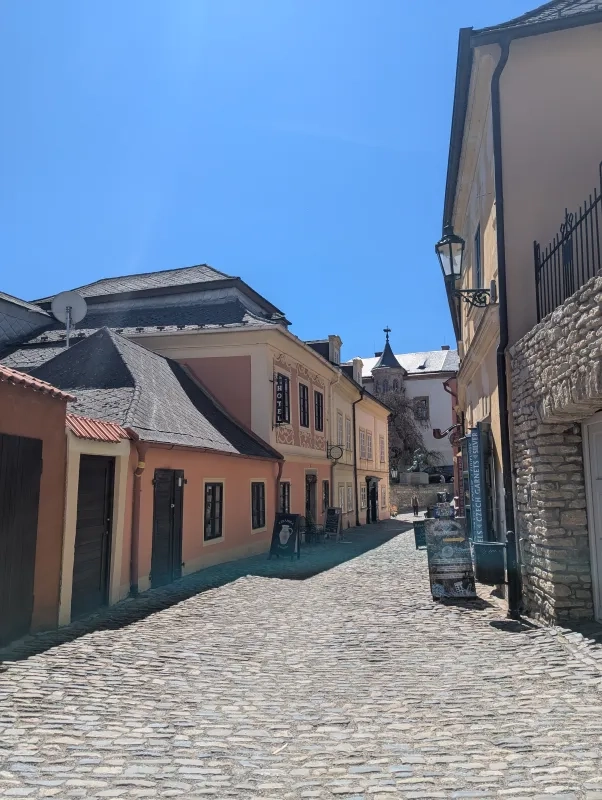
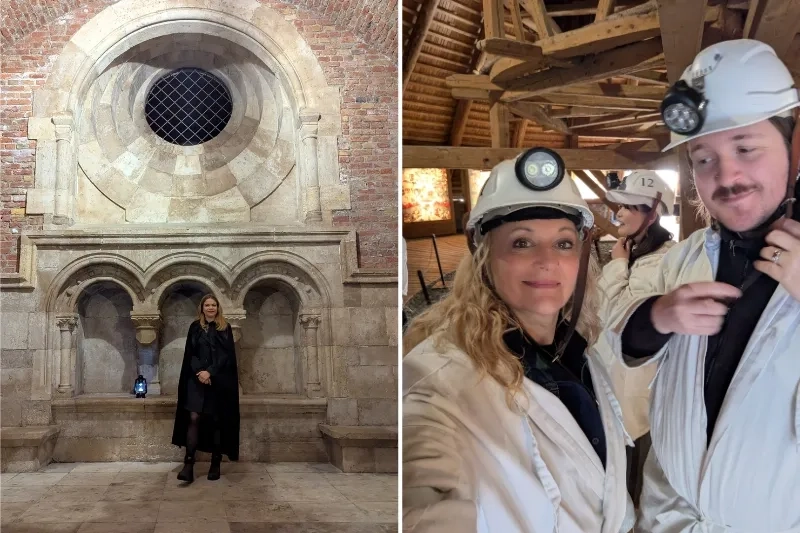
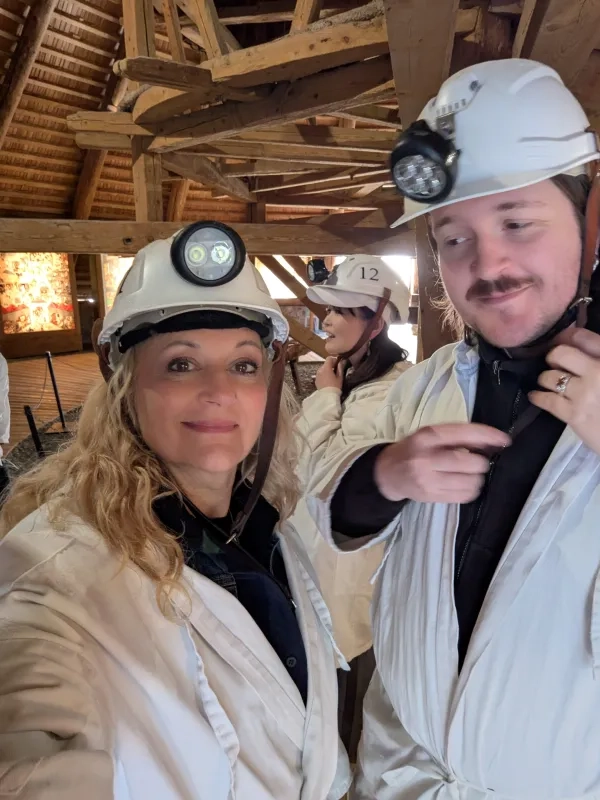
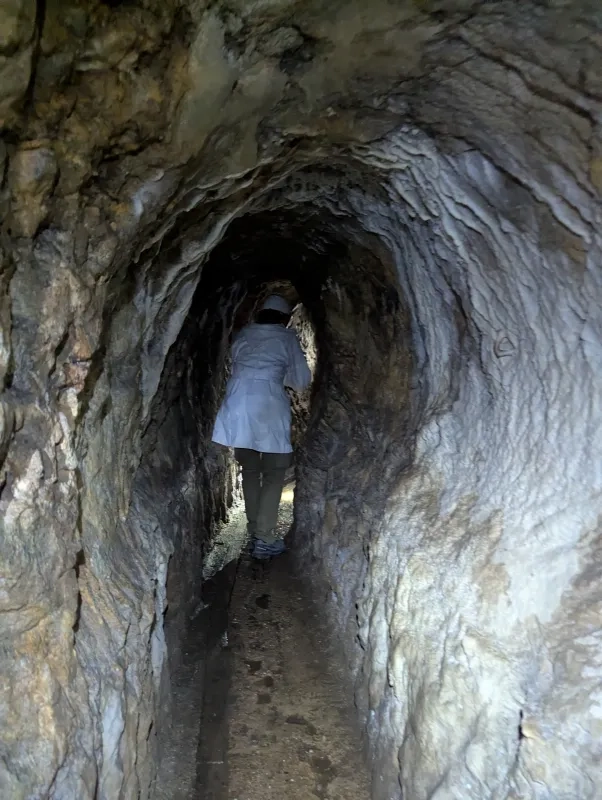
Once gamers get over the deja vu sense of having been there before, head underground at the Czech Museum of Silver for its medieval mine tour. This is not history kept politely behind glass. You’re given a miner’s smock, a helmet and a lamp, then sent deep underground into narrow passages. It’s damp, cramped and wonderfully effective at reminding you that all that wealth above ground came from very hard labour below it.
Then, there is Sedlec Ossuary, the unsettling bone chapel where human remains have been arranged into chandeliers, pyramids and decorative flourishes. Photography is banned out of respect, so make sure you linger and absorb the vibes. Altogether, you have a day that is strange, beautiful and faintly macabre.
Vienna: have the cake, take the history
Vienna can be a lot. It is grand, cultured and fully capable of making you feel underdressed and undereducated before lunch.
We started our cultural immersion by strolling down Mariahilferstrasse, a broad boulevard lined with shops and cafés that really sets the Viennese tone.
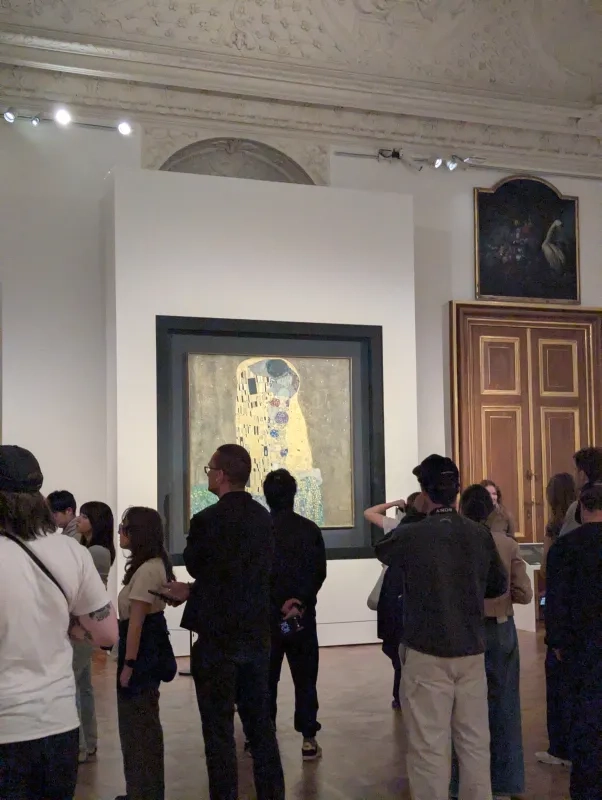
At the bottom of the boulevard is the Leopold Museum – one of the finest in the world for the works of Gustav Klimt, Egon Schiele and Art Nouveau. Between the Leopold, the Upper Belvedere and the Museum of Applied Arts, Vienna shows why my son observed that “anything interesting that happened between 1860 and 1915 happened in Vienna.”
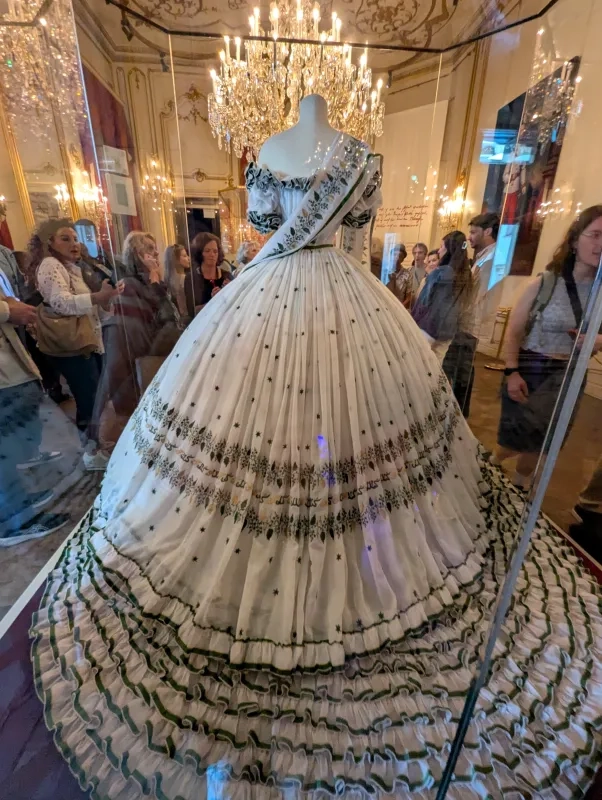
If you want one museum that earns its keep, make it the Sisi Museum. It adds shape to the life of Empress Elisabeth (Sisi), beyond the myth of the beautiful and tragic empress, into something more human: a restless, disciplined, lonely woman who was not always thrilled by her own legend.
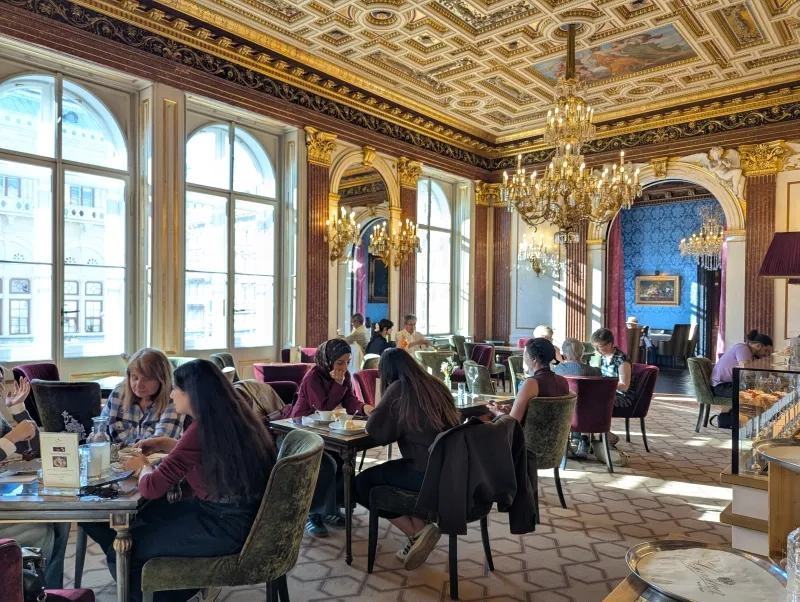
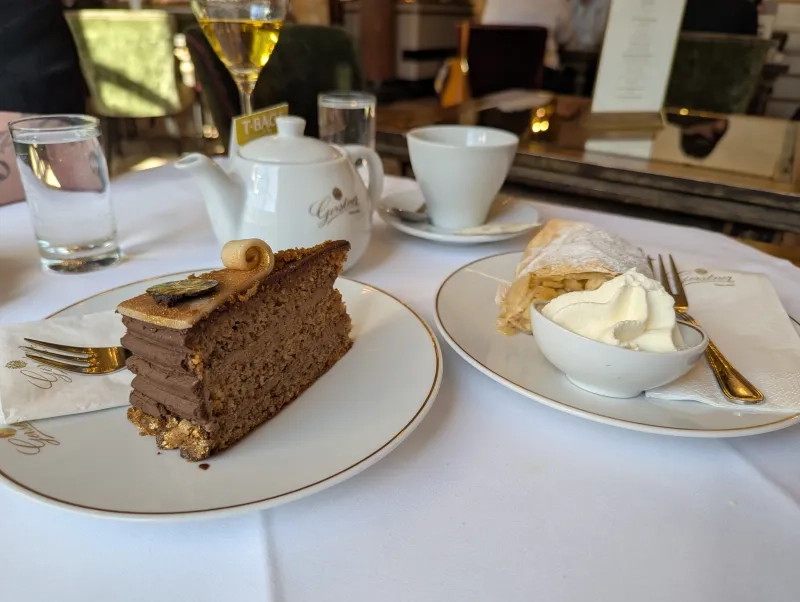
One of the best breaks we took from all that imperial magnificence was even more imperial magnificence through an afternoon tea at Gerstner K. u. K. Hofzuckerbäcker, established in 1847 and much-loved by Empress Sisi. It’s a classic Viennese café experience: soaring gilded ceilings, excellent pastries and just enough old-world glamour to make you straighten your collar. It is indulgent, yes, but also oddly restorative.
Budapest: go underground, then back out into the light
Budapest is grand, but one of its most powerful experiences is hidden under Castle Hill, which is riddled with caves with grim histories. In the Labyrinth of Buda Castle, Vlad Tepes – known as Vlad the Impaler and the source material for Count Dracula – was held and tortured for 10 years starting in 1462.
His legend and the castle’s brooding presence were the perfect backdrop for a vampires and monsters gothic night tour we took through dramatic streets dripping with Hungarian history.
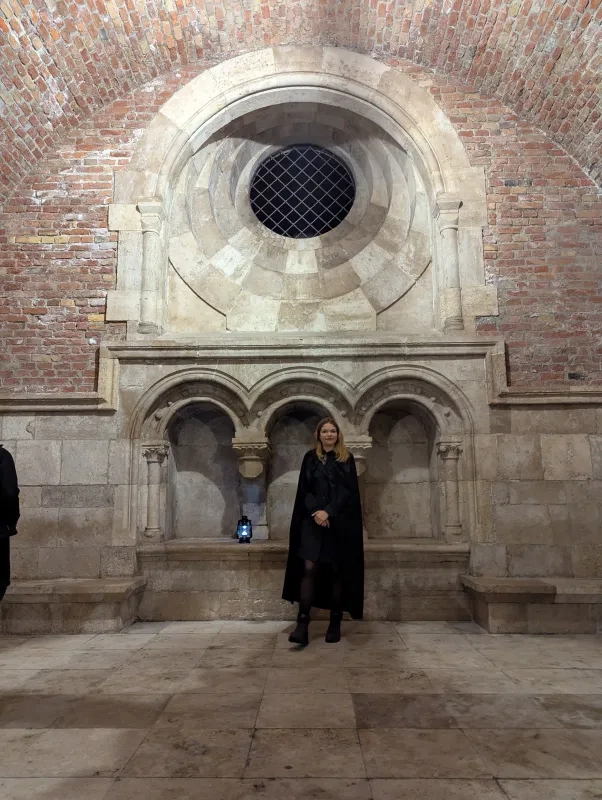
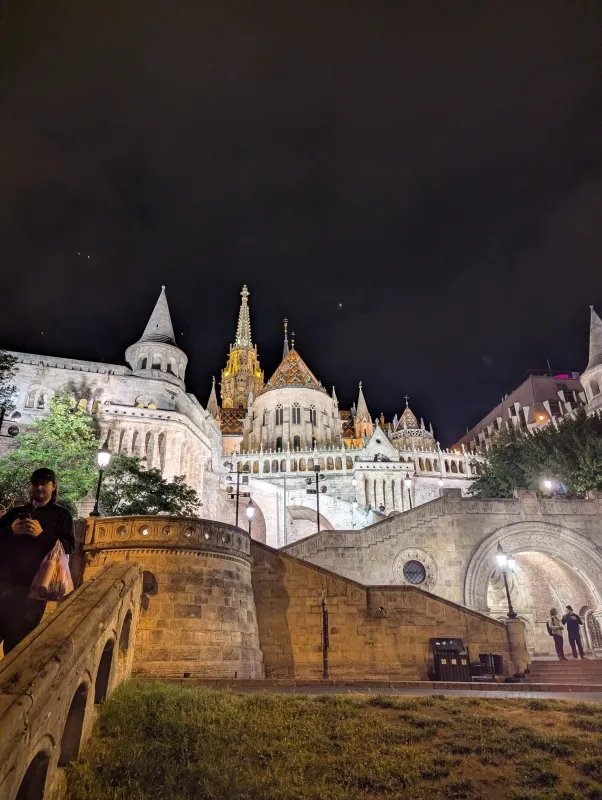
Also on Castle Hill is the Hospital in the Rock Nuclear Bunker Museum, which was built into the natural cave system. It was an emergency hospital used during the Second World War and the 1956 Hungarian Revolution before being expanded into a Cold War nuclear bunker. It is sobering, fascinating and brilliantly done — the kind of place that leaves you quiet afterwards, which is usually a sign that it has worked.
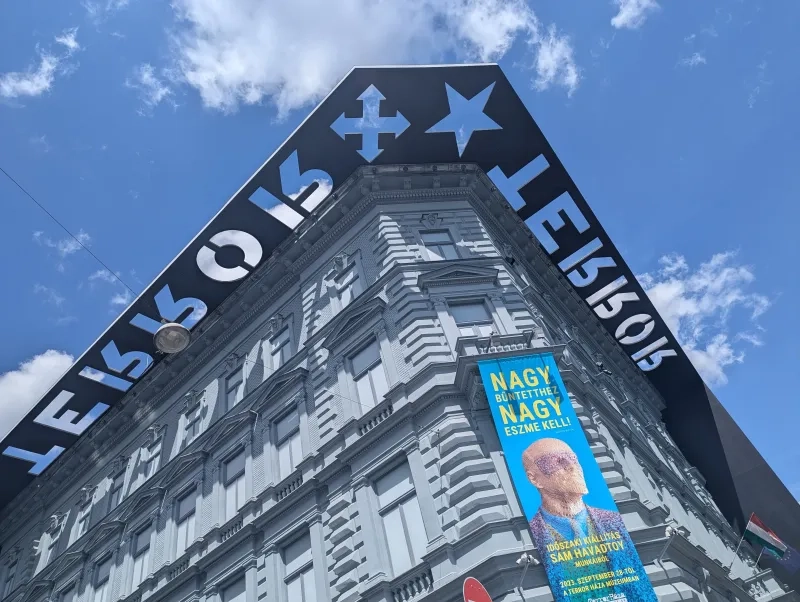
The same can be said of the House of Terror Museum, the former secret police headquarters that offers a challenging look at Hungary’s totalitarian dictatorships. By the time you get to the basement cells lined with photos of the people tortured and killed in them, you’ve witnessed humanity at its worst.
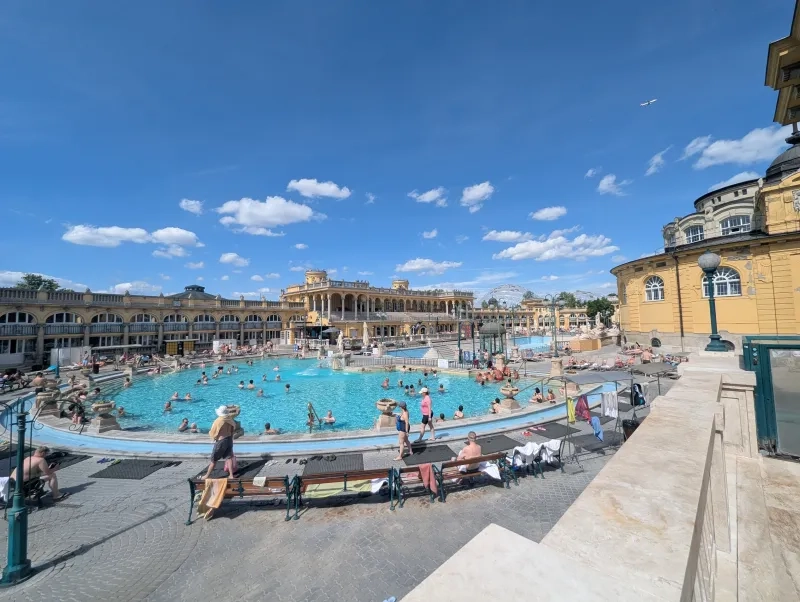
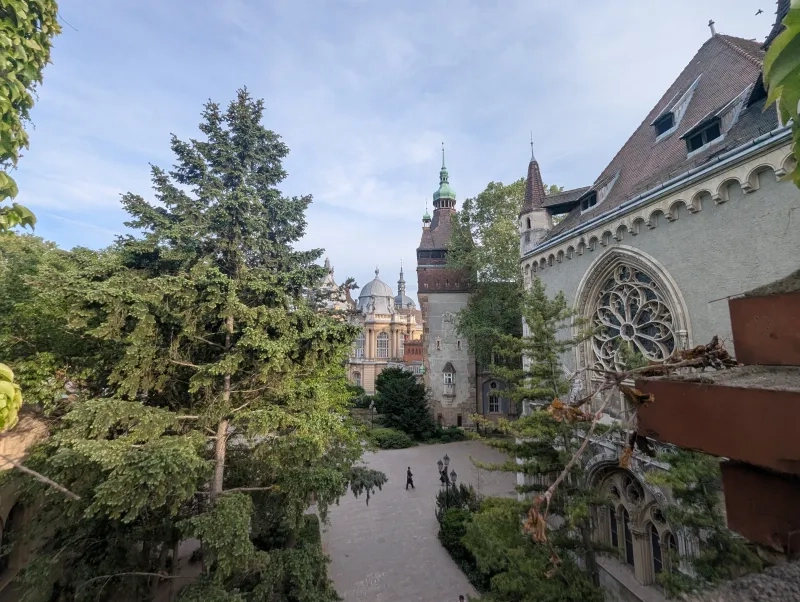
But Budapest understands contrast better than almost any city, so that you can follow that with something entirely different: a soak in naturally occurring thermal baths at the grand, century-old Szechenyi Baths. From there, cross the street to the Vajdahunyad Castle, a collection of architectural buildings erected in 1896. (Hint: Search the outer walls for the tiny statue of Bela Lugosi, star of the iconic 1931 film, Dracula.)
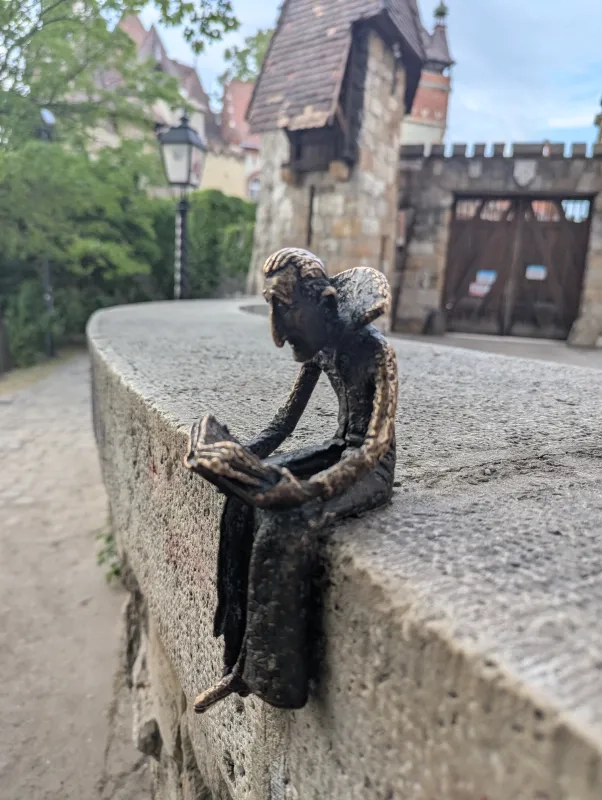
That is part of the genius of this city. It can give you beauty and brutality, elegance and unease, all in the space of an afternoon. If you only do one unusual thing here, make it the hospital tour. It is the rare attraction that genuinely earns the title 'unforgettable'.
Side quests and remarkable cities
That, really, was the pattern across this trip: whenever we stepped slightly sideways from the standard itinerary, the cities opened up. A chapel concert. A football match. A palace that felt inhabited rather than admired. A silver mine, a bunker hospital, a ridiculously elegant tea.
We also made it easy on ourselves by booking with CAA Travel – from our flights and hotels to rail between cities and the bigger excursions that we worked around to fit in smaller adventures. Knowing we had a framework made side quests the best part of the master plan.
To learn more and start planning your dream vacation, visit the CAA Travel hub for trip planning, booking, and expert support, or book an appointment with a CAA Travel Agent.



