

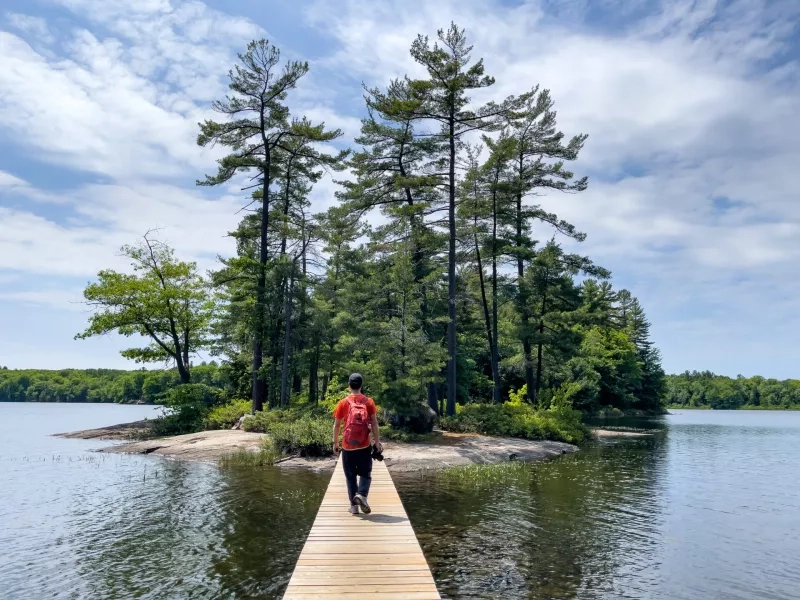
From trailheads to terrain: 7 safety tips for hiking and cycling
6 Minute Read
Summary
- Planning your route and understanding trailheads and terrain is essential for safe outdoor travel.
- Checking weather, packing proper gear, and carrying extra food and water improve safety.
- Using maps, helmets, and well‑fitting footwear reduces risk during hiking and cycling trips.
Picture this: the crunch of gravel underfoot, the whisper of wind through the trees, or the thrill of coasting down a sun-dappled path. Hiking and cycling aren’t just pastimes—they’re transformative escapes that rejuvenate both body and mind. In fact, a Stanford study found that just a 90-minute walk in nature can significantly boost mental well-being.
Whether you’re drawn to the challenge of mountain trails or the serenity of scenic bike routes, the outdoors offers endless possibilities. But before you embark on your next adventure, preparation is key. To ensure your journey is as safe as it is memorable, here are seven essential tips for hiking and cycling that stand the test of time.
Plan your trip carefully
Your safety while hiking or cycling begins with planning. Spend some time researching the area you will be visiting. Get to know the terrain and the names of the access points and trailheads. Choose a route that is within your abilities, and do not push yourself. Tell someone else your plan, including where you are going, the route or trails you will use, and how long you will be gone.
For popular trails, you can find much of this information online. Visitor centres and trailhead maps will also include information on trail distances, elevations, and difficulty. You can also use cycling apps that track your progress and provide information on the route, weather, and terrain.
Once you have planned out your hike or cycling trip, it is time to start planning your gear. First, check the weather conditions to ensure you have what you need. Regarding food and water, it is always better to bring a little more than you think you need, but be mindful that you will have to carry it. Have some extra water and snacks in your car for the end of your trip so you can refuel on the way home.
Pack the right gear
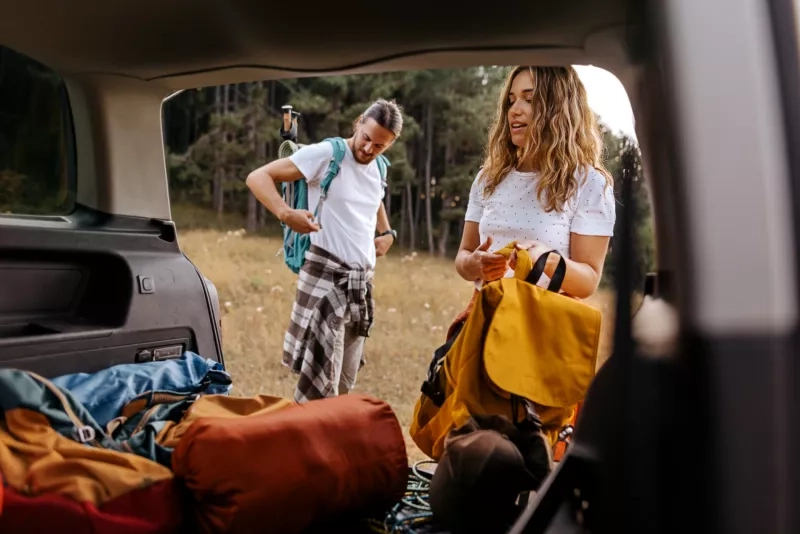
Another safety tip is to check that you have the right gear. Having the right equipment can make all the difference when you spend time outdoors. Sturdy and comfortable footwear and a good-quality backpack are staples for hiking. For cycling, wear a properly fitting helmet and comfortable clothing that won’t get caught in your bike. Also, ensure you have a map of the area and a compass. While the maps on our phones are great, it is good to have a backup in case our phones die or we have no service.
If you’re cycling, bring along a bike repair kit in case of a flat tire or other mechanical issue. Make sure you know how to use it before you head out.
Check the weather and make sure you have suitable clothing. Even in summer, lightweight, light-coloured long sleeves and pants are great for hiking. They keep the sun off you and keep the bugs away. Do not forget sunscreen, bug spray, an emergency kit, a hat, and sunglasses. A small, packable jacket is a good addition to your gear in case of bad weather or cool temperatures. Having something you may not need is always better than being stuck without it.
Follow the rules of the road or trail
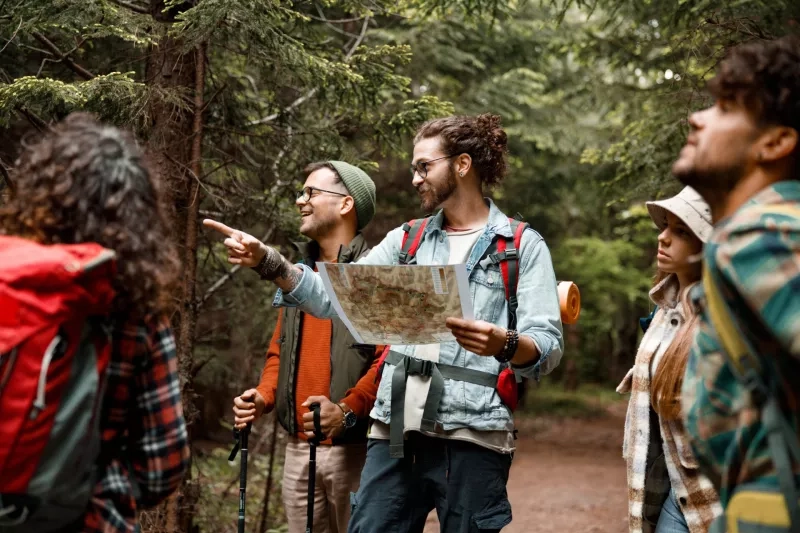
Whether you’re hiking or cycling, it’s important to follow the rules of the road or trail. If you’re cycling, obey traffic signals and signs, use hand signals to indicate your turns, and ride in the same direction as traffic. Research ahead of time if there are specific rules you’ll need to obey in the country or province you’ll be visiting. Stay on designated bike paths or trails whenever possible.
If you’re hiking, stay on marked trails and avoid cutting switchbacks or creating new trails. Be mindful of other hikers and cyclists and yield to them as needed.
If you have wandered off the path, you must retrace your steps, which can be easier if you remember things like a fallen tree or a large boulder. If you are an avid hiker, consider investing in a portable GPD as a backup in case you ever need it. Not only is it a great way to track your progress and hike, but it can also help you get back to the trail if you get lost.
Carry your travel health kit
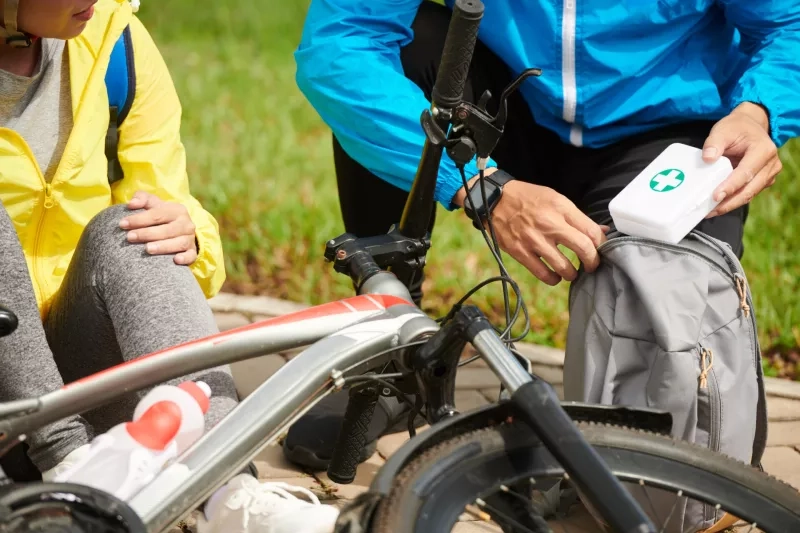
Even with careful planning, accidents can happen. A well-stocked first aid kit can help you treat minor injuries. Make sure you have Band-Aids, Neosporin, and alcohol wipes handy to help treat minor scrapes or cuts. Ibuprofen can help with minor pain from an accident while hiking or cycling, and antihistamines can help with irritation from allergies or bug bites. Pack any prescription medications you need, as well as important IDs such as your health card and travel insurance.
Be aware of your surroundings
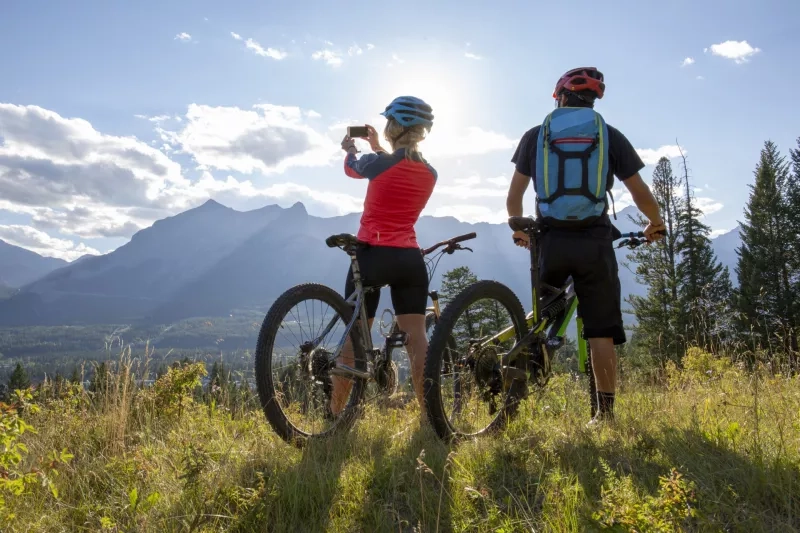
Pay attention to your surroundings and stay alert for any potential hazards. If you’re cycling, watch for cars, pedestrians, and other obstacles on the road or trail. If you’re hiking, watch for loose rocks, slippery surfaces, and uneven terrain.
Caring about the environment and ecosystems you are hiking and cycling in is vital. Follow Leave No Trace Principles by ensuring whatever you bring along comes back home with you. Stay on designated trails, do not take anything as a souvenir, and do not build anything or stack rocks, as this disrupts ecosystems.
Know how to handle wildlife encounters
While wildlife may be majestic to see in their natural habitat, it is wise to know what to do in the case of a close encounter. Be sure to give wildlife space and stay as far away as possible. Bring a pair of binoculars to get a better view from a distance. Keeping large animals such as moose and deer at least 30 metres away is good practice. Predators like wolves, bears and cougars should be kept 100 metres away, and never turn your back on them. Always stay alert and aware of your surroundings.
If your hiking or cycling trip is out of the country, research the wildlife you may encounter ahead of time and how to ensure your safety and theirs.
The best way to prepare for encounters with wildlife is to avoid them. Animals are most active near sunrise and sunset; plan your travels for these times and make sure your group stays close together on the trail. Make lots of noise while hiking to avoid surprises, and have bear spray handy. When walking with your four-legged friends, keep them leashed.
Get your travel insurance
Remember, accidents can happen even with all precautions, so carefully consider your coverage options before your trip. CAA Travel Insurance can provide peace of mind and financial protection while hiking or cycling outside the province or country.
And remember, always have comprehensive travel insurance to protect you in the event of unforeseen emergencies. Our CAA Travel Consultants are happy to help you with your travel insurance and answer any other questions about the best coverage for your budget. They’ll also help CAA Members save up to 20 per cent on their policy.* You can book an appointment online or call 1-800-705-1803. Or you can go online to get a travel insurance quote.
CAA Travel Insurance, an Orion Travel Insurance product, is underwritten by Echelon Insurance. Certain exclusions, limitations and restrictions apply. A Medical Questionnaire is required if you are 60 years of age and older. Quotes are valid for 30 days.
-
Applies to CAA Members in good standing (CAA Membership dues paid in full by Membership expiry date). Up to twenty percent (20%) savings applies to the total premium excluding applicable taxes. Minimum premium applies. Subject to change without notice. Excludes Visitors to Canada Insurance. CAA Everyday, Classic®, and Plus® Members save 10%. CAA Premier® Members save 20% at CAA Stores or by calling 1-800-705-1803. CAA Premier Members save 10% and earn 10% in CAA Dollars® when booking online.
®CAA trademarks are owned by, and use is authorized by, the Canadian Automobile Association.

