

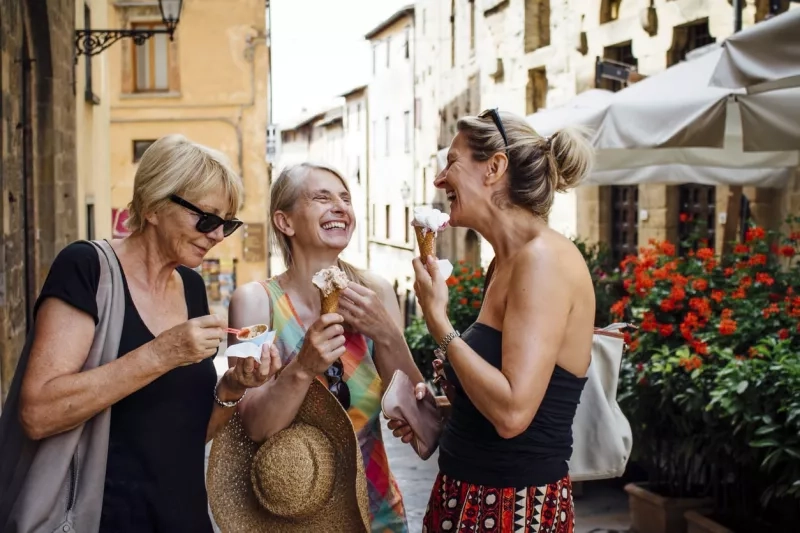
Why hands‑on food experiences belong in your travel plans
3 Minute Read
Any food lover will tell you that food tastes better when you’ve helped to prepare it.
From bustling markets to farmhouse kitchens, hands‑on food experiences invite travellers to slow down, ask questions and connect in ways that go beyond ordering from a menu. These experiences turn meals into moments and help travellers better understand where they are and why food matters there.
“Anything that gets you meeting local people and learning about their food and culture is a terrific way to discover a destination,” says food and travel writer Joanne Sasvari. Author Jessica van Dop DeJesus agrees. “By experiencing cooking classes, going to locally owned restaurants and staying at farms, travellers get to learn more about a destination. And they directly support the local economy.”
Rather than consuming culture from the sidelines, these experiences encourage active participation. Learning how ingredients are grown, prepared and shared often reveals traditions, values and everyday rhythms that shape local life.
Tour the market
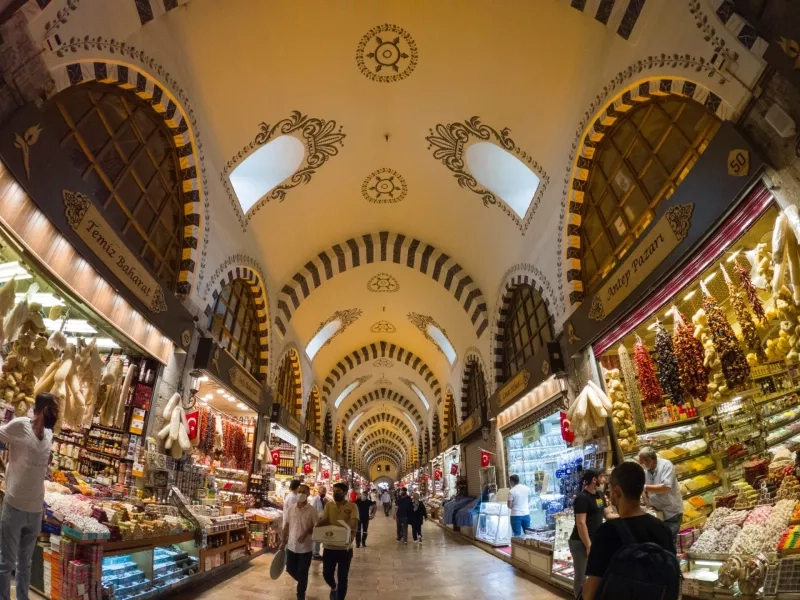
Check with your hotel concierge or a restaurant chef to find a tour. Many food-focused guides take guests through the markets, offering insight into local produce and spices, as well as the people who grow them.
Markets show travellers what people actually eat day to day. Think tacos and fresh tortillas at Mexico City markets, grilled seafood and spice‑rubbed meats sizzling at stalls in Istanbul, or arepas, empanadas and fruit juices sold for lunch in Bogotá. These are the places where you see which flavours are popular, what locals grab between errands and which ingredients anchor everyday meals. Picking up street food or simple market snacks offers an immediate, affordable way to taste how a destination really eats.
Looking for markets to try? Check out the Mercado de San Juan in Mexico City or Granville Island in Vancouver, B.C. We also recommend the spice market in Istanbul and the Plaza de Mercado de Paloquemao in Bogotá, Colombia.
Go back to school
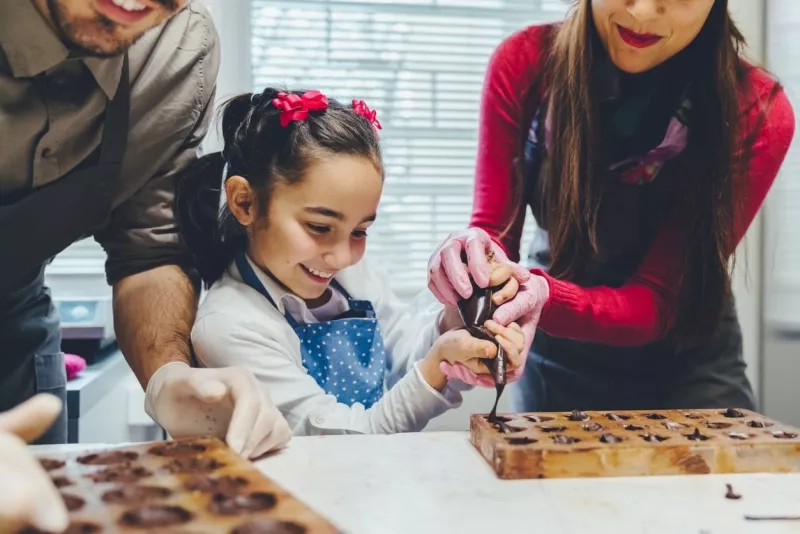
If a dish is closely tied to a destination, learning how to make it can bring that cuisine to life. Cooking classes allow travellers to move beyond tasting food to understanding how it is prepared and why it matters locally.
In places like Bologna, travellers can learn the techniques behind making fresh pasta and gelato, while classes in Jamaica focus on blending spices and cooking jerk chicken over an open flame. In Switzerland, chocolate‑making workshops explain the role of temperature, texture and timing, turning a familiar treat into a hands‑on lesson in craft and tradition.
These experiences often include visits to markets or local suppliers, offering insight into how ingredients are chosen and how recipes are adapted at home. For travellers, cooking classes provide skills they can take with them and a deeper appreciation for the food they encounter throughout their trip.
Stay at a farm
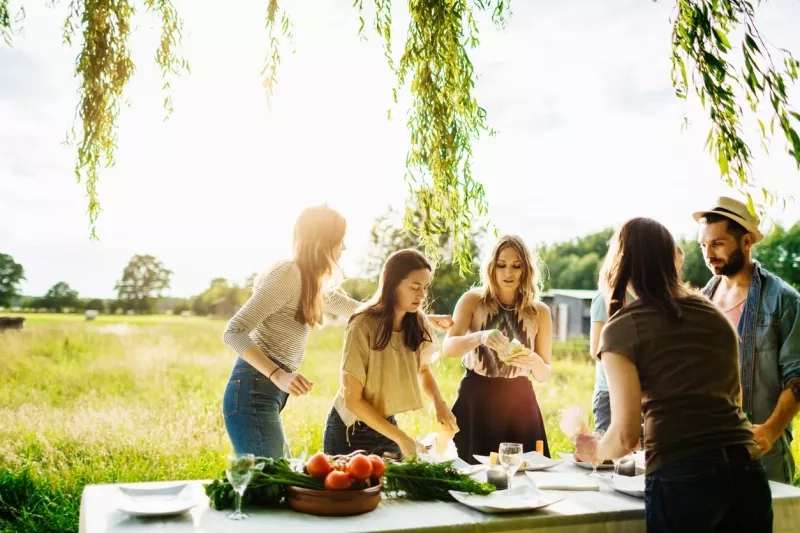
Farm stays take travellers closer to the source of local food while offering a relaxed, often scenic place to stay. Guests might help harvest produce, collect eggs, learn traditional cooking methods, or simply enjoy meals made with ingredients grown on-site.
At farm stays in places like Styria, Austria, visitors can take part in seasonal cooking, hike the surrounding hills, and sit down to hearty meals prepared with local vegetables, meats, and cheeses. In Vieques, Puerto Rico, stays such as Finca Victoria focus on plant‑based cooking, sustainability and small‑batch food production, giving travellers a firsthand look at how climate and culture shape what ends up on the table.
For many travellers, farm stays are fun because they combine learning with downtime. Days might include feeding animals, gathering ingredients for dinner or cooking alongside hosts, followed by relaxed evenings sharing meals and conversation. It is a slower, more personal way to experience a destination and one that offers a clear sense of where food comes from and why it matters.
Start exploring
Speak with a CAA Travel Consultant, who will help you plan your own culinary adventure. Plus, they can help make sure you have the right travel insurance to protect your trip.



