

How to prepare your home and driving habits for a Super El Niño winter
4 Minute Read
Summary
- A strong El Niño is expected to bring more temperature swings and freezing rain risks this winter.
- Prepare your vehicle with winter tires, battery maintenance and a winter emergency kit.
- Protect your home by insulating pipes, clearing gutters and planning for power outages.
For generations, Canadians have known roughly what to expect when the temperature starts to drop. Snowstorms, icy sidewalks and the yearly ritual of digging out hats, boots and winter tires.
But this El Niño winter may have a different personality altogether.
Meteorologists are closely watching a powerful climate pattern developing in the Pacific Ocean. The U.S. National Oceanic and Atmospheric Administration (NOAA) reported a greater than 90 per cent chance of a very strong El Niño developing this fall and winter.
Forecasters say it has the potential to become a Super El Niño.
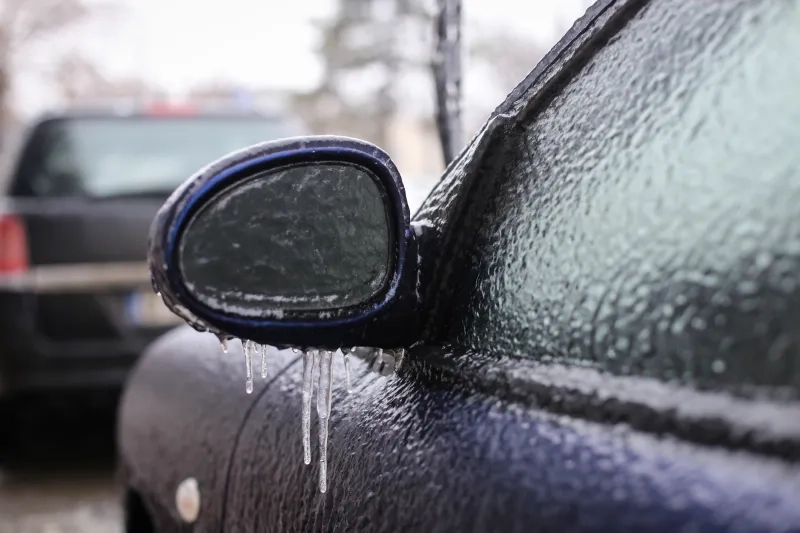
In Canada, that could mean a season defined less by steady cold and more by sudden swings. Think mild afternoons followed by hard freezes, rain turning to ice overnight and forecasts that keep residents guessing.
The good news? A little preparation can go a long way. To understand what this winter could bring, it helps to first understand what El Niño is, why this year's event is attracting attention and what homeowners and drivers can do to prepare.
What is a super El Niño?
Every few years, sea-surface temperatures in parts of the central and eastern tropical Pacific Ocean rise above normal as part of a naturally occurring climate cycle.
When this warming becomes significant and persistent, scientists classify it as El Niño, a climate pattern that can influence weather far beyond the Pacific, including across North America.
Forecasters use the term Super El Niño to describe unusually strong El Niño events that have a greater influence on weather patterns around the world.
How a super El Niño will affect Ontario weather
It may be hard to imagine how warmer ocean water near the equator could influence winter in Ontario. But changes in Pacific Ocean temperatures can influence weather patterns around the world, affecting where storms travel, how much rain or snow falls and how temperatures behave in different regions.
Temperatures could fluctuate more frequently between mild weather and hard freezes. In eastern Ontario and the Ottawa Valley, temperatures may hover near the freezing mark during many winter storms, increasing the likelihood of freezing rain.
While El Niño doesn't determine exactly how the season will unfold, it can help homeowners and drivers prepare for the conditions they are most likely to face this winter.
How you should prepare for winter driving in a super El Niño
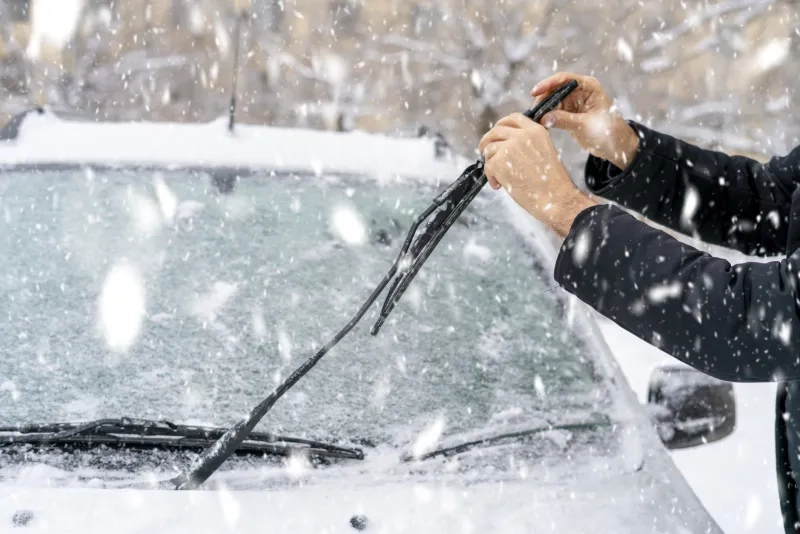
Getting your vehicle ready for winter is one of the simplest ways to stay ahead of changing road conditions.
Winter tires remain one of the most effective ways to improve traction during changing road conditions. Installing them before the first major storm can help ensure you're prepared for whatever the season brings.
Beyond your tires, battery health deserves attention before temperatures begin to drop. Sudden cold snaps place added strain on vehicle batteries, and no-start situations are among the most common winter breakdowns. A quick inspection before temperatures drop can help prevent an unwelcome surprise.
Visibility is another area that's easy to overlook during freezing rain, snow, and other winter weather events. Replacing worn wiper blades and keeping winter-rated washer fluid topped up can help maintain a clear view of the road when conditions deteriorate.
Alongside essentials like a blanket, flashlight and first-aid kit, consider packing winter-specific items such as a compact shovel, ice scraper, jumper cables and traction aids to help keep minor setbacks from becoming major problems.
Driving habits matter just as much as vehicle maintenance. Roads are often most hazardous when temperatures hover around freezing. Giving yourself extra time and leaving more space between vehicles can help when conditions change unexpectedly.
What you need to do to get your home ready for a super El Niño
Preparing a home for winter is always important, but seasons marked by frequent freeze-thaw cycles can create additional challenges.
As temperatures rise and fall, snow and ice can melt and refreeze repeatedly, putting added stress on everything from roofs and gutters to pipes and foundations.
One of the simplest ways to prepare is by cleaning gutters and eavestroughs before the first freeze. Proper drainage helps prevent water from backing up and forming ice dams, which can force moisture under shingles and into the home.
It's also worth checking attic insulation and ventilation. Ice dams often form when warm air escapes into the attic, causing snow on the roof to melt unevenly. Good insulation and ventilation can help maintain a more consistent roof temperature throughout the winter.
Take a proactive approach to outdoor pipes and landscape
A preventative approach also applies to pipes and plumbing. Disconnect and drain outdoor hoses, shut off exterior water lines if applicable, and insulate exposed pipes in unheated areas such as basements, garages and crawl spaces.
The same goes for the area around your home. Branches that hang over roofs, driveways, or power lines can become hazardous when weighed down by heavy ice or snow. Trimming your branches before winter can help reduce the risk of property damage and power outages.
Consider putting together an emergency kit for your home. Flashlights, batteries, bottled water, non-perishable food, blankets and a way to charge mobile devices can make a significant difference during a prolonged winter power outage
How CAA can help you prepare for a Super El Niño
A strong El Niño doesn't determine exactly how the season will unfold, but it can offer an early look at the conditions homeowners and drivers may face in the months ahead.
Whether you're preparing for freezing rain, sudden temperature swings or winter power outages, a little planning now can make a big difference later.
To learn more, explore CAA Safer Homes and download the free guidebook for practical tips on preparing for extreme weather. CAA Members can also count on CAA Roadside Assistance for help with common winter breakdowns, lockouts, and towing needs.


