

How to prepare your pet for extreme weather emergencies
5 Minute Read
Summary
- Extreme weather planning for households should formally include pets, evacuation routes, and care routines.
- Veterinarian Ian Niu identifies lost or escaped animals as the most common pet emergency.
- Recommended preparedness measures include pet emergency kits, medical records, identification, and stress management.
When extreme weather hits, everyday routines can change quickly. Power outages, evacuations, and sudden disruptions can create uncertainty — not only for people but also for the pets who depend on them.
Planning ahead can make a meaningful difference, says Dr. Ian Niu, a veterinarian at VCA Ottawa Vet Hospital. From including pets in household emergency plans to preparing basic supplies, small, practical steps taken in advance can help owners respond more calmly and keep animals safe when conditions change.
Keeping pets part of the plan
The most important way to protect pets during an emergency is to include them in the household emergency plan from the beginning. That planning means choosing evacuation routes that work for animals and setting aside supplies specifically for them, rather than trying to sort those details out under pressure.
Niu says it helps to have a few options in mind, such as family, friends or pet‑friendly accommodations, where pets can safely stay during an emergency.
In some situations, animal welfare organizations or rescue groups may also offer short‑term help, which is why it can be useful for owners to know what support is available in their community before it is needed.
Thinking about how pets behave under stress is also part of the plan. Many animals hide or return to familiar spots when they are frightened, so exit plans should reflect where they are most likely to be found.
Small details matter as well, including pet-alert window decals near entrances that let responders know your pet may be inside and how many pets they need to rescue.
What to include in a pet emergency kit
Once evacuation plans are in place, the focus shifts to what you bring with you, including a pet emergency kit. Those kits do not need to be complicated, Niu says, but they should be simple, accessible, and tailored to the animal in your care.
He recommends keeping the basics such as food, water, basic first‑aid supplies, blankets and identification together in one place, along with medical and vaccination records if owners have to leave home or seek veterinary care elsewhere.
Beyond the basics, what goes into a pet emergency kit will depend on the animal.
“For a dog, you might want, for example, some poop bags,” Niu explains. “Whereas for cats, they’re going to work more with a litter box, some litter material. And then there may be other pets, like birds or rabbits, that have their own unique necessities as well.”
Comfort is also worth considering, particularly during sudden weather events such as thunderstorms, when familiar items can help pets feel more at ease.
Niu explains that to help dogs feel safe during a storm, he often recommends using what he calls a thunder shirt. “They’re like shirts that are really tight on their body, make them feel like they’re being hugged, and they feel more secure.”
Helping pets cope with heat, cold and power outages
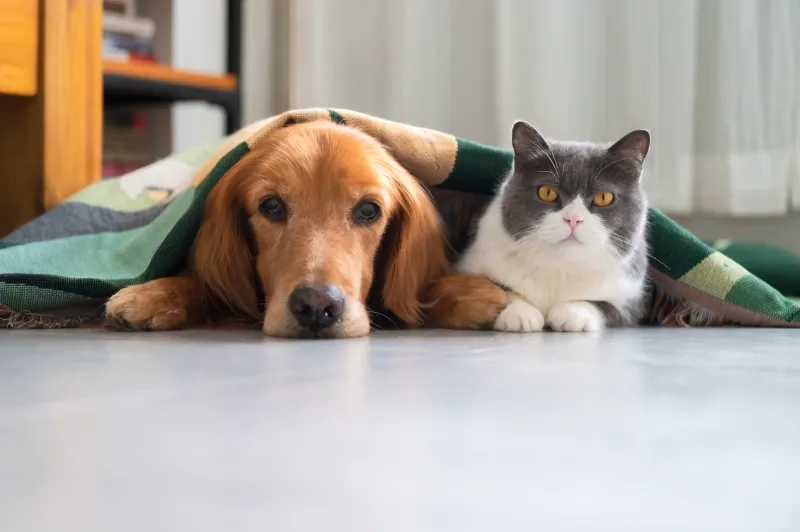
When it comes to extreme heat or cold, pets can face added challenges, particularly during power outages, when homes are harder to keep comfortable and daily routines are disrupted.
In hot weather, limited airflow can make it harder for pets to cool down, which is why maintaining ventilation, offering fresh drinking water and easing activity during the hottest parts of the day can help reduce strain. If air conditioning is not available, he points out that simple, low‑cost steps can still provide relief.
“If you can take, for example, some ice cubes from a freezer and just keep that in a room to help provide not only cool water for your pet so they can drink that and cool themselves down, but also cool down the ambient temperature in that room,” he says.
Heat can also pose risks outdoors, particularly during walks on paved surfaces that absorb and retain heat, which can burn paws.
“In those instances, just making sure they step away from that pavement, maybe step on a little bit of grass and soil, or avoiding walking during those really hot hours of the day,” Niu says.
Colder temperatures bring different concerns, especially for outdoor pets that may not have reliable warmth or shelter. Niu recommends that pets stay indoors, as they are safest there during both extreme heat and cold.
If animals do go outside, even briefly, he advises caution, including checking yards for gaps in fencing and keeping a close eye on pets.
“Just being careful that your backyard doesn’t have holes in fences where your dog can actually run through,” he says. “Try to keep an eye on your pet when they’re outside, so they’re not escaping or getting into trouble, eating something outside they shouldn’t.”
The most common emergency in extreme weather: lost pets
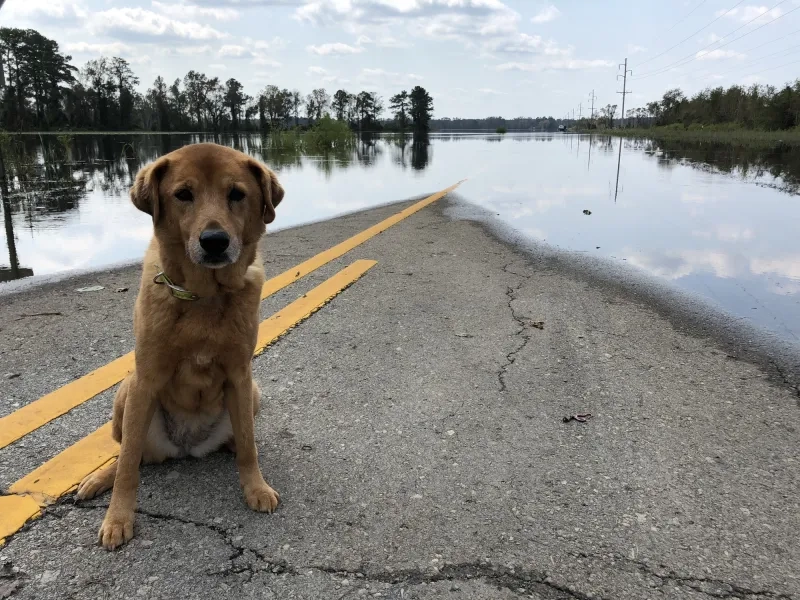
Niu notes that the most common emergency he sees during extreme weather is pets getting lost or slipping out of the house.
Being ready for those moments comes down to making it easier for pets to find their way home. Having recent photos saved, keeping a favourite item with a familiar scent nearby, and ensuring identification is up to date can all help if a pet goes missing.
Up‑to‑date ID tags and microchipping can also speed up reunions if a lost pet is found and brought to a veterinary clinic or humane society.
Staying aware can make a difference
Awareness is the most important part of emergency preparedness, Niu says, whether that means keeping an eye on local weather, revisiting plans and kits as routines change, or knowing when to seek professional advice.
That kind of preparation is not limited to plans and supplies, he adds, but can also include thinking ahead about how unexpected veterinary care would be handled if a pet were injured or became ill during an emergency.
CAA has partnered with Pets Plus Us to offer Pet Insurance that can help in covering unexpected vet bills if your pet gets sick or injured, and in providing financial support when you need it most. Members can save 13.5 per cent on pet insurance plans*. Call 1-833-323-2456 or get a quote online to get started.
*Members receive a discount of 13.5% off. Non-members receive a discount of 9% off.
All pet insurance plans have limitations and exclusions. Specific products, features, rates, and discounts may vary by province and territory, eligibility, and are subject to change. Medical Conditions that are noted, symptomatic or diagnosed prior to enrollment, or during a waiting period are pre-existing to Coverage and not eligible for reimbursement. Waiting periods, annual deductible, co-insurance, benefit limits and exclusions may apply. This advertisement is an outline only; policy terms and conditions 'User Guide' will prevail. For all terms and conditions visit: https://www.petsplusus.com/service-claims/brochures-guides
Pets Plus Us Pet Insurance policies are underwritten by Northbridge Insurance, distributed by PTZ Insurance Services Ltd. & Société d'Assurances Collectives (Sodaco) Inc. in Quebec.Sodaco is registered with Autorité des marches financiers as a Damage insurance broker firm, in the following disciplines: Insurance Damage (Broker) and Personal Insurance (Reg#603622) https://lautorite.qc.ca/en/general-public/registers/register-of-firms-and-individuals-authorized-to-practice Pets Plus Us Pet Insurance is available in all provinces and territories. Pets Plus Us®, Pets Plus Us & Design and related words and logos are trademarks and the property of PTZ Insurance Services Ltd.
® CAA trademarks are owned by, and use is authorized by, the Canadian Automobile Association.



