

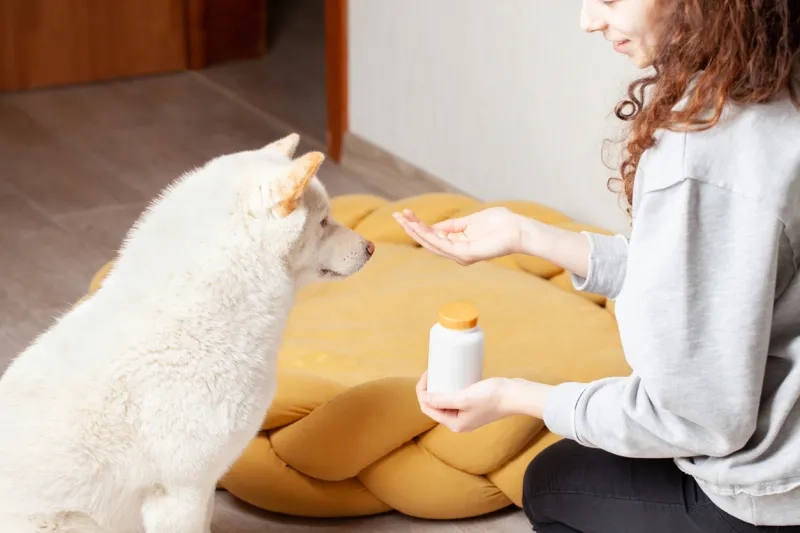
How to get your pets to take their medicine without the struggle
4 Minute Read
Summary
- Getting pets to take medication can be a challenge, whether in pill or liquid form.
- Methods include pill pockets, bait-and-switch treats, pill guns, and flavoured liquid prescriptions.
- Staying calm, using positive reinforcement, and consulting your veterinarian can make medicating easier.
As all pet lovers know, the absolute worst chore — worse than poop scooping, and worse than litterbox duty — is trying to get your pet to take a pill. There’s the cat who pretends to digest it and then spits it all the way across the room, and the dog who stares at the food he normally gobbles because, like the princess and the pea, he knows there’s a pill buried in there somewhere.
In short, getting animals to take medication can be a challenge. Giving them liquid meds isn’t much easier. To ease the pain, here are a few strategies for beleaguered pet owners.
Treat methods
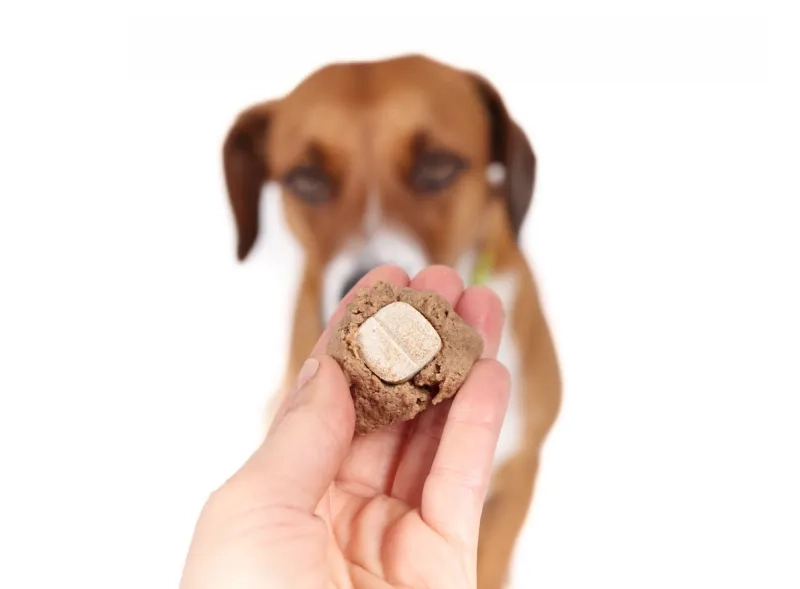
The Pill Pocket method — using a hollow, semi‑moist treat to bury a pill in — is always worth a try because some ravenous pets will actually go for it. If they do, this is by far the easiest way to get the pill into their little bodies. There are variations on this method, including the bait‑and‑switch approach, whereby you give your pet a treat, say, for doing a trick, then offer another with the pill hidden inside, followed by a third treat without medication to reward good behaviour.
Another option is the “forbidden treat” method, in which you offer food from your dinner plate, presuming you’ve finished with it, with the pill concealed among the scraps. If you’re trying this method, it helps to use a strong-smelling food, such as salmon or a pungent cheese, so your pet doesn’t sniff out the medication. Along similar lines is hiding the pill in a food scrap that “accidentally” hits the floor while you’re eating dinner.
If you decide to crush a pill and mix it into your pet’s food, check with your vet first, as some medications lose their effectiveness if administered this way.
Pill dispenser
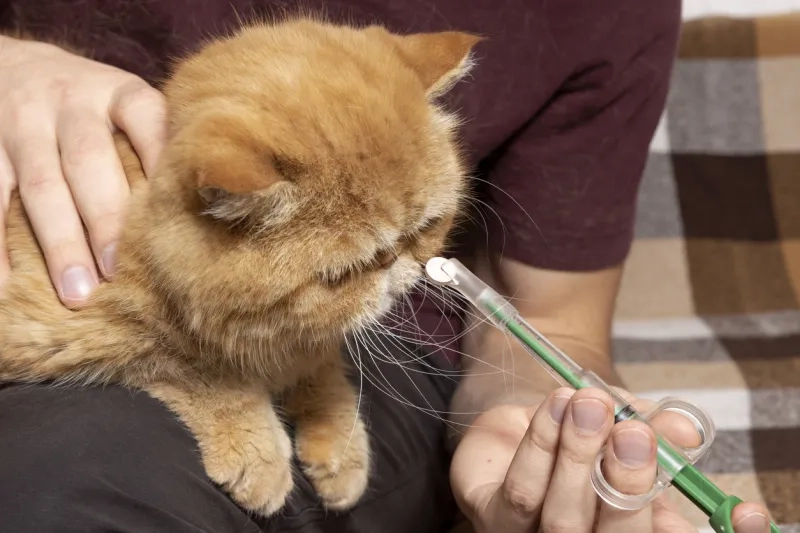
Lauded as an effective method, the pill gun is a plastic dispenser that places a pill at the back of your pet’s mouth. The idea is to load the pill into the end of the dispenser, gently open your pet’s mouth and release it. Because pills can sometimes get caught in the esophagus, veterinary professionals often recommend following the pill‑gun method with a small amount of water delivered by syringe or a favourite treat to ensure the pill goes all the way down.
Pets Plus Us suggests keeping your pet calm by speaking in a soothing tone and having treats ready afterward, because “positive reinforcement works wonders.”
The “by hand” method is similar, except you place the pill at the back of your pet’s throat using your fingers. This approach can be used if you don’t have a pill gun, but it can lead to injury for either the pet or the owner if the animal reacts intensely. The Ontario SPCA recommends lubricating the pill with a small amount of oil or butter to help ease it down. It also notes that gently tilting a pet’s head upward can encourage the lower jaw to open naturally, a technique that should be avoided when administering liquid medication, as pets can choke if their heads are tipped back.
After administering a pill, gently rubbing or blowing on your pet’s nose can stimulate swallowing, increasing the medication's chance of staying down. Following up with a syringe of water can also help by encouraging swallowing.
Explore options with your vet
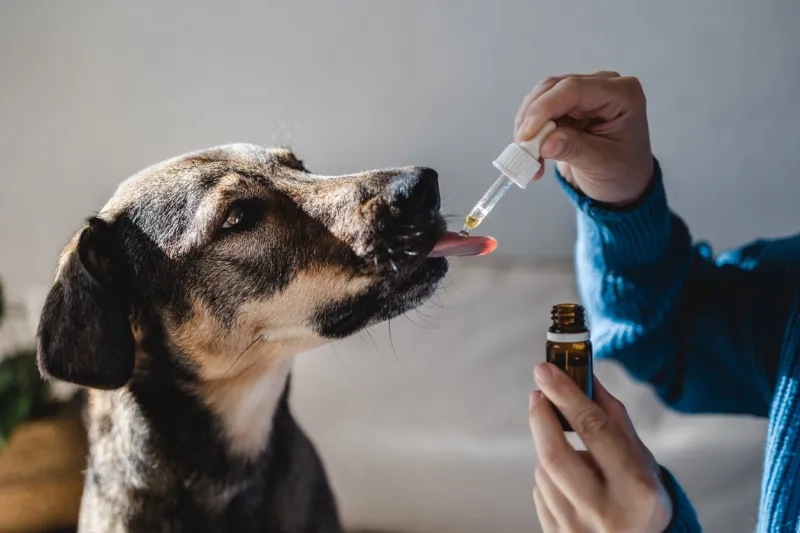
Sometimes, a pet is easier to medicate with liquid than with pills. If that’s the case, always ask your veterinarian whether a liquid option is available for the prescribed medication. In some cases, you may be able to obtain a prescription from a compounding pharmacy that adds flavours such as chicken or liver to make the medicine more appealing.
Good veterinarians and veterinary technicians pill animals daily, so they often have effective strategies to share. You can even ask them to give your pet the first dose so you can observe their technique and try to replicate it at home. If your pet is particularly difficult to medicate, you could also ask about long‑acting medications that reduce the frequency of dosing. In some situations, you may need to return to the vet for help with administering medication, which can be inconvenient.
Other things to consider
Washing your hands after placing medication in a pill pocket or treat can make a noticeable difference, especially for dogs with an exceptional sense of smell.
Distractions such as going for a walk, performing tricks, or the excitement of dropped food can also help catch a pet off guard and make medication time less stressful.
Try not to be too predictable, as pets quickly learn patterns, especially if the only treats they receive appear around medicine time.
Consider pet insurance
When a pet falls ill or an unexpected accident occurs, the bill can be just as surprising as the injury or illness.
As a CAA Member, you can save 13.5 per cent on pet insurance plans with Pets Plus Us*, which can help offset some surprise veterinary expenses.
* Members receive a discount of 13.5% off. Non-members receive a discount of 9% off.
All pet insurance plans have limitations and exclusions. Specific products, features, rates, and discounts may vary by province and territory, eligibility, and are subject to change. Medical Conditions that are noted, symptomatic or diagnosed prior to enrollment, or during a waiting period are pre-existing to Coverage and not eligible for reimbursement. Waiting periods, annual deductible, co-insurance, benefit limits and exclusions may apply. This advertisement is an outline only; policy terms and conditions 'User Guide' will prevail. For all terms and conditions visit: https://www.petsplusus.com/service-claims/brochures-guides
Pets Plus Us Pet Insurance policies are underwritten by Northbridge Insurance, distributed by PTZ Insurance Services Ltd. & Société d'Assurances Collectives (Sodaco) Inc. in Quebec.Sodaco is registered with Autorité des marches financiers as a Damage insurance broker firm, in the following disciplines: Insurance Damage (Broker) and Personal Insurance (Reg#603622) https://lautorite.qc.ca/en/general-public/registers/register-of-firms-and-individuals-authorized-to-practice Pets Plus Us Pet Insurance is available in all provinces and territories. Pets Plus Us®, Pets Plus Us & Design and related words and logos are trademarks and the property of PTZ Insurance Services Ltd.
® CAA trademarks are owned by, and use is authorized by, the Canadian Automobile Association.



