

How to stay warm and safe at home during a winter power outage
4 Minute Read
Summary
- Preparing for winter power outages helps maintain warmth and safety when electricity is lost.
- Emergency kits, weatherproofing and safe heat sources reduce household disruption during severe cold.
- Knowing how to manage indoor heat, ventilation and carbon monoxide prevention keeps families safe.
A winter power outage can turn a comfortable home into a cold and unsafe environment within hours. Ice storms, blizzards and extreme cold can leave entire neighbourhoods without electricity, and restoration efforts often take longer when roads are hazardous.
When temperatures drop, staying warm becomes a matter of preparation, quick action and knowing when it’s time to seek shelter elsewhere.
Why winter power outages can be dangerous
According to the Government of Canada, major winter storms can last for days, making travel difficult and increasing the risk of prolonged power outages. Without heat, indoor temperatures can fall quickly, particularly in older homes or poorly insulated buildings.
Beyond discomfort, extended exposure to the cold can increase the risk of hypothermia, frostbite and other cold-related injuries.
Prepare before the power goes out
The best time to plan for a power outage is before a storm arrives.
Start with an emergency kit that includes flashlights with extra batteries, a battery‑powered or hand‑crank radio, bottled water, non‑perishable food, warm blankets or sleeping bags, a first‑aid kit, essential medications, and reliable phone chargers or backup power banks to help you stay safe and connected during a power outage.
Extend your smartphone battery life during blackouts by enabling Low Power Mode, dimming screen brightness, turning off Bluetooth, and closing background apps. Keep portable battery banks charged and ensure your favourite weather app or WeatherCAN (the official mobile application from Environment and Climate Change Canada) is accessible and ready to send notifications.
It’s also important to have a household emergency plan that considers the needs of children, older adults, pets and anyone with medical conditions.
Winterizing your home can help retain heat during a power outage - consider adding insulation to walls and attics, sealing drafts around doors and windows, and installing storm windows or insulated window coverings. Also, keep shovels, salt, and other snow‑removal equipment accessible so you can move safely around your property during severe weather.
If you have one, ensure your backup heat source, such as a fireplace or wood stove, is in good working order before winter begins.
Stay informed by monitoring local forecasts and alerts through sources such as the WeatherCAN app, local radio stations and municipal emergency notifications.
Create a warm room to conserve heat
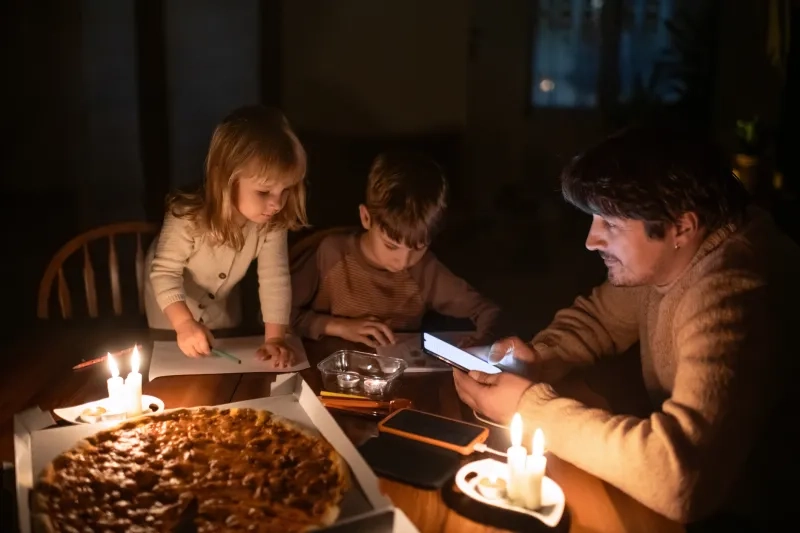
Once the power goes out, your priority is keeping as much heat indoors as possible.
Close blinds, curtains and drapes to reduce heat loss through windows. This is particularly important for older windows, which can let in significant amounts of cold air.
Choose one room where everyone can gather. Concentrating people in a smaller space helps retain body heat and warmth. If possible, select a room on an upper floor, since warm air rises.
Additional ways to keep heat in include rolling a towel along the bottom of the door to block drafts, closing off unused rooms to keep warm air contained, covering drafty windows with blankets or plastic sheeting and, if power returns intermittently, running ceiling fans clockwise to push warm air downward and make the space more comfortable.
These measures can make a significant difference during an extended outage.
Protect your family from carbon monoxide
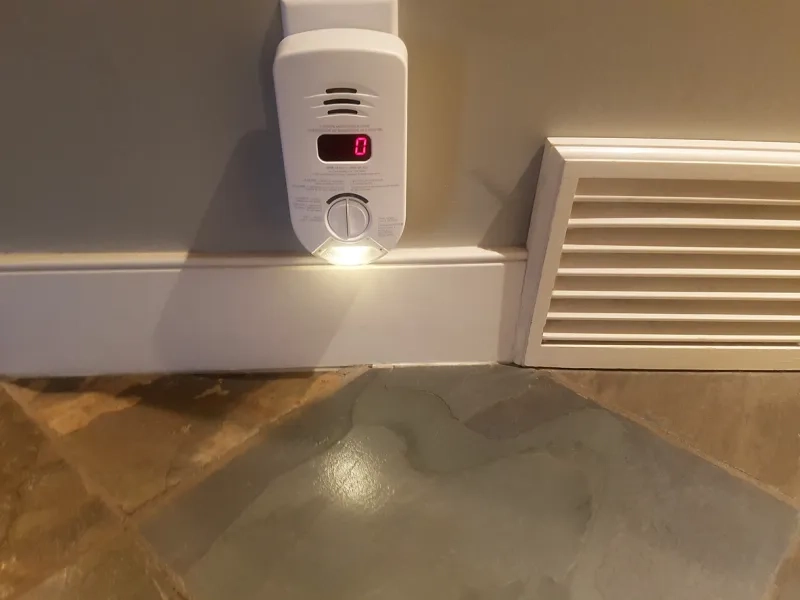
Carbon monoxide poisoning becomes a serious risk during power outages, particularly when people turn to alternative heating sources.
Install carbon monoxide alarms with battery backup outside sleeping areas and test them regularly.
Never use portable generators indoors, operate barbecues inside a home or garage, or keep camping stoves out of enclosed spaces, as these fuel-burning devices can produce dangerous levels of carbon monoxide.
Always operate generators outdoors, at least six metres from the home, and keep them well away from doors, windows, and air intakes.
Proper ventilation is essential whenever fuel-burning equipment is in use.
Dress in layers to stay warm indoors
Ottawa Public Health notes that Ottawa is one of the coldest winter capitals in the world, and indoor temperatures can drop quickly during a power outage. Dressing appropriately can help your body retain heat and reduce the risk of cold-related injuries.
Wear multiple layers rather than a single heavy garment – you’ll want to start with a moisture‑wicking base layer made of wool or synthetic fabric. Then add an insulating middle layer, such as fleece or wool, topped with a protective outer layer designed to block drafts.
Don't overlook accessories. Hats, mittens, warm socks and neck warmers can significantly reduce heat loss.
If clothing becomes damp, change into dry garments as soon as possible. Wet fabric draws heat away from the body, increasing the risk of cold-related injuries.
Know where to go if your home becomes too cold
Sometimes remaining at home is no longer the safest option.
If indoor temperatures drop to unsafe levels, consider relocating to a warming centre, community facility or the home of a friend or family member with heat and power.
Many municipalities provide warming centres or temporary emergency locations during periods of extreme cold. Check local resources before a storm occurs so you know where to go if needed.
If travel becomes necessary, monitor weather conditions closely and use extra caution on winter roads.
Be prepared, stay informed
A winter power outage can be stressful, but preparation can make a significant difference. By winterizing your home, assembling an emergency kit, creating a warm living space and understanding the risks of alternative heating methods, you can help keep your household safe until power is restored.
Stay connected during winter storms
CAA Members can save $25 or more per month on exclusive Rogers 5G+ mobile plans and receive preferred pricing on select smartphones, helping them stay connected during severe weather. These plans are exclusively available online at Red Wireless, CAA’s exclusive Rogers Authorized Dealer.


