


How Ontario parents can save on back-to-school shopping for kids in kindergarten to Grade 12
5 Minute Read
Summary
- Parents can reduce back-to-school costs by reusing existing supplies and clothing before buying new ones.
- Shopping second-hand, starting early and sticking to a set budget help control expenses.
- Meal planning and combining school runs with errands further lower food and fuel costs.
Back-to-school season has a sneaky way of draining your wallet before the first bell even rings.
Between new wardrobes, footwear, school supplies, snacks, and gas, the costs for the new school year can pile up quickly. Before you know it, you're staring down a bill that could rival a small vacation.
The good news? Planning ahead can go a long way toward keeping those back-to-school costs under control.
Whether you're outfitting a kindergartner for their very first day or stocking up for a teenager heading into Grade 12, there are plenty of smart, practical ways to keep costs in check without skimping on what your kids actually need.
Before you shop, check what you already have
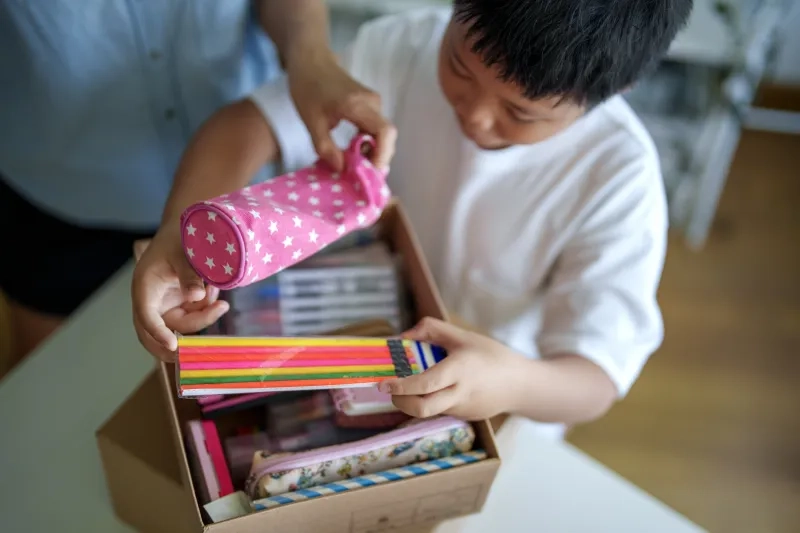
Before buying anything new, take a look around the house. Go through closets, storage bins, and cupboards. You may be surprised by what is left over from last year, from half-used notebooks and extra binders to glue sticks and lunch containers.
Pull out last year's clothes and have your kids try them on. Many basics, including jeans, jackets, and sweaters, may still fit and be in good condition. If they do, that's a few fewer items you'll need to buy.
Footwear is worth a closer look, too. Kids' feet can grow quickly, but shoes do not always wear out before they're outgrown. A quick try-on will tell you whether a new pair is really needed.
And despite what your kids might say, that backpack probably doesn't need to be replaced every year. A good-quality bag can often last two or three years if it's still in good shape.
When it comes time to replace supplies, CAA Members can earn CAA Dollars at retailers such as Staples, Walmart, The Shoe Company and Foot Locker.
Don't be afraid to shop second-hand
Not everything on your back-to-school shopping list needs to be brand new. With children constantly growing and moving on to new interests, many school essentials have plenty of life left in them.
Thrift stores, consignment shops, Facebook Marketplace and community buy-and-sell groups can be great sources for clothing, backpacks, sports equipment and even musical instruments. These items often cost a fraction of what you would pay for new, and many are still in excellent condition.
For growing kids, second-hand shopping can be especially worthwhile. Items such as winter coats, snow pants, backpacks and athletic gear are often outgrown long before they wear out, making them ideal candidates for buying used.
If you're shopping online or at a community sale, start with a short list of essentials and stick to it. Staying focused helps you avoid impulse purchases and ensures you’re spending money on items your child actually needs.
Shop sales early and take advantage of deals
Believe it or not, the back-to-school shopping season begins long before the first day of class. Many stores roll out their promotions in late July, giving families a chance to score deals, enjoy a better selection and shop before popular items sell out.
Shopping early also gives you more time to compare prices, watch for sales and spread purchases out over several weeks rather than making one large shopping trip in August.
As you’re checking items off your shopping list, don’t forget that many retailers also participate in CAA Rewards. Stores such as Simons, Gap, Bluenotes, Old Navy, Ardene and Giant Tiger allow Members to earn CAA Dollars on their purchases.
To save even more, sign up for store newsletters for early alerts, use price-tracking tools and combine in-store deals with your CAA Rewards where possible.
Stick to your budget

Without a plan, school supply shopping can quietly get expensive. A notebook here, a set of markers there, and you've spent $80 before you've even hit the tech aisle.
To keep costs under control, start with your child's classroom supply list, set a budget for each category, and buy only what's required. If an item is needed later, you can always pick it up then, often at a discount.
If your kids are shopping with you, consider setting up a small budget for personal items such as a pencil case, water bottle, or notebook. Giving them some choice helps build money-management skills while keeping spending within limits.
Sometimes the easiest way to stick to your list is to leave your kids at home, as you’ll likely get through your list faster and avoid a few impulse purchases along the way.
Plan your grocery and lunch budget before school starts
School lunches are one of those expenses that may not seem like a big deal day-to-day, but they can add up quickly over time.
As September approaches, take some time to think through your lunch routine and grocery budget. A little planning now reduces food waste, helps avoid costly last-minute grocery runs, and makes busy school mornings run more smoothly.
As you build your shopping list, focus on the snacks, lunch items and pantry staples your household uses most often. Not only can buying frequently used items in larger quantities help lower costs, but packing lunches and snacks at home is often more affordable than relying on pre-packaged options.
At the same time, sticking to foods your children actually enjoy can help prevent waste and ensure groceries don't end up back in the lunch bag at the end of the day.
CAA Members can also earn CAA Dollars by purchasing a Sobeys gift card through CAA before heading to the grocery store.
Cut your fuel costs on the daily school run
Multiple trips for drop-offs and pickups can quickly add to your fuel bill, especially when after-school activities, forgotten lunches and last-minute errands are added to the mix.
Whenever possible, combine errands with school runs, carpool with other families, or plan activities to reduce extra trips throughout the week. Small adjustments to your routine can help lower fuel costs over the course of the school year.
CAA Members save three cents per litre at Shell and receive 10 per cent off eligible in-store purchases, offering another opportunity to save on an expense many families make every week.
Keep saving all year long
Did you know your CAA Membership keeps working well beyond September? Explore the full list of CAA Rewards partners. Not a Member yet? Join today to save on everyday purchases throughout the year.



