

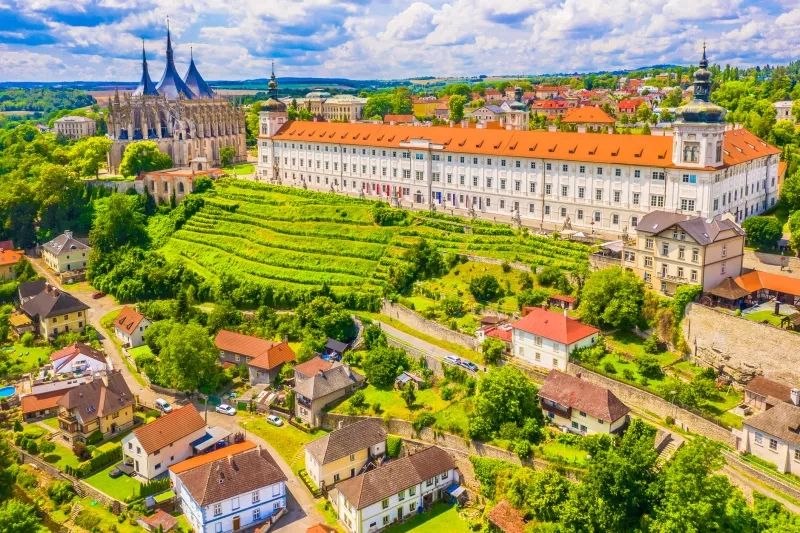
A day trip from Prague to Kutná Hora, the medieval town behind Kingdom Come: Deliverance II
4 Minute Read
Summary
- Kutná Hora has become a major destination for gamers and history buffs after Kingdom Come: Deliverance II.
- Visitors can tour Ossuary chapels, medieval silver mines and Gothic landmarks on a short trip from Prague.
- The town’s rich mining history and architecture offer an authentic view of life in 15th-century Bohemia.
A new wave of tourism has swept the Czech countryside. Travellers, once drawn by beer halls, synagogues and communist relics, now land seeking Romanesque ruins, silver mines and unremarkable country towns. The unlikely catalyst? Kingdom Come: Deliverance II, an award-winning medieval role-playing video game that has captivated gamers and historians alike with its deeply immersive world and painstaking recreation of the Kingdom of Bohemia in 1403.
Unlike other fantasy adventures, Kingdom Come transports players to a world that really exists. Forests, streams and castles are all modelled on real places, largely recreated at near one-to-one scale. For fans, Czechia itself is an open-air extension of the game, with no destination more central to the newfound fascination than Kutná Hora. This former silver-mining bastion once stood as one of Europe’s richest and most influential cities.
Whether you’re a gamer chasing familiar locales or simply a lover of history, Kutná Hora, just an hour by train from Prague, offers one of Czechia’s most rewarding day trips. With macabre ossuaries, sprawling cave systems and aristocratic mints, it is an unmissable jewel amidst the Czech hinterland.
Discovering history through a screen
Created by Czech developer Warhorse Studios, Kingdom Come: Deliverance transports players to the dawn of the 15th century, casting them as Henry of Skalitz, a blacksmith's son turned squire who is thrust into a brutal struggle for the throne of Bohemia. The games are infamous for their uncompromising commitment to immersion and their extraordinary dedication to recreating medieval Bohemia.
Unique in its medium, Kingdom Come models sections of Czechia at an almost one-to-one scale, filling the game world with meticulously researched architecture that reconstructs castles and cities as faithfully as the evidence allows them to have appeared in 1403.
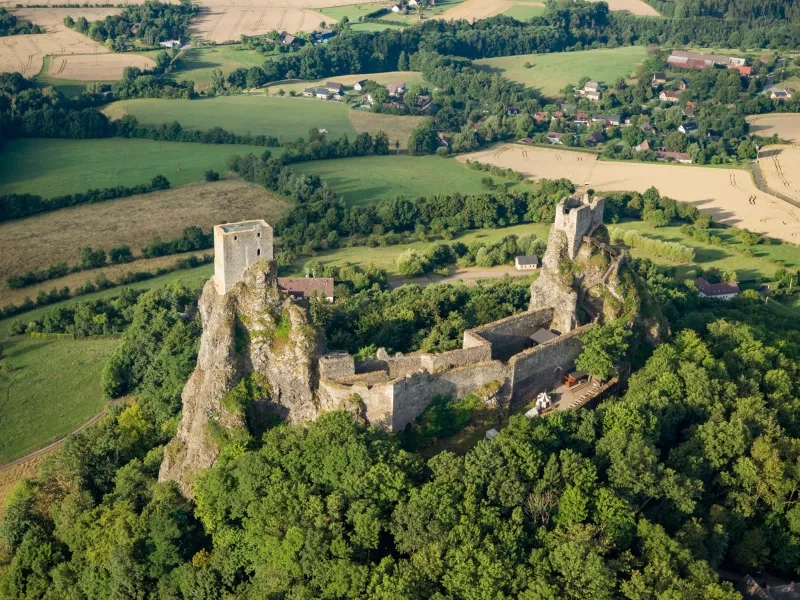
From the gentle hills surrounding Rataje nad Sázavou to the basalt towers of Trosky Castle, a trip to Czechia has become an opportunity to discover a world once only explored through a screen - with nowhere rewarding the pilgrimage more than Kutná Hora, known to players by its German name of Kuttenberg, where one of Kingdom Come’s central locations remains preserved in silver and stone.
Getting to Kutná Hora from Prague
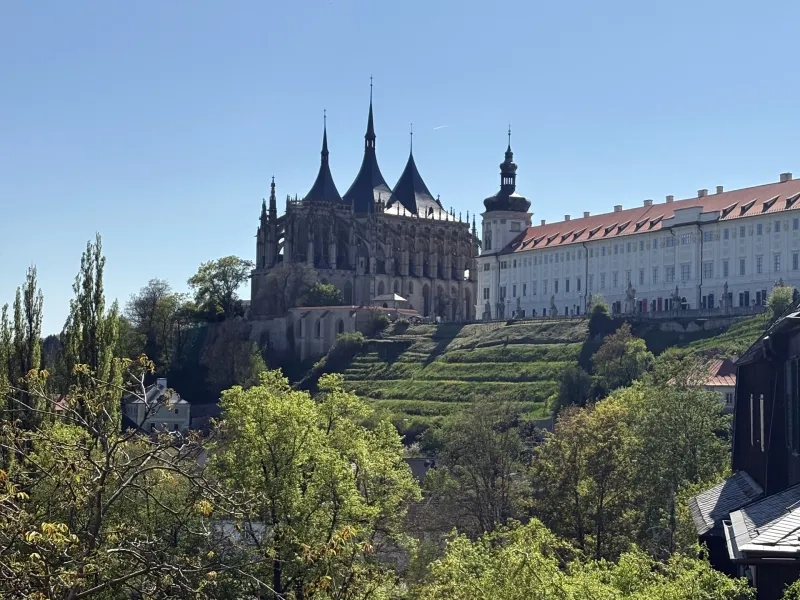
While the journey from Prague to Kutná Hora may have once been made by horseback, today it takes little more than an hour by train. Regular service departs from Prague’s Main Station (Praha hlavní nádraží) several times per day, carrying passengers east to Kutná Hora hlavní nádraží. From there, a connecting local train ferries travellers into the historic quarter at Kutná Hora město station, with an intermediate stop at Kutná Hora-Sedlec for those wishing to begin their visit at the famous Sedlec Ossuary. Tickets can be booked in advance at the official Czech railways website.
Exploring the city of silver
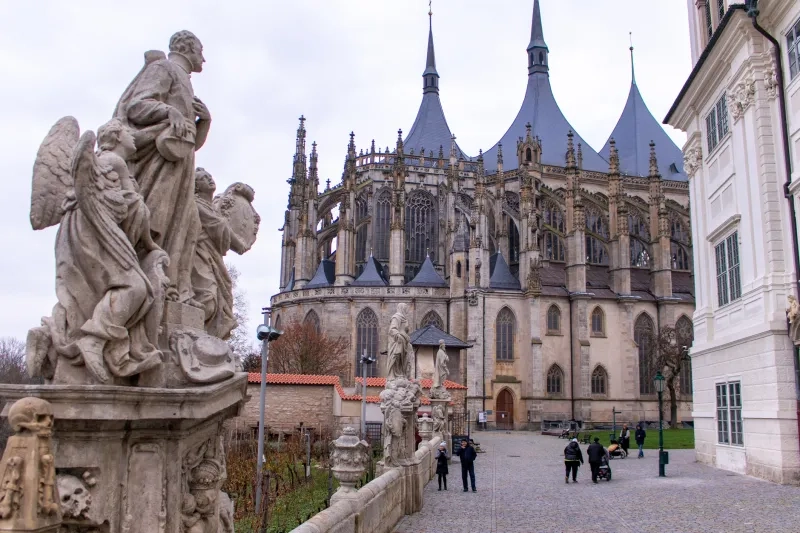
While Henry of Skalitz entered Kuttenberg to the sight of muddy roads, stone walls, and the clang of a blacksmith’s hammer, modern visitors are instead met by a charming cobbled town where medieval and baroque architecture intertwine.
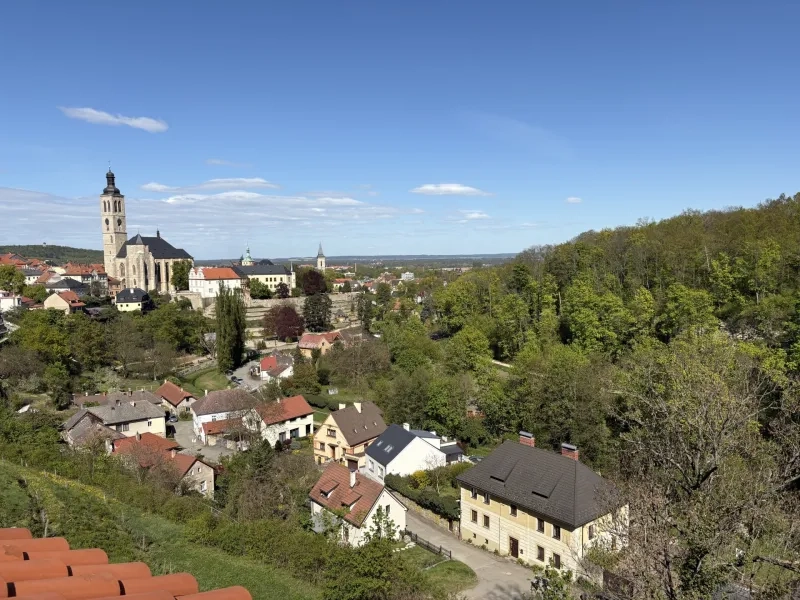
Kutná Hora’s medieval history is defined by the rich silver veins lying beneath its streets. As mining exploded throughout the High Middle Ages, the town grew into one of Europe’s greatest urban centres, rivalling even London in wealth and population. At its 14th-century peak, it is estimated that over a third of Europe’s silver production took place in Kutná Hora.
This history, as well as that of coinage itself, is brought alive at the Italian Court. In this former royal mint, Bohemian silver was transformed into coins that circulated throughout Central Europe and beyond. Exploring its courtyards and chambers is one of the most striking examples of how faithfully Warhorse Studios recreated it. Visitors to the Italian Court museum can even mint their own commemorative coin using traditional techniques.
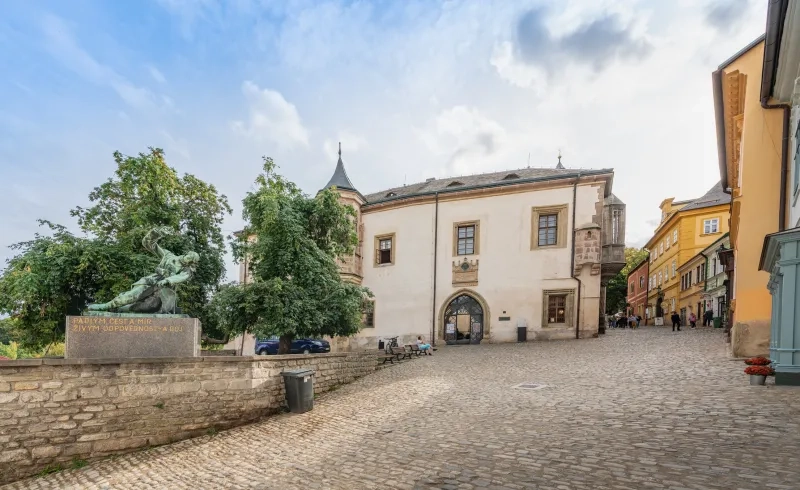
However, the Italian Court only tells half the story. To understand the people whose labour built Kutná Hora, head instead to the Czech Museum of Silver. Start with the exhibits, and then descend into the medieval mines themselves on guided tours offered in English and Czech. Crawling through tunnels that in sections are just one metre high and half as wide offers not only an exciting caving experience but a claustrophobic insight into the harsh and dark conditions endured by the very people who built Bohemia’s wealth.
Faith and death in medieval Bohemia
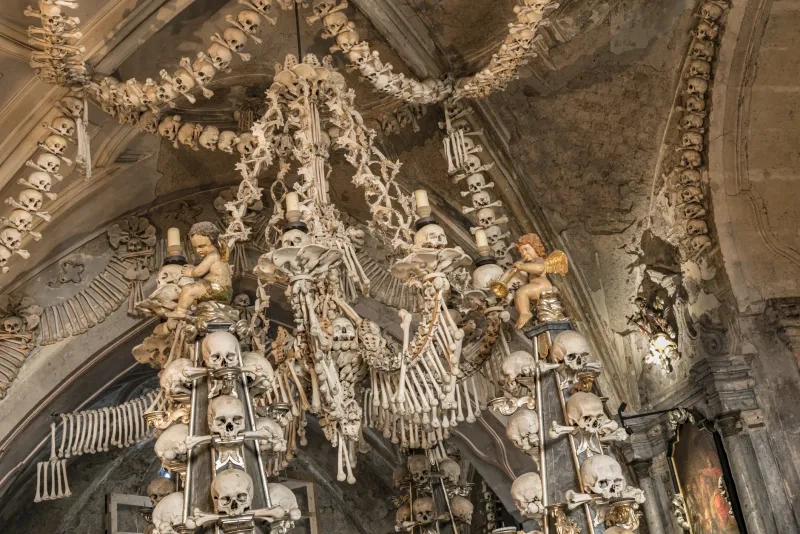
On the eastern edge of Kutná Hora, players may recognize the unassuming Sedlec Ossuary. The small chapel, built in the thirteenth century, contains the remains of more than 40,000 individuals, now arranged into chandeliers, pyramids, wall fixtures and, alarmingly, the Schwarzenberg family coat of arms. According to legend, the first ornaments were assembled by a blind monk who miraculously regained his vision upon completing the project.
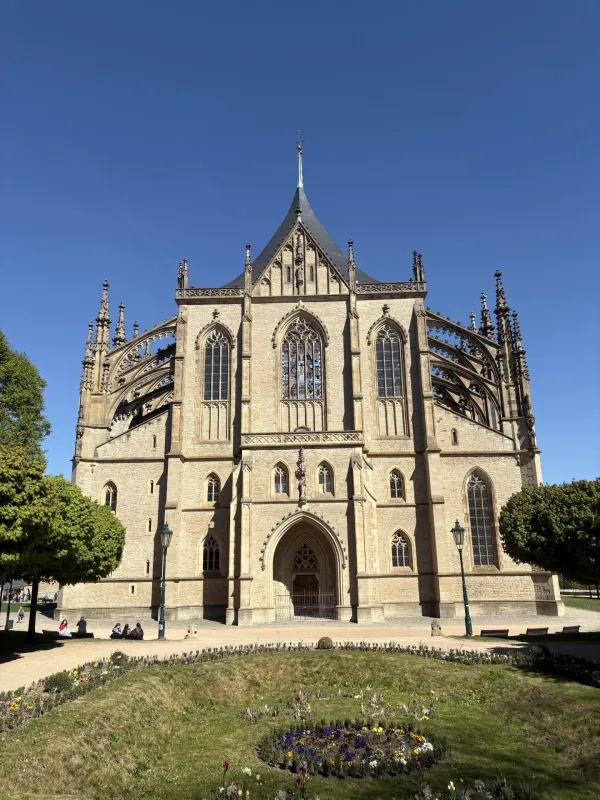
Across town stands the magnificent Saint Barbara’s Cathedral, one of Central Europe’s finest examples of Gothic architecture. Construction began in 1388 in honour of Saint Barbara, patron saint of miners and protector of the town. Gamers will remember it as a construction site, yet it remains one of the city's most prominent landmarks, alongside the nearby Church of Saint James and the Gothic Stone Fountain - both of which are still standing.
From pixels to travel plans
Kutná Hora’s days of horse and lance may lie behind it, but the avenues for exploring this history have never been greater. Thanks to one of the most ambitious works of historical recreation ever produced, a new generation has discovered the jewel of Central Bohemia. Whether walking in Henry of Skalitz's spurs or earnestly discovering one of Europe’s best-preserved medieval cities, it has never been more enticing to seek the land where silver flows.
To learn more and begin planning your own chivalric journey to the heart of medieval Bohemia, visit the CAA Travel hub for trip planning, booking, and expert support, or book an appointment with a CAA Travel Consultant.



